
You’ve invested in a beautiful composite deck, offering the allure of natural wood without the demanding maintenance. It’s a fantastic outdoor living space, perfect for entertaining, relaxing, and enjoying the great outdoors. However, even these low-maintenance wonders aren’t entirely immune to the elements. Over time, dirt, grime, mold, mildew, and algae can accumulate, dulling its appearance and making it slippery and unsafe. Your immediate thought might be to reach for the nearest pressure washer – a powerful tool that, when used incorrectly, can cause more harm than good to your composite decking. This guide is designed to empower you with the knowledge and techniques to safely and effectively pressure wash your composite deck, restoring its pristine condition without compromising its integrity.
Before you even think about turning on a pressure washer, it’s crucial to understand the material you’re working with. Composite decking isn’t just one thing; it’s a diverse category, and recognizing your specific type will influence your cleaning approach.
The Make-up of Composite
Composite decking is typically a blend of wood fibers (sawdust, wood flour, wood chips) and recycled plastic materials (polyethylene, polypropylene, PVC). These components are combined with binding agents, pigments, and UV inhibitors to create a durable, weather-resistant product. The exact ratio and type of these materials vary significantly between manufacturers and product lines.

- Delivers 2500 max PSI and 1.76 max GPM (at lowest pressure), and 2000 rated PSI and 1.2 rated GPM of water flow; Pro-style steel extendable 17.5” wand with quick-connect nozzles (0°, 15°, 25°, turbo and soap applicator)
- Super compact and lightweight at 16.5” tall and 19 pounds for convenient storage and portability; Four quick-lock wheels with 360° steering design and low center of gravity engineered for anti-tipping design
- Easy-coil nylon braided 25' hose; 20 ounce onboard soap tank to add detergents/chemicals for heavy duty cleaning power on decks, driveways, garage floors, stairs, fencing, patio furniture and vehicles
- Pump automatically stops when trigger is not engaged to conserve energy and promote pump and motor life
- Backed by a 3-Year limited service, labor and parts coverage with nationwide customer service and support network


- Safe, Powerful Formula: Designed to safely clean composite decks, our cleaner is non-hazardous with only a minimal amount of bleach. It cleans without discoloring or damaging your deck, ensuring lasting results without the harsh chemicals.
- Deep Cleans Stubborn Stains on Composite Decks: Spray & Clean Composite Deck Cleaner effectively removes black stains from moss, mold, algae and lichen from the pores of composite decking, including Trex, TimberTech, Fiberon, and Calibamboo. Unlike typical cleaners, our formula penetrates deep, leaving your deck spotless.
- No Scrubbing Required: Our specialized formula includes a small percentage (5%) chlorine bleach combined with surfactant chemicals that transport it into the deck's pores to break down deep-set stains without any scrubbing or harsh abrasion.
- Effective for All Composite Decking Brands: Whether you have Trex, TimberTech, Fiberon, or other composite decking, Spray & Clean works wonders on any brand, removing stubborn black stains with minimal effort.
- Easy Application, No Expensive Gear: Works with a garden hose, pump sprayer, or simple high-pressure nozzle; no special equipment required. Users achieve pro-level cleaning at home without renting or buying pressure washers or specialty machines.
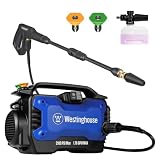
- BIG POWER. SMALL DESIGN: Delivers an impressive 2100 max PSI and 1.76 max GPM at lowest pressure, with 1800 rated PSI and 1.2 rated GPM so you're able to handle a range of tough jobs
- GRAB-AND-GO CLEANING: The ultra compact 10 pound electric pressure washer is easy to use, carry and store for everyday outdoor cleanups, wherever and whenever you find them
- ORGANIZED FOR EASY SETUP AND STORAGE: Built-in holders keep the spray gun, lance and standard spray nozzles together between jobs so it's always ready to grab and go
- SUPER SOAPER: The adjustable foam cannon lets you apply thick, clinging foam to loosen grease, grime and stains from cars, windows, decks and more
- GO GET THE GRIME: Enjoy extended reach with a 35 foot GFCI power cord and 20 foot high-pressure hose so you can walk and wash all around vehicles and outdoor spaces

- PROFESSIONAL SURFACE CLEANER: 14" Pressure Washer Surface Cleaner gives a commercial grade cleaning area of 14 inches wide. Hover action makes surface clean faster and effective than nozzles alone. Ideal for cleaning stubborn stains on large flat surfaces such as patios, driveways, decks, sidewalks. And also could be used on vertical surfaces like brick walls, stucco and other siding.
- WHAT YOU WILL GET: Our pressure washer surface cleaner attachment included- 1 x 14 inch stainless steel surface cleaner, 2 x 15" extension wands, 2 x replacement nozzles, 1 x thread seal tape, 4 x O-rings, 1 x nozzle cleaner. Working pressure is up to 4000 PSI. Required min pressure 2000 PSI, min flow rate 1.8 GPM, max flow rate 3.7 GPM.
- HIGH COMPATIBILITY: Heavy duty bearing stainless steel construction can be used for a long time. 1/4" quick plug. Easy to connect with included pressure washer lance or other 1/4" quick connect fitting. A filter is built into the entrance to prevent the blockage of impurities. The surface cleaner can be used with most gasoline pressure washers.
- HIGH EFFICIENCY: Surface cleaners for gas and electric pressure cleaners can reduce cleaning time by up to 60% compared to conventional nozzles. 14 inch surface cleaner has dual pressure water jets that spin rapidly breaking up dirt and grime without streaking or striping surfaces. And it cleans large surfaces up to 5x faster than a standard nozzle.
- TIPS: NOT FIT GARDEN HOSE OR WATER HOSE. The wand has 1/4" thread quick connect plug, if it is not suitable for the connector of your PRESSURE WASHER GUN, please purchase the adapter coupler connection separately.

- Achieve Professional-Level Cleaning Results with This 16.5” Surface Cleaner, with Up To 4400 PSI of Pressure for Easy Cleaning of Flat Surfaces Like Decks, Patios, Driveways, Walls and More
- Seamlessly Switch Between Attachments with 1/4" Quick-Connect Fitting, Compatible with Most Gas and Electric Pressure Washers
- The Simple and Easy to Use Design Means Anyone From Professionals to Homeowners Can Pick Up This Pressure Washing Attachment and Tackle a Variety of Difficult Cleaning Tasks
- Get Powerful Cleaning with This Durable Stainless Steel 16.5 inch Surface Cleaner - Designed for Easy Storage and Use on All Kinds of Surfaces
- For Over a Century, Westinghouse Has Been Delivering Top-Quality Products to Meet the Needs of Customers Across America. This Product is Backed by a 180-Day Limited Warranty

- IMPORTANT FITMENT NOTE – Equipped with a 1/4" quick-connect plug, this attachment fits most 2000–4000 PSI pressure washers. It connects to your pressure washer gun/wand only — garden hoses will NOT work. Machines with 3/8" outlets need an adapter (not included). Not sure? Check your pressure washer's specs before ordering.
- [PROFESSIONAL-GRADE EFFICIENCY - 5X FASTER] Ditch the standard spray nozzle and save 80% of your time! Featuring a dual high-pressure rotating nozzle design, the TOR 14" surface cleaner provides a streak-free, commercial-grade cleaning path. It’s 5 times faster than a regular wand, making it the ultimate tool for large flat surfaces like driveways, patios, sidewalks, and decks without leaving "zebra stripes."
- [HEAVY-DUTY STAINLESS STEEL - BUILT TO LAST] Unlike cheap plastic or thin aluminum competitors, the TOR surface cleaner is constructed from premium rust-proof stainless steel with heavy-duty bearings. It is engineered to withstand up to 4000 PSI, ensuring a long service life even under high-intensity use. Invest in a tool that won't crack, leak, or peel over time—this is the last surface cleaner you’ll ever need to buy.
- [EFFORTLESS 360° GLIDING - SAVE YOUR BACK] Equipped with 4 upgraded universal caster wheels, our power washer attachment glides smoothly across any flat surface. No more exhausting lifting or uneven cleaning. The wheels maintain a fixed nozzle height for consistent results while the splash-free skirt keeps you dry. Clean your entire driveway with just a light push—ideal for homeowners who value comfort and efficiency.
- [CLOG-FREE DESIGN & UNIVERSAL COMPATIBILITY] Experience uninterrupted cleaning with our integrated water inlet mesh filter, which prevents impurities from clogging the nozzles—a common issue in other brands. Featuring a standard 1/4" quick-connect plug, it’s compatible with most gas and electric pressure washers (2000-4000 PSI). Perfect for Ryobi, Simpson, Greenworks, Sun Joe, and more.

- COMMERCIAL STRENGTH ADVANCED FORMULA: Penetrates and removes tough dirt, oil, grease, bird droppings, tree sap, and more
- WIDE SURFACE COMPATIBILITY: Ideal for wood, vinyl, and aluminum siding; roofing shingles, gutters, stucco, brick, masonry, concrete, decks, walkways, pool areas, patio furniture, RVs, boats, engines, equipment, and more
- NO SCRUBBING REQUIRED: Apply with a pressure washer, allow product to remain on the surface for 3–5 minutes to penetrate, then rinse clean
- EFFICIENT COVERAGE & DILUTION: One gallon makes up to 20 gallons of solution and cleans up to 5,800 square feet for large residential or commercial jobs
- BLEACH FREE FORMULA: Fast-acting, biodegrabable formula for easy cleaning around the home and building exteriors

- Quick-Connect surface cleaner helps make big cleaning jobs easier
- Compatible with all GreenWorks pressure washers
- Product Type: Washers

- Delivers 3000 max PSI and 1.76 max GPM (at lowest pressure), and 2600 rated PSI and 1.1 rated GPM of water flow. Perfect for decks, sidewalks, fences, garage floors, exterior walls, cars and patio furniture; Comes with a .45 gallon soap tank
- 25′ abrasion resistant super-flex hose with lightweight high pressure metal spray gun and wand with 5 quick connect nozzles (0°, 15°, 25°, soap and turbo); Compatible with pressure washer accessories like surface cleaners, undercarriage cleaners and foam cannons with M22 fittings
- Heavy duty AC 120V electric motor and long-lasting, maintenance-free axial 3 piston auto-stop pump provides up to 1.76 gallons of water (and soap) a minute
- Rugged steel frame with high profile 10” never-flat wheels and 35’ GFCI cord provide easy transportation and maneuverability; Includes tools and quick start guide to get cleaning in minutes
- All Westinghouse pressure washers are functionally tested in the factory and are backed by 3-year limited manufacturer service, labor and parts coverage

- STREAK FREE CLEANING: Max 3000 PSI and max 2.3 GPM; This 12 inch surface cleaner delivers powerful, professional results on flat surfaces like decks, patios, driveways, sidewalks, walls and garage floors. Dual rotating jets spray evenly for a uniform blast in every pass of the wide cleaning deck
- FASTER ON FLAT SURFACES: Up to 4X faster than going back and forth with a regular spray wand, which is slow, uneven and leaves streaks; Dual rotating jets and wide cleaning path deliver better results, in less time, with less work; It's the right tool if you're cleaning a driveway or garage floor
- UNIVERSAL FIT: Easily attach with a universal ¼ inch quick connect fitting, compatible with most electric pressure washers—not intended for use with gas units; The simple design means both professionals and homeowners can use this durable pressure washing attachment to tackle all kinds of dirty jobs
- EASY TO USE, LESS ARM FATIGUE: At only two pounds, the lightweight, compact build creates less fatigue. Just slide the brush skirt of the cleaning deck over any dirty surface while the powerful jets spin for an easy, even clean; The splash-free skirt also stops water from hitting nearby objects
- MORE MANEUVERABLE: The light weight and reduced footprint allow easy movement on open areas but also make it ideal for hard-to-reach spots, tight corners or small spaces; Great for porch steps, deck stairs or narrow walkways; At just two pounds, it's an easy lift for vertical use on walls and fences
Capped vs. Uncapped Composite
This distinction is perhaps the most critical when it comes to pressure washing.
- Uncapped Composite: These older generation composites have a more porous surface, similar to wood. While offering good durability, they are more susceptible to staining and moisture absorption. They tend to fade more over time and are more prone to mold and mildew growth within the material itself. You need to be incredibly gentle with uncapped composite as aggressive pressure washing can easily damage the wood fibers, leading to a fuzzy or “splintered” appearance, and even accelerate degradation.
- Capped Composite: The newer, more popular choice, capped composite decks feature a protective polymer shell (the “cap”) around all or most of the core. This cap is designed to be highly resistant to staining, fading, scratching, and moisture penetration. It offers superior protection against the elements and makes cleaning significantly easier. While more forgiving, even capped composites can be damaged by excessive pressure.
Knowing whether your deck is capped or uncapped will dictate your nozzle choice, pressure setting, and cleaning solution. If you’re unsure, check your original decking documentation or contact the manufacturer.
Manufacturer’s Recommendations are Gold
Always, always, always consult your decking manufacturer’s cleaning guidelines. They know their product best and will provide specific advice on pressure washing, cleaning solutions, and detergents. Ignoring these recommendations could void your warranty, and you could end up with a damaged deck and no recourse.
If you’re looking to maintain your composite decking without causing any damage, it’s essential to understand the right techniques and tools to use. A helpful resource on this topic can be found in the article about pressure washer cleaning power, which provides insights into the appropriate pressure settings for various surfaces. You can read more about it here: Pressure Washer Cleaning Power Chart. This guide will help you choose the right pressure for your composite decking, ensuring a thorough clean while preserving its integrity.
Essential Equipment for Safe Pressure Washing
Having the right tools is half the battle. Don’t just grab the most powerful pressure washer you can find; thoughtful selection is key to a safe and effective clean.
Choosing the Right Pressure Washer
You don’t need a commercial-grade monster for composite decking. In fact, too powerful a machine can be detrimental.
- PSI (Pounds per Square Inch): For most composite decks, a pressure washer with a maximum PSI of 1500 to 2000 PSI is ideal. Anything higher dramatically increases the risk of damage, especially for uncapped composites. Electric pressure washers often fall within this range and are generally safer for deck cleaning than their gas-powered counterparts.
- GPM (Gallons Per Minute): A higher GPM means more water flow, which can help rinse away dirt and cleaning solutions more efficiently. While not as critical as PSI for preventing damage, a GPM of 1.5 to 2.0 is usually sufficient for residential use.
Selecting the Correct Nozzles
This is where many DIYers go wrong. The nozzle determines the spread and intensity of the water stream.
- Fan Tips are Your Friend: You should never use a zero-degree (red) or very narrow (yellow) nozzle on composite decking. These create an extremely concentrated stream of water that can cut into the material, creating permanent damage, streaks, and gouges.
- 25-Degree (Green) or 40-Degree (White) Nozzles: These are your go-to options.
- 25-Degree (Green): Offers a moderate fan shape, suitable for general cleaning and tougher dirt on capped composites.
- 40-Degree (White): Provides a wider, gentler fan, ideal for lighter cleaning, rinsing, and for all cleaning on uncapped composites. Always start with the 40-degree nozzle, especially if you’re unsure or new to pressure washing.
- Turbo/Rotary Nozzles: While effective for concrete, these nozzles can be too aggressive for composite decking. Their rapidly rotating pinpoint stream can scar the surface. Avoid them unless specifically recommended by your decking manufacturer (which is rare).
Safe Cleaning Solutions
Water alone might not be enough to tackle stubborn mold, mildew, or ingrained dirt.
- Manufacturer-Approved Cleaners: Again, check your deck manufacturer’s recommendations. Many offer proprietary cleaners or endorse specific brands designed for their products.
- Mild Detergents: For most applications, a mild, pH-neutral deck cleaner specifically designed for composite materials is safe. Avoid harsh chemicals, bleach, or solvents, as these can strip the UV protection, damage the surface, or discolor the decking.
- Oxygenated Bleach (Sodium Percarbonate): For stubborn mold or mildew, a solution of oxygenated bleach can be very effective and safer for composites than chlorine bleach. Always dilute it according to product instructions and perform a spot test first.
- Soft Bristle Brush: For applying cleaning solutions and agitating stubborn spots, a soft-bristle scrub brush is invaluable.
Preparing for a Smooth Operation

Preparation is crucial for safety, efficiency, and optimal results. Don’t skip these steps.
Clear the Deck
Remove all furniture, planters, grills, rugs, and anything else on your deck. This not only makes the cleaning process easier but also prevents you from accidentally damaging items with the pressure washer.
Protect Nearby Areas
- Plants and Landscaping: Cover delicate plants, shrubs, and flowers with tarps or plastic sheeting to protect them from cleaning solutions and high-pressure water. Rinse them thoroughly with plain water before and after application of any cleaning solution, just in case.
- House Siding and Windows: If your deck is close to your house, be mindful of overspray. Pressure washers can force water under siding or damage window seals, leading to interior water damage. Consider covering nearby windows or aiming the spray away from your house.
Pre-Rinse the Deck
Before applying any cleaning solution, give your deck a thorough rinse with plain water using your chosen wide-angle nozzle. This helps remove loose dirt, dust, and debris, allowing your cleaning solution to work more effectively on the embedded grime.
Perform a Spot Test
This step is non-negotiable, especially if you’re using a new cleaning solution or are unsure about your decking type. Choose an inconspicuous area of your deck (e.g., under a furniture piece or in a corner) and apply your chosen cleaning solution. Let it dwell for the recommended time, then rinse and let it dry. Check for any discoloration, damage, or adverse reactions before proceeding to the entire deck. This small step can save you from a big headache.
The Safe Pressure Washing Technique

Now that you’re prepared, it’s time to put your plan into action. Remember, technique is more important than brute force.
Apply the Cleaning Solution
- Follow Directions: Dilute your chosen cleaning solution according to the manufacturer’s instructions.
- Even Application: Apply the solution evenly across the entire section you plan to clean. Many pressure washers have a siphon tube for drawing detergent, or you might need a separate pump sprayer for direct application.
- Let it Dwell: Allow the cleaner to sit for the recommended dwell time (usually 5-15 minutes). This gives it time to break down dirt, mold, and mildew. Don’t let it dry on the surface; in hot weather, you might need to work in smaller sections.
- Agitation (Optional but Recommended): For stubborn areas, lightly scrub the wetted surface with a soft-bristle brush. This gentle agitation can significantly improve cleaning effectiveness without needing more pressure.
The Power Washing Process
This is the main event. Remember these key principles: controlled pressure, proper distance, and consistent motion.
- Start Gentle: Always start with the widest angle nozzle (40-degree, white) and at a low power setting on your pressure washer if adjustable. You can gradually increase pressure or switch to a slightly narrower nozzle (25-degree, green) if needed, but always prioritize gentleness first.
- Maintain Distance: Hold the nozzle at least 12-18 inches away from the deck surface. Closer distances increase pressure and the risk of damage. You can gradually move closer if necessary, but never closer than 6-8 inches.
- Consistent Sweeping Motion: Use a steady, side-to-side sweeping motion, overlapping each pass slightly. This ensures even cleaning and prevents striping or streaking. Avoid stopping in one spot for too long, as this concentrates the pressure and can damage the deck.
- Work in Sections: Clean your deck in manageable sections, typically 4×4 or 6×6 feet. This allows you to keep the cleaning solution wet and rinse thoroughly before it dries.
- Rinse Thoroughly: After cleaning a section, rinse it thoroughly with clean water to remove all traces of the cleaning solution and dislodged grime. Leftover cleaning solution can dry and leave streaks or even damage the deck over time.
- Work with the Grain: If your composite deck has a wood grain texture, try to work with the grain direction as much as possible for a more uniform appearance.
- Watch for Damage: Pay close attention to the deck surface as you work. If you see fuzzing, discoloration, or any signs of damage, immediately increase your distance, change to a wider nozzle, or reduce pressure.
Common Mistakes to Avoid
- Using too High PSI: This is the most common and damaging mistake.
- Using a “Turbo” or Zero-Degree Nozzle: These are too aggressive.
- Holding the Nozzle Too Close: Increases localized pressure drastically.
- Stopping in One Spot: Leads to concentrated damage and circular etch marks.
- Ignoring Manufacturer Guidelines: Risks voiding warranties and improper cleaning.
- Using Harsh Chemicals: Can discolor, damage, or strip protective coatings.
- Not Testing an Inconspicuous Area: A crucial step for new cleaners or techniques.
- Letting Cleaning Solutions Dry: Leads to streaking and can require re-cleaning.
When it comes to maintaining your outdoor spaces, knowing how to pressure wash composite decking without causing damage is essential for preserving its appearance and longevity. For those looking to enhance their cleaning techniques, you might find it helpful to explore a related article that discusses the best power washers available for sale, which can help you get your cleaning done right. You can check it out here: best power washers available for sale. This resource provides valuable insights that can complement your efforts in keeping your composite decking looking its best.
Post-Cleaning Care and Maintenance
| Pressure Washing Technique | Effect on Composite Decking |
|---|---|
| Use Low Pressure | Prevents damage to the surface of the decking |
| Keep Nozzle at a Distance | Avoids gouging or etching the decking material |
| Use Wide Spray Pattern | Evenly cleans the surface without causing streaks or marks |
| Use Gentle Cleaning Solution | Helps to remove dirt and stains without harming the decking |
| Follow Manufacturer’s Guidelines | Ensures proper care and maintenance of the composite decking |
Once your composite deck is sparkling clean, a little post-care will help maintain its beauty and prolong its lifespan.
Inspect for Damage
Once the deck is completely dry, walk across it and inspect it thoroughly. Look for any signs of damage you might have missed during cleaning, such as fuzzing, streaking, or discoloration. If you find any, try to address the cause for future cleanings.
Allow to Fully Dry
Give your deck ample time to dry completely before returning furniture or heavy items. This usually takes 24-48 hours, depending on weather conditions. Walking on it while wet is fine, but avoid dragging heavy objects.
Regular Maintenance for Longevity
- Sweep Regularly: A quick sweep with a soft-bristle broom can prevent the buildup of leaves, dirt, and debris that can lead to mold and mildew.
- Spot Clean Spills Immediately: Grease, food, drinks, and other spills should be cleaned up as soon as possible with mild soap and water to prevent staining.
- Trim Overhanging Branches: Reducing shade can help prevent excessive mold and mildew growth.
- Keep Gutters Clean: Overflowing gutters can deposit dirt and water onto your deck, promoting grime buildup.
- Use Protective Pads: Place pads under furniture legs to prevent scratches or scuffs, especially when moving items.
By following these comprehensive steps, you can confidently and safely pressure wash your composite deck, restoring its original luster and ensuring it remains a beautiful and inviting space for years to come. Remember, patience and proper technique are your best allies in maintaining your investment.
Leave a Reply