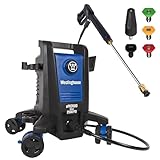
The pressure washer spray gun is a critical component of any pressure washing system, serving as the interface between the user and the machine. It is designed to control the flow and pressure of water being expelled from the pressure washer, allowing for a variety of cleaning tasks to be performed with precision. The spray gun typically features a trigger mechanism that enables the user to start and stop the flow of water easily, along with interchangeable nozzles that adjust the spray pattern and intensity.
This versatility makes it an essential tool for both residential and commercial cleaning applications, from washing cars to cleaning driveways and decks. The construction of a pressure washer spray gun is engineered to withstand high pressures, often exceeding 3000 PSI (pounds per square inch). Most spray guns are made from durable materials such as reinforced plastic or metal alloys, which provide both strength and resistance to corrosion.
The design also incorporates ergonomic features, such as rubber grips, to enhance user comfort during extended use. Understanding the mechanics of the spray gun, including its internal components like the trigger valve and nozzle fittings, can help users troubleshoot issues and optimize their cleaning performance.
Key Takeaways
- Recognize when your pressure washer spray gun is worn out to ensure effective cleaning.
- Select a replacement spray gun compatible with your pressure washer model for optimal performance.
- Follow proper steps to safely and correctly replace your spray gun.
- Maintain your new spray gun regularly to extend its lifespan and maintain efficiency.
- Adhere to safety guidelines and troubleshoot common problems to prevent accidents and downtime.
Signs that Your Pressure Washer Spray Gun Needs Replacement
Recognizing when a pressure washer spray gun needs replacement is crucial for maintaining effective cleaning operations. One of the most apparent signs is a noticeable decrease in water pressure or inconsistent spray patterns. If the spray gun is unable to maintain a steady stream or if the water flow appears weak, it may indicate internal wear or damage that compromises its functionality.
This can be particularly frustrating during cleaning tasks, as it can lead to uneven results and require more time and effort to achieve satisfactory outcomes. Another indicator that your spray gun may need replacement is physical damage. Cracks, leaks, or corrosion on the body of the spray gun can significantly affect its performance and safety.
For instance, a crack in the housing can lead to water leaks, which not only waste water but can also pose a risk of injury due to slippery surfaces. Additionally, if the trigger mechanism becomes sticky or unresponsive, it may indicate internal wear that could lead to malfunction during operation. Regular inspections of your spray gun can help identify these issues early on, allowing for timely replacements before they escalate into more significant problems.
Choosing the Right Replacement Spray Gun

When it comes time to replace your pressure washer spray gun, selecting the right model is essential for ensuring compatibility and optimal performance. The first step in this process is to consider the specifications of your existing pressure washer. Different models have varying PSI ratings and flow rates, which means that not all spray guns will be suitable for your machine.
It is crucial to consult your pressure washer’s manual or manufacturer’s guidelines to determine the appropriate specifications for a replacement spray gun. In addition to compatibility, users should also consider the type of tasks they will be performing with the new spray gun. For example, if you frequently clean delicate surfaces like vehicles or painted surfaces, a spray gun with adjustable pressure settings and a wide range of nozzle options would be beneficial.
Conversely, if you primarily use your pressure washer for heavy-duty tasks like stripping paint or cleaning concrete, a more robust spray gun designed for high-pressure applications would be more appropriate. Evaluating your specific cleaning needs will help narrow down your options and ensure you choose a spray gun that enhances your efficiency and effectiveness.
Steps to Replace Your Pressure Washer Spray Gun
Replacing a pressure washer spray gun is a straightforward process that can typically be completed in just a few steps. First, ensure that your pressure washer is turned off and disconnected from any power source or water supply. Safety should always be your top priority when working with high-pressure equipment.
Once you have ensured that the machine is safe to handle, locate the connection point where the spray gun attaches to the pressure washer hose. This connection is usually secured with a threaded fitting or quick-connect coupler. To remove the old spray gun, simply unscrew or disconnect it from the hose.
If it is stuck due to debris or corrosion, applying some penetrating oil may help loosen it. After removing the old spray gun, inspect the hose connection for any signs of wear or damage; replacing it at this stage can prevent future issues. Next, take your new spray gun and attach it securely to the hose, ensuring that all fittings are tight but not over-tightened, as this could cause damage.
Once connected, you can reattach any safety features or accessories that were previously in place.
Maintenance Tips for Your New Spray Gun
| Metric | Value | Unit | Notes |
|---|---|---|---|
| Average Replacement Cost | 25 | USD | Cost for a standard spray gun replacement |
| Replacement Time | 15 | Minutes | Average time to replace the spray gun |
| Compatible Pressure Range | 1000-4000 | PSI | Pressure range suitable for replacement spray guns |
| Material | Aluminum/Plastic | N/A | Common materials used in spray gun construction |
| Average Lifespan | 2-3 | Years | Typical lifespan before replacement is needed |
| Trigger Pull Force | 5-10 | lbs | Force required to operate the trigger |
| Weight | 1-2 | lbs | Weight of the replacement spray gun |
Proper maintenance of your new pressure washer spray gun is essential for prolonging its lifespan and ensuring optimal performance. One of the most important maintenance tasks is regular cleaning after each use. After finishing your cleaning job, detach the spray gun from the pressure washer and run clean water through it for several minutes.
This helps flush out any detergent residues or debris that may have accumulated during use. Neglecting this step can lead to clogs and reduced performance over time. In addition to regular cleaning, it’s advisable to inspect your spray gun periodically for signs of wear or damage.
Check for cracks in the housing, leaks around fittings, and ensure that the trigger mechanism operates smoothly without sticking. Lubricating moving parts with a silicone-based lubricant can also help maintain functionality and prevent rust or corrosion. Storing your spray gun in a dry place away from extreme temperatures will further protect it from environmental damage.
Upgrading Your Cleaning Efficiency with a New Spray Gun

Investing in a new pressure washer spray gun can significantly enhance your cleaning efficiency and effectiveness. Modern spray guns often come equipped with advanced features such as adjustable pressure settings and multiple nozzle options that allow users to customize their cleaning experience based on specific tasks. For instance, some models offer turbo nozzles that combine high-pressure water jets in a rotating pattern, making them ideal for tackling tough stains on concrete surfaces.
Moreover, ergonomic designs in newer models can reduce user fatigue during extended cleaning sessions. Features such as padded grips and lightweight materials make handling easier and more comfortable. Additionally, some advanced spray guns include built-in soap dispensers that allow users to apply detergents directly through the nozzle without needing separate equipment.
This integration streamlines the cleaning process and saves time while ensuring thorough results.
Safety Precautions When Using a Pressure Washer Spray Gun
Safety should always be a primary concern when operating a pressure washer and its associated components like the spray gun. One of the most critical safety precautions is wearing appropriate personal protective equipment (PPE). This includes safety goggles to protect your eyes from flying debris, gloves to shield your hands from high-pressure water jets, and sturdy footwear to prevent slips on wet surfaces.
Additionally, long pants and sleeves can help protect against accidental splashes of hot water or chemicals. Before using your pressure washer spray gun, it’s essential to familiarize yourself with its operation and safety features. Always read the manufacturer’s instructions carefully and ensure you understand how to operate the trigger mechanism safely.
Never point the spray gun at yourself or others while in operation; even low-pressure settings can cause injury if misused.
Troubleshooting Common Issues with Your Pressure Washer Spray Gun
Even with proper maintenance and care, users may encounter common issues with their pressure washer spray guns over time. One frequent problem is reduced water flow or inconsistent spraying patterns, which can often be attributed to clogs in the nozzle or hose.
If clogs persist, inspect the hose for kinks or damage that could restrict water flow. Another common issue is leaks around the connections of the spray gun. If you notice water seeping from these areas during operation, it may indicate worn O-rings or seals that need replacement.
Disassembling the connection points allows you to inspect these components closely; replacing them can often restore proper function without needing a complete spray gun replacement. Additionally, if you experience difficulty with the trigger mechanism sticking or failing to engage properly, lubricating moving parts may alleviate this issue and improve overall performance. By understanding these aspects of pressure washer spray guns—from their functionality and maintenance needs to troubleshooting common problems—users can maximize their cleaning efficiency while ensuring safety and longevity in their equipment usage.
If you’re considering replacing your pressure washer spray gun, it’s essential to understand the various options available to ensure compatibility and performance. For a comprehensive guide on selecting the right electric pressure washer, you can check out this article: Electric Pressure Washers: Buy Now. This resource provides valuable insights that can help you make an informed decision when upgrading your equipment.




Leave a Reply