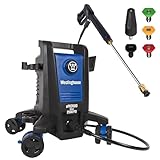
Pressure washing nozzle selection directly affects cleaning performance and efficiency. Nozzle colors follow a standardized coding system that indicates specific spray patterns and pressure levels. Each color represents a different spray angle and intensity, enabling users to match the appropriate nozzle to their cleaning surface and requirements.
The color-coding system provides a universal method for identifying nozzle specifications across different pressure washer brands and models. This standardization allows operators to quickly select the correct nozzle for various applications, from delicate surface cleaning to heavy-duty debris removal. Proper nozzle selection prevents surface damage while maximizing cleaning effectiveness.
Different cleaning tasks require specific spray characteristics. Automotive cleaning, concrete surface preparation, and building exterior maintenance each demand distinct pressure levels and spray patterns. Understanding the relationship between nozzle colors and their corresponding specifications enables efficient project completion and reduces the risk of equipment misuse or surface damage.
Key Takeaways
- Pressure washer nozzles are color-coded to indicate spray angle and pressure level.
- Red nozzles deliver a high-pressure, narrow spray ideal for tough cleaning tasks.
- Yellow nozzles provide a high-pressure, wider spray suitable for general cleaning.
- Green nozzles offer medium pressure with a wide spray for more delicate surfaces.
- White nozzles produce a low-pressure, wide spray perfect for gentle rinsing and sensitive areas.
The Importance of Nozzle Color Coding
The color coding of pressure washer nozzles is an essential aspect of their design that enhances usability and safety. Each color represents a specific spray angle and pressure level, which is crucial for achieving optimal cleaning results. By understanding this system, you can select the right nozzle for the job at hand, minimizing the risk of damage to surfaces while maximizing cleaning efficiency.
For instance, using a high-pressure nozzle on delicate surfaces can lead to unwanted scratches or even structural damage, while a low-pressure nozzle may not effectively remove tough stains. Moreover, the color coding system simplifies the decision-making process for users of all experience levels. Whether you are a seasoned professional or a novice, knowing that a red nozzle delivers a narrow, high-pressure spray while a white nozzle provides a gentle wash can help you quickly assess which tool is best suited for your task.
This intuitive system not only saves time but also enhances safety by reducing the likelihood of accidents caused by improper nozzle selection.
Understanding the Different Nozzle Colors

To effectively utilize your pressure washer, it’s crucial to understand the different nozzle colors and their corresponding functions. Each color represents a specific spray angle measured in degrees, which directly affects the width and intensity of the water stream. The most common colors you will encounter are red, yellow, green, and white, each designed for particular cleaning applications.
The red nozzle typically has a 0-degree spray angle, producing a concentrated stream of water that can cut through tough grime but may also pose a risk to delicate surfaces. The yellow nozzle, with a 15-degree angle, offers a balance between power and coverage, making it suitable for removing stubborn stains without excessive force. The green nozzle provides a wider spray at 25 degrees, ideal for general cleaning tasks on surfaces like decks and patios.
Finally, the white nozzle features a 40-degree angle, delivering a gentle wash perfect for rinsing off soap or cleaning vehicles. Understanding these distinctions will enable you to choose the right nozzle for each specific task.
Red Nozzles: High-pressure, Narrow Spray
The red nozzle is often referred to as the “zero-degree” nozzle due to its narrow spray pattern. This nozzle produces an intense jet of water that can effectively remove even the most stubborn dirt and grime from hard surfaces. However, with great power comes great responsibility; using this nozzle requires caution.
The concentrated stream can easily damage softer materials such as wood or paint if not handled properly. Therefore, it is essential to reserve the red nozzle for tough jobs on durable surfaces like concrete or metal. When using the red nozzle, it’s advisable to maintain a safe distance from the surface being cleaned.
This distance helps prevent any potential damage while still allowing you to harness the power of the high-pressure stream. Additionally, consider testing the nozzle on a small, inconspicuous area first to gauge its impact before proceeding with larger sections. By understanding when and how to use the red nozzle effectively, you can achieve remarkable results in your pressure washing endeavors.
Yellow Nozzles: High-pressure, Wide Spray
| Nozzle Color | Spray Angle | Pressure Level | Common Uses |
|---|---|---|---|
| Red | 0° | Highest | Stubborn stains, spot cleaning, concrete etching |
| Yellow | 15° | High | Heavy-duty cleaning, paint stripping, surface preparation |
| Green | 25° | Medium | General cleaning, driveways, sidewalks, decks |
| White | 40° | Low | Delicate surfaces, washing cars, windows, siding |
| Black | 65° (Soap Nozzle) | Low | Applying soap or detergent |
The yellow nozzle is designed for those who need a bit more versatility in their cleaning tasks. With a 15-degree spray angle, it strikes a balance between power and coverage. This makes it an excellent choice for removing tough stains from surfaces like driveways and sidewalks without risking damage to more delicate materials.
The yellow nozzle is particularly effective for tasks that require both precision and strength, such as stripping paint or cleaning heavily soiled areas. When using the yellow nozzle, you can expect a powerful spray that covers a wider area than the red nozzle while still maintaining enough pressure to tackle stubborn dirt. It’s important to adjust your distance from the surface based on how tough the grime is; closer for heavy stains and further away for lighter cleaning tasks.
This adaptability makes the yellow nozzle a favorite among many pressure washing enthusiasts who appreciate its ability to handle various challenges with ease.
Green Nozzles: Medium-pressure, Wide Spray

The green nozzle offers a more moderate approach to pressure washing with its 25-degree spray angle. This nozzle is ideal for general cleaning tasks where you want to remove dirt without risking damage to surfaces. It’s particularly effective on decks, patios, and siding where a gentler touch is required but still provides enough power to get the job done efficiently.
The green nozzle strikes an excellent balance between pressure and coverage, making it one of the most versatile options available. When using the green nozzle, you’ll find that it allows for quicker cleaning of larger areas compared to narrower nozzles while still being gentle enough for most surfaces. This makes it an excellent choice for routine maintenance tasks around your home or business.
As with any nozzle, adjusting your distance from the surface will help optimize performance; getting closer for stubborn spots while keeping a safe distance for broader cleaning tasks will yield the best results.
White Nozzles: Low-pressure, Wide Spray
The white nozzle is characterized by its 40-degree spray angle and is often referred to as the “soap” nozzle due to its ideal use in applying detergents or soaps during pressure washing tasks. This low-pressure option is perfect for rinsing off surfaces after applying cleaning solutions or for gentle washing of vehicles and delicate surfaces like windows or painted areas. The white nozzle provides a wide spray pattern that ensures even coverage without risking damage.
Using the white nozzle is straightforward; simply attach it when you need to apply soap or rinse off suds after scrubbing surfaces. Its gentle nature makes it suitable for various applications where high pressure isn’t necessary but thorough cleaning is still desired. By incorporating the white nozzle into your pressure washing routine, you can ensure that your surfaces are not only clean but also protected from potential damage caused by more aggressive nozzles.
Choosing the Right Nozzle Color for Your Pressure Washing Needs
In conclusion, understanding pressure washer nozzle colors is essential for anyone looking to achieve effective and safe cleaning results. Each color represents a specific spray angle and pressure level that caters to different cleaning tasks. By familiarizing yourself with these distinctions—red for high-pressure narrow sprays, yellow for high-pressure wide sprays, green for medium-pressure wide sprays, and white for low-pressure wide sprays—you can make informed decisions that enhance your cleaning efficiency.
As you prepare for your next pressure washing project, take a moment to assess the surfaces you’ll be working on and choose your nozzles accordingly. By selecting the right color-coded nozzle for each task, you’ll not only save time but also protect your surfaces from potential damage while achieving outstanding results. With this knowledge in hand, you’re now equipped to tackle any cleaning challenge with confidence and precision.
When it comes to understanding the different pressure washer nozzle colors and their specific uses, it’s essential to have reliable information at your fingertips. For a deeper dive into the topic, you can check out this informative article on electric pressure washers, which discusses various features and accessories that can enhance your cleaning experience. You can read more about it here: Electric Pressure Washers for Women: Your Best Friend.




Leave a Reply