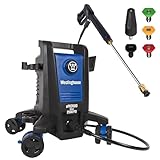
When using a pressure washer, the nozzle is a critical component that determines cleaning effectiveness. This small attachment controls water flow and direction, allowing you to adjust pressure and spray pattern for different surfaces and cleaning tasks. The nozzle design affects both water pressure and spray width.
Narrow spray patterns create concentrated force for stubborn stains and grime, while wider patterns work better for larger areas or delicate surfaces. Understanding nozzle functionality enables informed decisions that improve cleaning results. With proper knowledge of how nozzles work, you can confidently approach various cleaning projects, from automotive washing to driveway cleaning, achieving optimal results with precision.
Key Takeaways
- Different nozzle tips provide varying spray angles and pressure levels for specific cleaning tasks.
- Selecting the correct nozzle tip size and angle is crucial for effective and safe pressure washing.
- Regular maintenance and cleaning of nozzle tips prevent clogs and ensure optimal performance.
- Safety precautions, such as wearing protective gear and avoiding delicate surfaces, are essential when using pressure washer nozzles.
- Avoid common mistakes like using the wrong nozzle tip or excessive pressure to maximize efficiency and prevent damage.
Types of Pressure Washer Nozzle Tips
Pressure washer nozzles come in various types, each designed for specific applications. The most common types include zero-degree, fifteen-degree, twenty-five-degree, and forty-degree nozzles. The zero-degree nozzle produces a concentrated stream of water that can cut through tough grime and dirt but should be used with caution due to its high pressure.
This nozzle is perfect for heavy-duty tasks like stripping paint or cleaning concrete surfaces. On the other hand, the fifteen-degree nozzle offers a slightly wider spray pattern while still maintaining a strong force. It is suitable for removing stubborn stains from surfaces like decks or patios.
The twenty-five-degree nozzle is often considered a versatile option, providing a balance between power and coverage. It works well for general cleaning tasks such as washing vehicles or siding. Lastly, the forty-degree nozzle delivers a gentle spray that is ideal for delicate surfaces like windows or painted surfaces, ensuring you don’t cause any damage while still achieving a clean finish.
Choosing the Right Nozzle Tip for the Job

Selecting the appropriate nozzle tip for your specific cleaning task is essential for achieving optimal results. Before you begin, assess the surface you will be cleaning and the type of dirt or grime you are dealing with. For instance, if you are tackling a heavily soiled concrete driveway, you might want to start with a zero-degree or fifteen-degree nozzle to break up tough stains effectively.
Conversely, if you are washing your car or cleaning windows, a twenty-five-degree or forty-degree nozzle would be more suitable to avoid damaging the paint or glass. Additionally, consider the pressure rating of your pressure washer when choosing a nozzle tip. Higher pressure washers can handle more aggressive nozzles without risking damage to the equipment or the surface being cleaned.
However, if your pressure washer has a lower PSI rating, it’s wise to opt for wider spray patterns that distribute pressure more evenly. By carefully evaluating both the surface and your equipment, you can select the right nozzle tip that will make your cleaning task more efficient and effective.
The Importance of Nozzle Size and Angle
The size and angle of a pressure washer nozzle are critical factors that influence its performance. The size refers to the orifice diameter of the nozzle, which directly affects the flow rate of water. A smaller orifice will produce higher pressure but lower flow, while a larger orifice will provide more flow at lower pressure.
Understanding this relationship is vital when selecting a nozzle for specific tasks; for example, if you need to rinse away soap from a surface quickly, a larger nozzle may be more effective. The angle of the nozzle also plays a significant role in how water is delivered to the surface being cleaned. A narrow angle concentrates the water into a powerful stream that can penetrate tough grime but may risk damaging softer surfaces.
In contrast, a wider angle disperses water over a larger area, reducing pressure but increasing coverage. By considering both size and angle when choosing your nozzle tip, you can optimize your cleaning process and achieve better results while minimizing potential damage to surfaces.
Tips for Maintaining and Cleaning Nozzle Tips
| Nozzle Tip Color | Spray Angle | Pressure Intensity | Common Uses |
|---|---|---|---|
| Red | 0° | Highest | Spot cleaning, tough stains, concrete etching |
| Yellow | 15° | High | Heavy-duty cleaning, paint stripping, surface preparation |
| Green | 25° | Medium | General cleaning, driveways, sidewalks, decks |
| White | 40° | Low | Delicate surfaces, windows, cars, boats |
| Black | 65° (Soap Nozzle) | Low | Applying detergents and soaps |
Proper maintenance of your pressure washer nozzles is essential for ensuring their longevity and performance. After each use, take a moment to inspect your nozzles for any signs of wear or damage. Clogs can occur due to debris buildup, which can hinder water flow and reduce efficiency.
To clean your nozzles, use a soft brush or cloth to remove any dirt or residue that may have accumulated during use. If you notice any blockages, carefully use a pin or needle to clear them out without damaging the nozzle. Additionally, storing your nozzles properly can prevent damage and prolong their lifespan.
Keep them in a dry place away from extreme temperatures and direct sunlight. If possible, store them in a protective case or container to avoid accidental drops or impacts that could cause cracks or breaks. By taking these simple maintenance steps, you can ensure that your pressure washer nozzles remain in optimal condition and ready for use whenever you need them.
Safety Precautions When Using Pressure Washer Nozzles

Safety should always be your top priority when using pressure washer nozzles. The high-pressure water stream can cause serious injuries if not handled correctly. Before starting any cleaning project, make sure to wear appropriate personal protective equipment (PPE), including safety goggles, gloves, and sturdy footwear.
This gear will help protect you from flying debris and potential injuries caused by the powerful water stream. Moreover, it’s crucial to familiarize yourself with your pressure washer’s operation manual before using it. Understanding how to adjust settings and switch between nozzles will help you operate the machine safely and effectively.
Always keep bystanders at a safe distance while operating the pressure washer, as loose debris can be propelled at high speeds and cause injury. By adhering to these safety precautions, you can enjoy a productive cleaning experience while minimizing risks.
Common Mistakes to Avoid When Using Nozzle Tips
Even experienced users can make mistakes when it comes to using pressure washer nozzles. One common error is using the wrong nozzle tip for a specific task. For instance, using a zero-degree nozzle on delicate surfaces can lead to damage or stripping paint.
Always assess the surface and choose an appropriate nozzle based on its material and condition. Another mistake is neglecting to maintain and clean nozzles regularly. Clogged nozzles can significantly reduce performance and lead to uneven cleaning results.
Make it a habit to inspect and clean your nozzles after each use to ensure they remain in good working condition. Additionally, avoid pointing the nozzle at yourself or others while operating the pressure washer; this can lead to serious injuries if the high-pressure stream makes contact with skin.
Tips for Maximizing the Efficiency of Pressure Washer Nozzle Tips
To maximize the efficiency of your pressure washer nozzle tips, consider implementing some best practices during your cleaning tasks. First, always start with the widest spray pattern before moving to narrower ones as needed. This approach allows you to cover larger areas quickly while assessing how much pressure is required for tougher spots without risking damage.
Furthermore, maintain a consistent distance between the nozzle tip and the surface being cleaned. Generally, keeping the nozzle about 12 inches away from most surfaces will provide effective cleaning without causing harm. Adjust this distance based on the type of surface and nozzle being used; for example, closer distances may be necessary for stubborn stains with narrow nozzles.
In conclusion, understanding pressure washer nozzles is essential for anyone looking to achieve effective cleaning results. By familiarizing yourself with different types of nozzles, choosing the right one for each job, maintaining them properly, and adhering to safety precautions, you can enhance your cleaning efficiency significantly. Avoiding common mistakes and implementing best practices will further ensure that your pressure washing tasks are completed successfully and safely every time you use your equipment.
If you’re looking to enhance your pressure washing experience, understanding the different nozzle tips is crucial. For more insights on pressure washers, you might find this article on the top 10 USA-made electric pressure washers particularly helpful. It provides a comprehensive overview of quality options available in the market, which can complement your knowledge of nozzle tips. Check it out here: Top 10 USA-Made Electric Pressure Washers.




Leave a Reply