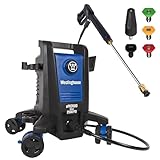
Pressure washing is a powerful cleaning method that utilizes high-pressure water spray to remove dirt, grime, and other contaminants from various surfaces. This technique is not only effective for cleaning driveways and patios but can also be applied to vehicles, making it a popular choice among car enthusiasts and everyday drivers alike. The fundamental principle behind pressure washing lies in the force of the water; the higher the pressure, the more effective the cleaning process.
Understanding this basic concept is crucial as it allows you to harness the full potential of your pressure washer while minimizing the risk of damage to your vehicle. When you pressure wash, the water is expelled through a nozzle at a high velocity, which can dislodge stubborn dirt and debris. However, it’s essential to recognize that not all surfaces can withstand the same level of pressure.
For instance, while concrete and brick can handle high-pressure washing, softer materials like car paint require a gentler approach. Familiarizing yourself with the different pressure settings and nozzles available on your pressure washer will enable you to tailor your cleaning method to suit your car’s specific needs. This knowledge will not only enhance your cleaning efficiency but also protect your vehicle from potential harm.
Key Takeaways
- Learn the fundamentals of pressure washing and its benefits for car cleaning.
- Select the appropriate pressure washer based on your car’s needs and surface sensitivity.
- Properly prepare your car to avoid damage and ensure effective cleaning.
- Follow a detailed step-by-step process for washing your car with a pressure washer.
- Implement safety measures and maintenance routines for optimal results and equipment longevity.
Choosing the Right Pressure Washer for Your Car
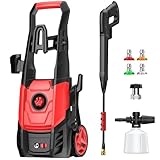
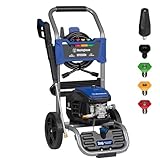
Selecting the appropriate pressure washer for your car is a critical step in ensuring a successful cleaning experience. There are various types of pressure washers available on the market, each designed for different tasks and surfaces. For car washing, you’ll want to look for a model that offers adjustable pressure settings, allowing you to switch between high and low pressure as needed.
Electric pressure washers are often recommended for automotive use due to their lighter weight and quieter operation compared to gas-powered models. When choosing a pressure washer, consider its PSI (pounds per square inch) rating. For washing cars, a PSI between 1200 and 1900 is generally sufficient.
This range provides enough power to remove dirt without risking damage to the paint or delicate components of your vehicle. Additionally, pay attention to the GPM (gallons per minute) rating, as this indicates the flow rate of water. A higher GPM means faster cleaning, which can save you time during your car wash routine.
Ultimately, investing in a quality pressure washer tailored for automotive use will enhance your cleaning results and prolong the life of your vehicle’s exterior.
Preparing Your Car for Pressure Washing

Before you begin pressure washing your car, proper preparation is essential to achieve optimal results. Start by finding a suitable location for washing your vehicle; ideally, this should be a shaded area to prevent water spots from forming as the sun dries the surface too quickly. Once you’ve chosen your spot, gather all necessary supplies, including your pressure washer, appropriate nozzles, car soap specifically designed for pressure washing, microfiber towels, and a bucket.
Next, inspect your car for any loose debris or dirt that could scratch the paint during the washing process.
Additionally, check for any areas that may require special attention, such as bird droppings or tree sap, which can be more challenging to remove.
Taking these preliminary steps will not only make the washing process more efficient but also help protect your car’s finish from potential damage.
Step-by-Step Guide to Washing Your Car with a Pressure Washer
Once you’ve prepared your car and gathered all necessary supplies, it’s time to dive into the actual washing process. Begin by connecting your pressure washer to a water source and ensuring that all hoses are securely attached. Select the appropriate nozzle for washing cars; typically, a wide-angle nozzle (25 or 40 degrees) is ideal for this task as it disperses water over a larger area and reduces the risk of damaging the paint.
Start by rinsing your car thoroughly with plain water to remove any loose dirt and debris. This initial rinse is crucial as it helps prevent scratches during the soaping process. After rinsing, mix your car soap with water according to the manufacturer’s instructions and apply it using a foam cannon or directly from the pressure washer if equipped with such functionality.
Work from the top down, applying soap in sections to ensure even coverage. Allow the soap to sit for a few minutes to break down grime before rinsing it off with clean water. After rinsing off the soap, take a moment to inspect your vehicle for any remaining dirt or spots that may need additional attention.
If necessary, repeat the soaping and rinsing process on those areas. Finally, dry your car using microfiber towels to prevent water spots and streaks from forming on the surface. This step is essential for achieving that polished look that every car owner desires.
Tips for Cleaning Different Parts of Your Car
| Step | Action | Recommended Pressure (PSI) | Water Temperature | Time Duration | Notes |
|---|---|---|---|---|---|
| 1 | Pre-rinse the car | 1200 – 1900 | Cold or lukewarm | 2-3 minutes | Remove loose dirt and debris before applying soap |
| 2 | Apply car wash soap with foam cannon or low-pressure nozzle | 500 – 800 | Cold or lukewarm | 5-10 minutes (let soap dwell) | Use car-specific soap to avoid paint damage |
| 3 | Rinse off soap | 1200 – 1900 | Cold or lukewarm | 3-5 minutes | Keep nozzle at least 12 inches from surface |
| 4 | Spot clean stubborn dirt with brush or mitt | N/A | N/A | As needed | Use gentle pressure to avoid scratches |
| 5 | Final rinse | 1200 – 1900 | Cold or lukewarm | 2-3 minutes | Ensure all soap residue is removed |
| 6 | Dry the car | N/A | N/A | 10-15 minutes | Use microfiber towels or air blower to prevent water spots |
When it comes to cleaning various parts of your car with a pressure washer, different techniques may be required for optimal results. For instance, when washing the wheels and tires, it’s best to use a dedicated wheel cleaner along with a stiff brush to scrub away brake dust and grime effectively. After applying the cleaner, use a lower-pressure setting on your washer to rinse off any residue without damaging the wheel finish.
For glass surfaces such as windows and mirrors, use a glass cleaner specifically designed for automotive use after rinsing off soap. A lower-pressure setting is also advisable here to avoid shattering or cracking any glass components. When cleaning areas like door jambs or undercarriages where dirt tends to accumulate, consider using a more concentrated spray pattern while maintaining a safe distance from sensitive components.
This approach will help dislodge stubborn dirt without causing harm.
Safety Precautions and Best Practices

Safety should always be a top priority when using a pressure washer on your car or any other surface. Before starting, ensure you’re wearing appropriate protective gear such as safety goggles and gloves to shield yourself from flying debris and chemicals. Additionally, be mindful of your surroundings; make sure there are no people or pets nearby who could be affected by the high-pressure spray.
Read through the manufacturer’s instructions carefully and understand how to adjust settings properly. Always maintain a safe distance from your vehicle while washing; keeping at least two feet away will help prevent damage while still allowing effective cleaning.
Lastly, never point the nozzle at yourself or others, as this can lead to serious injuries.
Maintaining Your Pressure Washer and Equipment
Proper maintenance of your pressure washer is essential for ensuring its longevity and performance over time. After each use, take a few moments to clean out any soap residue or debris from the nozzle and hoses. This simple step can prevent clogs that may hinder performance during future washes.
Additionally, check for any signs of wear or damage on hoses and connections; replacing worn parts promptly will help avoid leaks or malfunctions. Storing your pressure washer correctly is equally important. Keep it in a dry place away from extreme temperatures that could damage internal components.
If you’re using an electric model, ensure that all electrical connections are secure before storage. For gas-powered models, consider running them dry before storing them away for an extended period; this practice helps prevent fuel-related issues when you’re ready to use it again.
Additional Considerations for a Professional Finish
Achieving a professional finish when washing your car involves more than just using a pressure washer effectively; it requires attention to detail and additional steps that elevate your cleaning routine. After drying your vehicle with microfiber towels, consider applying a wax or sealant to protect the paint and enhance its shine. This layer of protection not only improves aesthetics but also makes future cleaning easier by preventing dirt from adhering as easily.
Another consideration is detailing the interior of your vehicle after completing the exterior wash. Vacuuming carpets and seats, wiping down surfaces with appropriate cleaners, and conditioning leather can significantly enhance your car’s overall appearance and comfort. By taking these extra steps, you’ll not only enjoy a clean exterior but also create an inviting environment inside your vehicle.
In conclusion, mastering the art of pressure washing your car involves understanding its fundamentals, selecting the right equipment, preparing adequately, and following best practices throughout the process. By taking these considerations into account and maintaining both your vehicle and equipment properly, you can achieve impressive results that keep your car looking its best for years to come.
When it comes to washing your car effectively, using a pressure washer can make the task much easier and more efficient. For a comprehensive guide on how to wash a car with a pressure washer, you might find it helpful to check out this article on the best pressure washers for cars. It provides insights into selecting the right equipment and techniques for achieving a spotless finish. You can read more about it here: Best Pressure Washers for Cars.




Leave a Reply