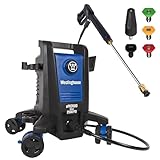
When it comes to pressure washing, selecting the right machine is crucial for achieving optimal results. You’ll want to consider the type of surfaces you plan to clean, as well as the scale of your projects. For instance, if you’re primarily working on small residential tasks like cleaning patios or driveways, an electric pressure washer with a lower PSI (pounds per square inch) rating may suffice.
These models are typically lighter, quieter, and easier to maneuver, making them ideal for home use. However, if you’re tackling larger jobs or more stubborn stains, a gas-powered pressure washer with a higher PSI will provide the extra power needed to blast away dirt and grime effectively.
A higher GPM means more water is being expelled, which can enhance cleaning efficiency. Look for a machine that balances both PSI and GPM to suit your specific needs. Furthermore, consider the various attachments and accessories available for different models.
Some pressure washers come with interchangeable nozzles or brushes that can make your cleaning tasks easier and more versatile. By taking the time to choose the right pressure washer, you set yourself up for success in your cleaning endeavors.
Key Takeaways
- Select a pressure washer suitable for your specific cleaning needs and surface type.
- Properly prepare the surface by removing loose debris and protecting nearby plants or objects.
- Adjust pressure settings and choose the correct nozzle to avoid damage and ensure effective cleaning.
- Use detergents designed for pressure washers and appropriate for the surface being cleaned.
- Employ correct techniques, including consistent movement and appropriate distance, to achieve optimal results.
Preparing the Surface for Pressure Washing
Before you dive into pressure washing, it’s essential to prepare the surface you’ll be cleaning. This step is often overlooked but can significantly impact the effectiveness of your cleaning efforts. Start by removing any loose debris such as leaves, dirt, or furniture from the area.
This not only helps prevent clogging your pressure washer but also ensures that you can reach every nook and cranny without obstruction. If you’re working on a driveway or patio, consider sweeping or using a leaf blower to clear away any larger debris. Next, inspect the surface for any damage or areas that may require special attention.
For example, if you’re cleaning wooden decks, look for splintered boards or loose nails that could pose a hazard during washing. If you notice any mold or mildew, it’s wise to treat those areas with a suitable cleaner before pressure washing. This pre-treatment can help loosen stubborn stains and make your job easier.
By taking these preparatory steps, you’ll create an optimal environment for your pressure washing project and ensure that you achieve the best possible results.
Adjusting the Pressure and Nozzle

Once you’ve selected your pressure washer and prepared the surface, it’s time to adjust the pressure and choose the right nozzle for your task. Different surfaces require different levels of pressure; for instance, delicate surfaces like wood or painted areas need a lower PSI to avoid damage, while concrete or brick can handle higher pressures. Most pressure washers come with adjustable settings that allow you to modify the PSI according to your needs.
Familiarize yourself with these settings before starting your project. Choosing the correct nozzle is equally important. Pressure washers typically come with a variety of nozzles that create different spray patterns—ranging from a narrow jet to a wide fan spray.
A narrow jet is great for tough stains on hard surfaces, while a wider spray is better suited for rinsing off large areas without causing damage. As a general rule of thumb, start with a wider nozzle and gradually switch to a narrower one if needed. This approach minimizes the risk of damaging surfaces while still allowing you to tackle stubborn grime effectively.
Using the Correct Detergent
Using detergent can significantly enhance your pressure washing results, especially when dealing with tough stains like grease, mold, or mildew. However, not all detergents are created equal; it’s essential to choose one that is specifically designed for use with pressure washers. Look for biodegradable options that are safe for the environment and won’t harm your plants or landscaping.
Many manufacturers offer detergents tailored for specific surfaces—such as concrete cleaners or wood restorers—so be sure to select one that matches your cleaning needs. When applying detergent, follow the manufacturer’s instructions carefully. Some pressure washers have built-in detergent tanks that allow you to mix the solution directly into the machine, while others may require you to use a separate applicator.
Regardless of how you apply it, allow the detergent to sit on the surface for a few minutes before rinsing it off. This dwell time helps break down tough stains and makes it easier for the pressure washer to do its job. By using the right detergent in conjunction with your pressure washer, you’ll achieve cleaner and more satisfying results.
Applying the Right Technique
| Metric | Detail | Recommended Range | Notes |
|---|---|---|---|
| Pressure (PSI) | Water pressure output | 1200 – 1900 PSI | Ideal for gentle cleaning without damaging paint |
| Flow Rate (GPM) | Gallons per minute of water flow | 1.2 – 1.5 GPM | Balances cleaning power and water usage |
| Power Source | Type of power used | Electric or Gas | Electric preferred for indoor/detailing use due to low noise and emissions |
| Weight | Portability factor | 10 – 20 lbs | Lighter units are easier to maneuver around vehicles |
| Nozzle Types | Spray patterns available | 0°, 15°, 25°, 40°, Soap | Use wider angles for delicate surfaces, soap nozzle for applying detergents |
| Hose Length | Reach from washer to vehicle | 20 – 30 feet | Longer hoses improve mobility but may reduce pressure slightly |
| Detergent Tank | Built-in soap reservoir | Yes/No | Helpful for applying cleaning solutions during detailing |
| Price Range | Cost of unit | 100 – 300 | Mid-range models offer best balance of features and value |
The technique you use while pressure washing can make a significant difference in both efficiency and effectiveness. Start by holding the wand at a consistent distance from the surface—typically around 12 to 24 inches—depending on the nozzle and surface type. Keeping a steady distance helps prevent damage while ensuring an even clean.
As you begin washing, move in smooth, overlapping strokes rather than staying in one spot for too long; this technique helps avoid streaks and ensures thorough cleaning. Additionally, consider working from top to bottom when cleaning vertical surfaces like walls or fences. This approach allows dirt and debris to flow downward as you clean, preventing you from having to wash areas multiple times.
For horizontal surfaces like driveways or patios, work in sections and rinse each area thoroughly before moving on to the next one. By applying these techniques consistently throughout your project, you’ll maximize your efficiency and achieve impressive results.
Cleaning Hard-to-Reach Areas

Cleaning hard-to-reach areas can be one of the most challenging aspects of pressure washing, but with the right tools and techniques, it doesn’t have to be daunting. Start by assessing the areas that require attention—these might include corners, under eaves, or behind outdoor furniture. Many pressure washers come with extension wands that allow you to reach higher places without needing a ladder.
If your model doesn’t have this feature, consider investing in an extension wand separately. For particularly stubborn spots or intricate details like railings or decorative elements, consider using specialized attachments such as rotating brushes or turbo nozzles. These tools can help you tackle tough grime without requiring excessive effort on your part.
Additionally, don’t forget about using ladders safely if necessary; always ensure they are stable and positioned correctly before climbing up to reach elevated areas. By employing these strategies, you’ll be able to clean those tricky spots effectively and ensure that every inch of your space looks its best.
Drying and Finishing Touches
After completing your pressure washing project, it’s important to allow surfaces adequate time to dry before using them again. Depending on weather conditions and humidity levels, drying times can vary significantly. For surfaces like decks or patios, consider using a squeegee or towel to help remove excess water and speed up the drying process.
This step not only helps prevent water spots but also allows you to inspect your work more closely for any missed spots or areas that may need additional attention. Once everything is dry, take a moment to assess the overall appearance of your cleaned surfaces. You may want to apply a sealant or protective coating on wooden surfaces to help prolong their lifespan and maintain their appearance over time.
For concrete surfaces, consider applying a concrete sealer that can protect against stains and weathering. These finishing touches can enhance both aesthetics and durability, ensuring that your hard work pays off in the long run.
Maintenance and Safety Tips
Maintaining your pressure washer is essential for ensuring its longevity and performance over time. After each use, take a few moments to clean out any debris from filters and nozzles to prevent clogs during future projects. Additionally, store your machine in a dry place away from extreme temperatures; this will help protect its components from wear and tear.
Regularly check hoses for signs of wear or leaks and replace them as necessary to avoid potential accidents during operation. Safety should always be a top priority when using a pressure washer. Always wear appropriate protective gear such as goggles and gloves to shield yourself from flying debris and high-pressure water jets.
Lastly, never point the nozzle at yourself or others—pressure washers can cause serious injuries if misused. By following these maintenance and safety tips, you’ll not only protect yourself but also ensure that your equipment remains in excellent working condition for years to come.
In conclusion, mastering the art of pressure washing involves careful planning and execution at every stage—from choosing the right equipment to applying effective techniques and ensuring safety throughout the process. By following these guidelines, you’ll be well-equipped to tackle any cleaning project with confidence and achieve outstanding results every time.
When it comes to detailing your vehicle, using a pressure washer can significantly enhance the cleaning process. For a comprehensive guide on how to effectively pressure wash your car, check out this article: How to Pressure Wash a Car and Have a Great Time. This resource provides valuable tips and techniques to ensure your car looks its best while using a pressure washer safely and efficiently.




Leave a Reply