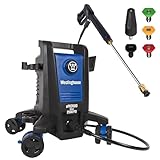
When investing in a pressure washer, users expect powerful cleaning performance, particularly for stubborn grime and dirt. The soap nozzle is a critical component that significantly impacts cleaning effectiveness. This specialized attachment is designed to properly dispense cleaning solutions to enhance the washing process.
Many pressure washer owners experience problems with their soap nozzles that can compromise cleaning results. Several factors commonly cause soap nozzle malfunctions, including clogging, incorrect soap dilution ratios, and normal component deterioration. Understanding these issues is essential for maintaining optimal pressure washer performance.
By identifying common soap nozzle problems, users can implement appropriate solutions to ensure their equipment functions efficiently. This article examines the typical challenges associated with pressure washer soap nozzles and provides practical troubleshooting methods to resolve these issues.
Key Takeaways
- Soap nozzle clogs and blockages are common issues affecting pressure washer performance.
- Regular inspection and cleaning of the soap nozzle filter help maintain proper soap flow.
- Adjusting soap dilution ratios ensures effective cleaning without nozzle damage.
- Maintaining proper water pressure and flow is crucial for optimal soap nozzle function.
- Replacing worn or damaged nozzles prevents recurring problems and extends equipment life.
Common Problems with Pressure Washer Soap Nozzles
One of the most prevalent issues you might face with your pressure washer soap nozzle is inadequate soap dispensing. You may notice that the soap is not coming out as expected, or perhaps it’s not coming out at all. This can be incredibly frustrating, especially when you’re in the middle of a cleaning project.
Often, this problem stems from a clogged nozzle or an incorrect attachment. If the nozzle is blocked, it can prevent soap from flowing through, leaving you with a less effective cleaning experience. Another common problem is the dilution of soap.
If you find that your soap isn’t lathering or adhering to surfaces as it should, it could be due to an improper dilution ratio. Many users underestimate the importance of mixing soap correctly with water, which can lead to ineffective cleaning solutions. You might be using too much or too little soap, both of which can compromise your cleaning efforts.
Understanding how to adjust these ratios is essential for achieving optimal results.
Checking for Clogs or Blockages

When troubleshooting your pressure washer soap nozzle, the first step is to check for clogs or blockages. Over time, soap residue can build up in the nozzle, leading to restricted flow. To inspect for clogs, detach the soap nozzle from the pressure washer wand and visually examine it.
You may need a flashlight to see inside the nozzle clearly.
To clear a clog, you can use a small wire or a specialized cleaning tool designed for this purpose.
Gently insert the tool into the nozzle opening and work it back and forth to dislodge any debris. Afterward, rinse the nozzle thoroughly with water to ensure that all remnants of soap and dirt are removed. By taking this simple step, you can often restore proper function to your soap nozzle and enhance your pressure washer’s overall performance.
Adjusting Soap Dilution Ratios
Once you’ve ensured that your soap nozzle is free from clogs, it’s essential to consider the dilution ratios of your cleaning solution. The effectiveness of your pressure washer soap largely depends on how well it is mixed with water. If you’re using a concentrated soap, following the manufacturer’s guidelines for dilution is crucial.
You might find that using too much soap can lead to excessive suds that don’t rinse away easily, while too little can result in inadequate cleaning power. To adjust your soap dilution ratios effectively, start by reading the instructions on your soap container. Many products will provide specific recommendations based on the type of surface you’re cleaning and the level of dirt present.
Experimenting with different ratios can help you find the perfect balance for your needs. Remember that achieving optimal results may require some trial and error, but once you find the right mix, you’ll notice a significant improvement in your cleaning efficiency.
Inspecting and Cleaning the Soap Nozzle Filter
| Issue | Possible Cause | Recommended Solution | Estimated Time to Fix | Difficulty Level |
|---|---|---|---|---|
| Soap nozzle not spraying soap | Clogged soap nozzle | Remove and clean the nozzle with warm water and a small brush | 10-15 minutes | Easy |
| Soap nozzle spraying water only | Incorrect nozzle selected (using high-pressure nozzle instead of soap nozzle) | Switch to the soap or low-pressure nozzle | 5 minutes | Easy |
| No soap coming out | Soap siphon tube not submerged in soap solution | Ensure the siphon tube is fully submerged in soap container | 5 minutes | Easy |
| Soap nozzle working intermittently | Air trapped in soap line | Prime the soap line by running soap at low pressure for a few minutes | 10 minutes | Medium |
| Soap nozzle not working despite cleaning | Damaged or worn soap nozzle | Replace the soap nozzle with a new one | 15-20 minutes | Medium |
In addition to checking for clogs in the nozzle itself, it’s also important to inspect and clean the soap nozzle filter if your pressure washer is equipped with one. This filter plays a vital role in preventing debris from entering the nozzle and causing blockages. Over time, it can become dirty or clogged, leading to reduced soap flow and overall performance issues.
To clean the filter, first locate it according to your pressure washer’s manual. Once found, remove it carefully and rinse it under warm water to remove any accumulated dirt or soap residue. If necessary, use a soft brush to scrub away stubborn buildup.
After cleaning, allow the filter to dry completely before reassembling it back into your pressure washer. Regular maintenance of this component will help ensure that your soap nozzle operates smoothly and efficiently.
Ensuring Proper Water Pressure and Flow

Another critical factor affecting your pressure washer’s soap nozzle performance is water pressure and flow rate. If your water supply isn’t providing adequate pressure, it can lead to poor soap dispersion and ineffective cleaning results. Before starting any cleaning task, check that your water source is functioning correctly and that there are no kinks in the hose that could restrict flow.
You may also want to consider using a pressure gauge to measure the water pressure coming from your supply line. Ideally, you should have a minimum of 20 PSI for effective soap application. If you find that your water pressure is low, try adjusting your faucet or checking for any obstructions in your plumbing system.
Ensuring proper water flow will not only enhance your soap nozzle’s performance but also improve overall cleaning efficiency.
Replacing Worn or Damaged Soap Nozzles
Despite regular maintenance and care, there may come a time when your soap nozzle simply wears out or becomes damaged beyond repair. Signs of wear can include cracks, chips, or a loss of shape that prevents a proper seal when attached to the wand. If you notice any of these issues, it’s essential to replace the nozzle promptly to avoid further complications during your cleaning tasks.
When selecting a replacement soap nozzle, ensure that it is compatible with your specific pressure washer model. Many manufacturers offer replacement parts that are designed to fit seamlessly with their equipment. Investing in a high-quality replacement will not only restore functionality but also enhance your overall cleaning experience by ensuring consistent soap application.
Tips for Preventing Future Soap Nozzle Issues
To keep your pressure washer soap nozzle functioning optimally in the long run, consider implementing some preventive measures. First and foremost, always flush out the system with clean water after each use. This simple step helps remove any residual soap or debris that could lead to clogs over time.
Additionally, store your pressure washer in a dry place away from extreme temperatures when not in use. Extreme heat or cold can cause materials to degrade more quickly than usual. Regularly inspect all components of your pressure washer for signs of wear or damage and address any issues promptly before they escalate into more significant problems.
By taking these proactive steps and being mindful of how you use and maintain your pressure washer soap nozzle, you can enjoy efficient cleaning results for years to come. With proper care and attention, you’ll find that tackling tough jobs becomes easier and more effective than ever before.
If you’re experiencing issues with your pressure washer soap nozzle not working, it might be helpful to check out some related tips on how to effectively use your pressure washer.