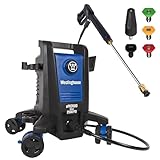
When tackling tough cleaning jobs around homes or businesses, pressure washers serve as powerful tools.
Pressure washers come in different types, including electric and gas-powered models, each designed for specific tasks.
Electric pressure washers are lighter and quieter, making them suitable for smaller jobs like car washing or patio cleaning. Gas-powered models provide more power and are better suited for larger projects, such as driveway or siding cleaning. Understanding pressure washer components is essential for effective use.
The main parts include the motor or engine, pump, hose, and nozzle. The motor powers the pump, which pressurizes water and sends it through the hose to the nozzle. The nozzle determines the spray pattern and water pressure.
Different nozzles are designed for various tasks, allowing customization based on the surface being cleaned. Familiarity with these basics enhances cleaning efficiency and helps troubleshoot operational issues.
Key Takeaways
- Pressure washers require proper understanding of their components and operation for effective use.
- Common issues often stem from water supply problems, blockages, or engine/motor malfunctions.
- Regular inspection of hoses, nozzles, and pumps is essential to identify and fix blockages or mechanical faults.
- Routine maintenance and cleaning help prevent many common pressure washer problems.
- Professional assistance should be sought if troubleshooting steps do not resolve the issues.
Common Issues with Pressure Washers
As with any mechanical device, pressure washers can encounter a range of issues that may hinder their performance.
This can be incredibly frustrating, especially when you’re in the middle of a cleaning project.
Low pressure can stem from various factors, including clogs in the hose or nozzle, insufficient water supply, or even issues with the pump itself. Recognizing these potential problems early on can save you time and effort in the long run. Another frequent issue is engine or motor failure.
If your pressure washer won’t start or runs inconsistently, it could be due to fuel problems, electrical issues, or even a dirty air filter. These problems can often be resolved with some basic maintenance or troubleshooting steps. However, if you find yourself facing persistent issues despite your best efforts, it may be time to consider more in-depth repairs or professional assistance.
Understanding these common issues will empower you to take action when they arise and keep your pressure washer running smoothly.
Checking for Water Supply Problems

Before diving into more complex troubleshooting steps, it’s essential to check for water supply problems. A pressure washer relies on a steady flow of water to function correctly, so any interruptions in this supply can lead to performance issues. Start by ensuring that the water source is turned on and that there are no kinks in the hose that could restrict flow.
You might also want to inspect the hose for leaks or damage that could affect water delivery. If everything appears to be in order but you’re still experiencing low pressure, consider checking the water inlet filter. This filter can become clogged with debris over time, restricting water flow into the pump.
Cleaning or replacing this filter can often resolve issues related to inadequate water supply. By taking these simple steps to ensure a consistent water supply, you can eliminate one of the most common culprits behind pressure washer problems.
Inspecting the Hose and Nozzle for Blockages
Once you’ve confirmed that your water supply is functioning correctly, it’s time to turn your attention to the hose and nozzle. These components are critical for delivering pressurized water effectively, and any blockages can significantly impact performance. Begin by visually inspecting the hose for any visible signs of damage or wear.
Look for cracks, punctures, or kinks that could impede water flow. If you notice any issues, replacing the hose may be necessary to restore optimal performance. Next, focus on the nozzle itself.
Over time, nozzles can become clogged with dirt and debris, leading to uneven spray patterns or reduced pressure. Detach the nozzle from the wand and inspect it closely for any blockages. You can use a small wire or a pin to clear out any debris that may be obstructing the nozzle openings.
Additionally, consider soaking the nozzle in warm soapy water to help dissolve any stubborn buildup. By ensuring that both the hose and nozzle are free from blockages, you’ll be well on your way to restoring your pressure washer’s efficiency.
Addressing Engine or Motor Issues
| Issue | Possible Cause | Troubleshooting Steps | Recommended Action |
|---|---|---|---|
| Pressure washer won’t start | Engine won’t turn over or no power | Check fuel level, spark plug, and power source | Refuel, clean/replace spark plug, check electrical connection |
| Low pressure output | Clogged nozzle or inlet filter | Inspect and clean nozzle and inlet filter | Remove debris and flush system |
| Water leaks from pump | Worn or damaged seals | Inspect pump seals for damage | Replace seals or pump as needed |
| Engine runs but no water pressure | Blocked water supply or air in system | Check water source and bleed air from system | Ensure water supply is adequate and purge air |
| Pressure washer surges or stalls | Dirty carburetor or fuel issues | Clean carburetor and check fuel quality | Use fresh fuel and clean carburetor components |
| Unusual noise from pump | Insufficient lubrication or worn parts | Check oil level and inspect pump components | Refill oil and replace worn parts |
If your pressure washer still isn’t performing as expected after checking the water supply and inspecting the hose and nozzle, it may be time to investigate engine or motor issues. For gas-powered models, start by checking the fuel level and ensuring that you’re using fresh gasoline. Old fuel can lead to starting problems and poor engine performance.
If you suspect fuel issues, draining the old fuel and replacing it with fresh gasoline can often resolve these problems. For electric models, check the power source and ensure that the outlet is functioning correctly. You might also want to inspect the power cord for any signs of damage or fraying that could interrupt electrical flow.
Additionally, a dirty air filter can restrict airflow to the motor, causing it to run poorly or not at all. Cleaning or replacing the air filter is a simple yet effective step in addressing engine-related issues. By systematically checking these components, you can often identify and resolve engine or motor problems without needing professional assistance.
Troubleshooting Pump Problems

The pump is arguably one of the most critical components of your pressure washer, as it generates the high-pressure water needed for effective cleaning. If you notice a significant drop in pressure or hear unusual noises coming from the pump, it’s essential to address these issues promptly. Start by checking for leaks around the pump area; any visible leaks could indicate a problem with seals or gaskets that may need replacement.
Another common issue with pumps is cavitation, which occurs when there’s insufficient water supply entering the pump. This can lead to damage over time if not addressed. Ensure that your water supply is adequate and that there are no blockages in the inlet filter or hose leading to the pump.
If you’ve checked all these factors and still experience problems, it may be necessary to consult your user manual for specific troubleshooting steps related to your model or seek professional help if needed.
Maintaining and Cleaning the Pressure Washer
Regular maintenance is key to prolonging the life of your pressure washer and ensuring optimal performance. After each use, take a few moments to clean your machine thoroughly. This includes flushing out any remaining detergent from the system and rinsing off dirt and debris from both the exterior and interior components.
Neglecting this step can lead to clogs and other issues down the line. In addition to post-use cleaning, consider implementing a routine maintenance schedule that includes checking oil levels (for gas models), inspecting hoses for wear and tear, and replacing filters as needed. Keeping an eye on these components will help prevent many common issues before they escalate into more significant problems.
By investing time in regular maintenance, you’ll not only enhance your pressure washer’s performance but also extend its lifespan significantly.
Seeking Professional Help if Issues Persist
Despite your best efforts at troubleshooting and maintaining your pressure washer, there may come a time when you encounter persistent issues that seem beyond your expertise. In such cases, seeking professional help can be a wise decision. Trained technicians have the knowledge and experience necessary to diagnose complex problems accurately and perform repairs safely.
Before contacting a professional service, gather as much information as possible about your pressure washer’s symptoms and any troubleshooting steps you’ve already taken. This information will help technicians understand your situation better and expedite the repair process. While it may feel frustrating to hand over your machine for repairs, remember that professional assistance can save you time and potentially prevent further damage to your equipment in the long run.
In conclusion, understanding how pressure washers work and being aware of common issues can empower you as a user to tackle many challenges independently. From checking water supply problems to maintaining your machine regularly, taking proactive steps will enhance your cleaning efficiency and prolong your equipment’s life. However, don’t hesitate to seek professional help when needed; sometimes expert intervention is just what you need to get back on track with your cleaning projects.
If you’re experiencing issues with your pressure washer, our comprehensive troubleshooting guide can help you identify and resolve common problems. For additional insights, you might find it useful to check out this article on 5 must-watch pressure washer videos that can provide visual guidance and tips before you start using your machine.




Leave a Reply