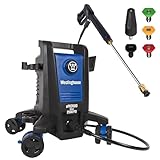
Electric pressure washers are essential tools for both residential and professional cleaning tasks, efficiently cleaning surfaces from driveways to decks. Despite their utility, these devices can experience operational issues, with unexpected shutdowns being particularly problematic. When a pressure washer turns off during use, it not only interrupts cleaning but may also indicate underlying problems requiring immediate attention.
The functionality of electric pressure washers depends on the harmonious interaction of water supply, electrical components, and mechanical systems. Disruption in any of these elements can cause the machine to shut down unexpectedly. Understanding the potential causes of these shutdowns is essential for effective troubleshooting and maintenance.
Key Takeaways
- Electric pressure washers can shut off due to various mechanical and electrical issues.
- Low water pressure is a common cause that can trigger automatic shutoff to protect the machine.
- Overheating from prolonged use or blocked airflow often leads to the washer turning off unexpectedly.
- Electrical problems, such as faulty wiring or circuit breakers, can interrupt power supply and cause shutdowns.
- Pump malfunctions and pressure relief valve issues also contribute to the washer shutting off and require regular maintenance.
Common Causes of Electric Pressure Washer Shutting Off
Electric pressure washers can shut off for a variety of reasons, each stemming from different components or operational conditions. Understanding these causes is essential for both troubleshooting and preventing future occurrences. Among the most prevalent issues are low water pressure, overheating, electrical problems, pump malfunctions, and issues with the pressure relief valve.
Each of these factors can independently or collectively contribute to the machine’s failure to operate continuously. Low water pressure is often one of the first culprits to investigate when an electric pressure washer shuts off unexpectedly. Insufficient water supply can lead to inadequate performance and may trigger automatic shut-off mechanisms designed to protect the machine from damage.
Overheating is another significant factor; when the motor or pump becomes too hot due to prolonged use or insufficient cooling, the system may shut down to prevent overheating damage. Electrical issues, such as faulty wiring or circuit overloads, can also cause the machine to lose power suddenly. Additionally, problems with the pump itself or the pressure relief valve can lead to operational failures.
By examining these common causes in detail, users can gain a clearer understanding of how to troubleshoot their electric pressure washers effectively.
Low Water Pressure

Low water pressure is a frequent issue that can lead to an electric pressure washer shutting off unexpectedly. The machine relies on a consistent and adequate flow of water to generate the high-pressure spray necessary for effective cleaning. If the water supply is insufficient—whether due to a kinked hose, a clogged filter, or an inadequate source—this can trigger an automatic shut-off feature designed to protect the pump from running dry.
When the pump does not receive enough water, it cannot create the necessary pressure, leading to a shutdown. To diagnose low water pressure issues, users should first check the water source and ensure that it is providing adequate flow. This can be done by disconnecting the hose from the washer and turning on the water supply; if the flow is weak or inconsistent, it may indicate a problem with the source itself.
Additionally, inspecting hoses for kinks or blockages is crucial; even minor obstructions can significantly reduce water flow. Cleaning or replacing filters within the washer can also help restore proper water pressure. By addressing these potential issues, users can often resolve low water pressure problems and prevent their electric pressure washers from shutting off unexpectedly.
Overheating
Overheating is another common reason for electric pressure washers to shut off during operation. The motor and pump generate heat as they work, and if this heat is not dissipated effectively, it can lead to thermal overload. Most modern electric pressure washers are equipped with thermal protection features that automatically shut off the machine when it reaches a certain temperature threshold.
This safety mechanism is designed to prevent damage to internal components and prolong the life of the machine. Several factors can contribute to overheating in electric pressure washers. Continuous use without breaks can cause excessive heat buildup, especially in models that are not designed for prolonged operation.
Additionally, inadequate ventilation around the motor or pump can hinder heat dissipation, leading to overheating issues. Users should ensure that their machines are operated in well-ventilated areas and take regular breaks during extended cleaning sessions to allow for cooling. If overheating persists despite these precautions, it may indicate underlying mechanical issues that require professional attention.
Electrical Issues
| Issue | Possible Cause | Recommended Action | Frequency of Occurrence | Impact on Performance |
|---|---|---|---|---|
| Pressure washer shuts off intermittently | Overheating due to prolonged use | Allow the unit to cool down before restarting; use in shorter intervals | Common | High – unit stops working until cooled |
| Pressure washer shuts off immediately after starting | Electrical overload or circuit breaker tripping | Check power source and reset breaker; avoid using extension cords | Moderate | High – prevents operation |
| Pressure washer shuts off during use | Clogged nozzle or filter causing motor strain | Clean or replace nozzle and filter regularly | Common | Medium – reduced pressure and shutdown |
| Pressure washer shuts off after a few minutes | Low water supply or inlet blockage | Ensure adequate water flow and clear inlet hose | Moderate | High – motor protection triggers shutdown |
| Pressure washer shuts off due to thermal overload | Faulty thermal sensor or motor issues | Inspect and replace thermal sensor or motor if needed | Rare | High – safety shutdown |
Electrical problems are another significant cause of electric pressure washers shutting off unexpectedly. These issues can range from simple problems like tripped circuit breakers to more complex concerns such as faulty wiring or damaged components within the machine itself. When an electric pressure washer loses power due to electrical issues, it may shut down abruptly, leaving users unable to continue their cleaning tasks.
This includes verifying that the outlet is operational and that no circuit breakers have been tripped. Inspecting the power cord for signs of wear or damage is also essential; frayed wires or loose connections can lead to intermittent power loss.
If these basic checks do not reveal any issues, it may be necessary to consult a professional technician who can conduct a more thorough examination of the machine’s internal electrical components.
Pump Problems
The pump is arguably one of the most critical components of an electric pressure washer, responsible for generating the high-pressure water spray that makes these machines effective cleaning tools. When pump problems arise, they can lead to significant operational failures, including unexpected shutdowns. Common pump-related issues include wear and tear on internal components, air leaks in the system, or even complete pump failure.
One of the first signs of pump problems may be a noticeable decrease in pressure during operation or unusual noises coming from the pump itself. Users should regularly inspect their pumps for signs of wear, such as leaks or corrosion, which can indicate that parts need replacement. Additionally, ensuring that there are no air leaks in the system is crucial; air entering the pump can disrupt its operation and lead to shutdowns.
If users suspect that their pump is malfunctioning but cannot identify specific issues, seeking professional repair services may be necessary to restore functionality.
Pressure Relief Valve
The pressure relief valve plays a vital role in maintaining safe operating conditions within an electric pressure washer. This component is designed to release excess pressure from the system when it exceeds safe levels, preventing potential damage to internal parts. However, if the pressure relief valve itself malfunctions or becomes clogged, it can lead to operational failures and unexpected shutdowns.
When troubleshooting issues related to the pressure relief valve, users should first inspect it for any signs of blockage or damage. A clogged valve may prevent proper operation and lead to excessive pressure buildup within the system. Regular maintenance practices such as cleaning or replacing worn-out valves can help ensure that this component functions correctly.
If users notice that their machine frequently shuts off due to pressure-related issues despite having a functioning relief valve, it may indicate deeper mechanical problems that require professional evaluation.
Conclusion and Final Tips for Troubleshooting Electric Pressure Washer Shutting Off
In summary, understanding why an electric pressure washer shuts off unexpectedly is essential for effective troubleshooting and maintenance. By examining common causes such as low water pressure, overheating, electrical issues, pump problems, and pressure relief valve malfunctions, users can take proactive steps to address these challenges. Regular maintenance practices—such as checking hoses for kinks, ensuring adequate ventilation during operation, inspecting electrical components for wear, and maintaining pump functionality—can significantly reduce the likelihood of encountering these issues.
For those who find themselves facing persistent shutdowns despite following troubleshooting steps, consulting with a professional technician may be necessary. They possess the expertise and tools required to diagnose complex problems that may not be immediately apparent to users. By staying informed about potential issues and implementing regular maintenance routines, users can enhance their electric pressure washer’s performance and longevity while minimizing disruptions during cleaning tasks.
If you’re experiencing issues with your electric pressure washer shutting off unexpectedly, it may be helpful to explore some troubleshooting tips. One related article that can provide valuable insights is How to Use Pressure Washer Hose Fittings, Couplers, and Adapters: A Comprehensive Guide. Understanding the proper connections and fittings can often resolve issues related to pressure loss and equipment malfunction.




Leave a Reply