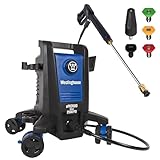
Electric pressure washers are invaluable tools for homeowners and professionals alike, providing a powerful means to clean surfaces ranging from driveways to decks. However, one common issue that users encounter is a pulsating spray, which can be frustrating and counterproductive. This pulsation often manifests as an inconsistent flow of water, leading to uneven cleaning results.
Understanding the underlying causes of this problem is essential for effective troubleshooting and resolution. The pulsating effect can stem from various factors, including issues with water supply, hose connections, or even the internal components of the pressure washer itself. When the pressure washer operates, it relies on a steady flow of water to maintain consistent pressure.
Identifying the root cause of this issue is crucial for restoring the pressure washer’s performance and ensuring that it operates smoothly during cleaning tasks.
Key Takeaways
- Pulsating in electric pressure washers often indicates issues with water flow or pressure consistency.
- Ensuring a steady and adequate water supply is crucial for proper washer operation.
- Inspect hoses, connections, nozzles, and spray guns for blockages or damage that can cause pulsation.
- Regular cleaning of the inlet filter and pump helps maintain smooth water flow and pressure.
- If troubleshooting steps fail, consulting a professional technician is recommended to avoid further damage.
Checking the Water Supply
The first step in addressing a pulsating electric pressure washer is to examine the water supply. A consistent and adequate water source is vital for the proper functioning of the machine. Begin by checking the water inlet to ensure that it is connected securely and that there are no kinks or blockages in the hose leading to the pressure washer.
A common oversight is neglecting to inspect the garden hose for any obstructions or leaks that could impede water flow. Additionally, it is important to verify that the water supply itself is sufficient. If you are drawing water from a tap, ensure that it is fully open and that there are no restrictions in the plumbing system.
In some cases, low water pressure from the municipal supply can contribute to pulsation issues. If you suspect this might be the case, consider using a pressure gauge to measure the water pressure at the tap. Ideally, the water pressure should be within the range specified by the manufacturer of your pressure washer, typically between 20 and 100 psi.
Inspecting the Pressure Washer Hose and Connections

Once you have confirmed that the water supply is adequate, the next step is to inspect the pressure washer hose and its connections. The hose is a critical component that transports water from the source to the pump, and any damage or wear can lead to pulsating issues. Carefully examine the entire length of the hose for signs of cracks, abrasions, or bulges that could indicate a loss of integrity.
In addition to inspecting the hose itself, pay close attention to all connections. Ensure that fittings are tight and secure, as loose connections can introduce air into the system, leading to inconsistent pressure. If you notice any damaged sections of hose or faulty connections, replacing them promptly can often resolve pulsation problems.
Furthermore, using high-quality hoses designed for pressure washing can help prevent future issues related to wear and tear.
Examining the Nozzle and Spray Gun
The nozzle and spray gun are integral components of an electric pressure washer, directly affecting how water is delivered during operation. A clogged or damaged nozzle can significantly impact performance, leading to pulsating spray patterns. Begin by removing the nozzle from the spray gun and inspecting it for any debris or buildup that may be obstructing water flow.
A simple cleaning with warm soapy water or a specialized nozzle cleaner can often restore proper function. In addition to cleaning, consider checking the spray gun itself for any signs of wear or malfunction. The trigger mechanism should operate smoothly without sticking or jamming.
If you notice any irregularities in how the spray gun functions, it may be necessary to replace it entirely. Ensuring that both the nozzle and spray gun are in optimal condition is essential for achieving a consistent spray pattern and preventing pulsation during use.
Cleaning the Inlet Filter and Pressure Washer Pump
| Metric | Value | Unit | Description |
|---|---|---|---|
| Pressure Range | 1500 – 2000 | PSI | Operating pressure range for electric pressure washers with pulsating function |
| Flow Rate | 1.2 – 1.5 | GPM | Water flow rate in gallons per minute |
| Pulse Frequency | 20 – 60 | Hz | Frequency of pressure pulses per second |
| Power Consumption | 1400 – 1800 | Watts | Electrical power usage during operation |
| Noise Level | 65 – 75 | dB | Operational noise level measured in decibels |
| Weight | 15 – 20 | kg | Weight of the electric pressure washer unit |
| Pulse Amplitude | 10 – 30 | PSI | Variation in pressure during pulsation |
Another critical area to examine when troubleshooting pulsating issues is the inlet filter and pressure washer pump. The inlet filter serves as a barrier against debris entering the pump, but over time it can become clogged with dirt and sediment. To address this, locate the inlet filter—usually found at the point where the garden hose connects to the pressure washer—and remove it for cleaning.
Rinse it thoroughly under running water to dislodge any accumulated particles. The pressure washer pump itself also requires attention. If debris has made its way past the inlet filter, it could lead to internal blockages within the pump, causing pulsation issues.
Inspecting and cleaning the pump may require disassembly, so refer to your user manual for specific instructions on how to access and clean this component safely. Regular maintenance of both the inlet filter and pump can help prevent pulsating problems and extend the lifespan of your electric pressure washer.
Adjusting the Pressure Regulator

The pressure regulator plays a crucial role in maintaining consistent water pressure during operation. If this component is malfunctioning or improperly set, it can lead to fluctuations in pressure that manifest as a pulsating spray. To address this issue, locate the pressure regulator on your electric pressure washer—typically found near the pump—and check its settings.
Many electric pressure washers come with adjustable regulators that allow users to set their desired pressure levels based on specific cleaning tasks. If you suspect that your regulator is set too low or too high, make adjustments according to your user manual’s guidelines. It’s important to note that different surfaces require different pressure levels; for instance, delicate surfaces like wood may require lower settings compared to concrete or brick.
Ensuring that your pressure regulator is correctly calibrated can significantly improve performance and reduce pulsation.
Verifying the Power Source
While it may seem unrelated at first glance, verifying the power source of your electric pressure washer is an essential step in troubleshooting pulsating issues. An inadequate power supply can lead to inconsistent motor performance, which may manifest as fluctuations in water pressure. Begin by checking that your pressure washer is plugged into a functioning outlet and that there are no tripped circuit breakers or blown fuses.
If you are using an extension cord, ensure that it is rated for outdoor use and capable of handling the power requirements of your pressure washer. Using an undersized extension cord can lead to voltage drops that affect performance. Ideally, connect your pressure washer directly to a wall outlet for optimal power delivery.
Additionally, if you notice any signs of electrical issues—such as flickering lights or unusual sounds from the motor—consider consulting an electrician to ensure that your electrical system is functioning properly.
Seeking Professional Help
If you have diligently followed all troubleshooting steps and still experience pulsating issues with your electric pressure washer, it may be time to seek professional assistance. While many problems can be resolved through basic maintenance and inspection, some issues may require specialized knowledge or tools beyond what a typical user possesses. A qualified technician can conduct a thorough diagnosis of your machine, identifying underlying problems that may not be immediately apparent.
When seeking professional help, consider contacting authorized service centers or technicians who specialize in electric pressure washers. They will have access to manufacturer-specific parts and expertise in handling various models and brands. Additionally, if your machine is still under warranty, reaching out to customer service may provide options for repair or replacement without incurring additional costs.
Ultimately, enlisting professional help can save time and ensure that your electric pressure washer operates at peak performance once again.
If you’re experiencing pulsating issues with your electric pressure washer, it may be helpful to understand how to properly use and maintain your equipment. For detailed guidance, you can check out this informative article on how to use electric pressure washers. Proper usage techniques can often resolve pulsating problems and enhance the overall performance of your washer.




Leave a Reply