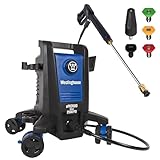
Ground Fault Circuit Interrupters (GFCIs) are essential safety devices designed to protect you from electrical shock. They monitor the flow of electricity in a circuit and can detect imbalances that may indicate a ground fault, which occurs when electricity escapes its intended path. When a GFCI senses this imbalance, it quickly cuts off the power supply, reducing the risk of serious injury or even death.
This is particularly important in areas where water is present, such as kitchens, bathrooms, and outdoor spaces, making GFCIs a critical component in your home’s electrical system. You may not realize it, but GFCIs are often required by electrical codes in many regions, especially in locations where moisture is prevalent. Understanding how these devices work can help you appreciate their importance.
A GFCI outlet typically has two buttons: a “Test” button and a “Reset” button. The Test button allows you to check if the GFCI is functioning correctly, while the Reset button restores power after it has tripped. Familiarizing yourself with these features can empower you to take control of your electrical safety.
Key Takeaways
- GFCI outlets protect against electrical shocks by detecting ground faults and cutting power.
- Pressure washers often trip GFCIs due to water leakage, damaged cords, or faulty connections.
- Regularly inspect and clean electrical connections to prevent corrosion and ensure proper function.
- Test and reset the GFCI outlet to verify it is working correctly before use.
- For persistent issues, consult a professional electrician and follow preventative maintenance for safety.
Common Causes of GFCI Tripping on Pressure Washers
When using a pressure washer, you might find that the GFCI trips unexpectedly. This can be frustrating, especially when you’re in the middle of a cleaning task. One common cause of this issue is moisture intrusion.
Pressure washers use water at high pressures, and if any water seeps into the electrical components or connections, it can create a ground fault. This is particularly true if the pressure washer is not designed for wet conditions or if it has been improperly stored. Another frequent reason for GFCI tripping is an overloaded circuit.
If you’re using multiple high-wattage devices on the same circuit as your pressure washer, the combined load may exceed the circuit’s capacity. This overload can cause the GFCI to trip as a protective measure. Additionally, damaged or frayed cords can also lead to tripping.
If the insulation on your power cord is compromised, it may expose wires that can create a ground fault when they come into contact with moisture or other conductive materials.
Inspecting and Cleaning Electrical Connections
To ensure your pressure washer operates safely and efficiently, it’s crucial to inspect and clean its electrical connections regularly. Start by unplugging the unit and examining all visible connections for signs of wear or corrosion. Corroded connections can impede electrical flow and lead to tripping issues.
If you notice any corrosion, use a wire brush or contact cleaner to remove it gently. Ensuring that all connections are tight and secure will help maintain a stable electrical flow. In addition to visual inspections, consider cleaning the connections periodically to prevent dirt and grime buildup.
Dust and debris can accumulate over time, leading to poor conductivity and potential tripping of the GFCI. A simple wipe-down with a damp cloth can often suffice, but be sure to dry everything thoroughly before reconnecting your pressure washer. Taking these steps not only enhances safety but also prolongs the life of your equipment.
Checking for Water Leakage and Damage
Water leakage is another significant factor that can lead to GFCI tripping when using a pressure washer. It’s essential to check for any signs of leaks in both the machine itself and the hoses connected to it. Inspect the seals and gaskets for wear or damage; even small cracks can allow water to enter areas where it shouldn’t be.
If you’re working on wet surfaces, consider using mats or other barriers to keep electrical components dry.
Being proactive about checking for water damage not only protects your equipment but also ensures your safety while operating the pressure washer.
Testing the GFCI Outlet and Resetting
| Metric | Description | Typical Values | Possible Causes | Recommended Actions |
|---|---|---|---|---|
| GFCI Trip Frequency | Number of times the GFCI trips during operation | Multiple times per use | Ground fault, moisture, electrical leakage | Inspect wiring, dry connections, replace faulty GFCI |
| Leakage Current | Current leakage detected by GFCI | Typically >5 mA triggers trip | Damaged insulation, wet components | Check for damaged cables, dry equipment |
| Power Supply Voltage | Voltage supplied to pressure washer | 120V or 240V AC | Voltage fluctuations can cause trips | Use stable power source, avoid extension cords |
| Pressure Washer Motor Current | Current drawn by motor during operation | Varies by model, typically 10-15 A | Overcurrent can cause GFCI to trip | Check motor condition, avoid overload |
| Environmental Moisture Level | Presence of moisture around electrical parts | High in wet conditions | Water ingress causing ground faults | Keep equipment dry, use waterproof covers |
If your pressure washer continues to trip the GFCI, it’s wise to test the outlet itself. Begin by pressing the Test button on the GFCI outlet; this should cut off power to the outlet if it’s functioning correctly. After testing, press the Reset button to restore power.
If the outlet does not trip when you press Test, it may be faulty and require replacement. If the outlet tests fine but your pressure washer still trips it, consider testing other devices on that outlet to determine if they also cause tripping. This can help you identify whether the issue lies with your pressure washer or the outlet itself.
If other devices work without tripping, it’s likely that your pressure washer needs further inspection or repair.
Inspecting the Power Cord and Extension Cord
The power cord of your pressure washer is another critical component that deserves attention. Inspect it for any signs of wear, such as fraying or cuts in the insulation. A damaged power cord can expose wires and create a ground fault, leading to GFCI tripping.
If you notice any issues with the cord, it’s best to replace it immediately rather than risk using a compromised connection. If you’re using an extension cord with your pressure washer, ensure that it is rated for outdoor use and capable of handling the power requirements of your device. Using an inadequate extension cord can lead to overheating and increased resistance, which may cause tripping as well.
Always check both cords before use to ensure they are in good condition and suitable for your pressure washer’s needs.
Consulting a Professional Electrician
If you’ve gone through all these troubleshooting steps and still experience issues with GFCI tripping while using your pressure washer, it may be time to consult a professional electrician. An expert can conduct a thorough inspection of your electrical system and identify any underlying issues that may not be immediately apparent to you. They have specialized tools and knowledge that can help diagnose problems related to wiring, circuit load, or even faulty outlets.
Additionally, if you’re unsure about performing any inspections or repairs yourself, seeking professional help is always a wise choice. Electricians can provide peace of mind by ensuring that everything is up to code and functioning safely. They can also offer advice on how to maintain your electrical system effectively, helping you avoid future issues with GFCIs and other electrical components.
Preventative Maintenance and Safety Tips
To minimize the chances of GFCI tripping while using your pressure washer, implementing preventative maintenance practices is essential. Regularly inspect your equipment for wear and tear, clean electrical connections, and check for leaks as part of your routine maintenance schedule. Keeping your pressure washer in good condition will not only enhance its performance but also ensure your safety during operation.
Moreover, always follow safety guidelines when using electrical devices outdoors. Avoid using your pressure washer in wet conditions or on damp surfaces whenever possible. If you must operate it in such conditions, take extra precautions by wearing rubber-soled shoes and ensuring that all connections are dry before plugging in your device.
By being proactive about maintenance and adhering to safety practices, you can enjoy a safer experience while using your pressure washer without frequent interruptions from GFCI tripping.
If you’re experiencing issues with your GFCI tripping while using a pressure washer, you might find it helpful to read about the