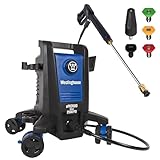
When considering pressure washer maintenance, the inlet screen is a critical component that often goes overlooked. This small filter serves an essential function by preventing debris and contaminants from entering the pump mechanism, which could otherwise cause significant damage. Understanding the role of this component is vital for efficient operation and can prevent unnecessary expenses and maintenance issues.
The inlet screen functions as the primary defense against foreign particles that might compromise your pressure washer’s performance. Maintaining a clean inlet screen ensures optimal water flow, which directly affects the machine’s pressure output and overall effectiveness. If this component becomes clogged or damaged, users may experience decreased performance and potentially face expensive repair costs.
Regular inspection and cleaning of the inlet screen will extend your equipment’s operational lifespan and maintain its performance capabilities.
Key Takeaways
- The inlet screen is crucial for preventing debris from entering a pressure washer.
- Common signs of clogging include reduced water pressure and irregular spray patterns.
- Troubleshooting involves inspecting, cleaning, or replacing the inlet screen as needed.
- Regular maintenance and proper cleaning prevent clogging and extend the screen’s lifespan.
- Avoid common mistakes like neglecting maintenance or using damaged screens to ensure optimal performance.
Signs of a Clogged Inlet Screen
Recognizing the signs of a clogged inlet screen is crucial for maintaining your pressure washer’s performance. One of the most noticeable indicators is a significant drop in water pressure. If you find that your pressure washer is not delivering the same forceful spray as before, it may be time to inspect the inlet screen.
A clogged screen restricts water flow, leading to diminished pressure and effectiveness during your cleaning tasks. Another sign to watch for is unusual noises coming from the machine. If you hear sputtering or grinding sounds while operating your pressure washer, it could indicate that the pump is struggling due to restricted water intake.
This struggle can lead to overheating and potential damage if not addressed promptly. Additionally, if you notice that the water flow is inconsistent or intermittent, it’s likely that debris has built up in the inlet screen, obstructing the flow of water.
Steps to Troubleshoot a Clogged Inlet Screen

When you suspect that your pressure washer’s inlet screen is clogged, taking immediate action is essential. Start by turning off the machine and disconnecting it from the power source to ensure your safety during troubleshooting. Once you’ve done that, inspect the inlet screen visually.
Look for any visible debris or buildup that may be obstructing the screen.
Next, check the water supply to ensure that it’s flowing freely.
Sometimes, the issue may not solely lie with the inlet screen but could also be related to the water source itself. Make sure there are no kinks in the hose and that the water supply is adequate. If everything appears normal but you’re still experiencing issues, it’s time to remove the inlet screen for a more thorough inspection and cleaning.
Cleaning the Inlet Screen
Cleaning the inlet screen is a straightforward process that can significantly improve your pressure washer’s performance. Begin by removing the screen from its housing, which typically involves unscrewing a few bolts or simply pulling it out, depending on your model. Once removed, rinse the screen under running water to dislodge any loose debris.
You may also want to use a soft brush or cloth to gently scrub away stubborn buildup. After cleaning, inspect the screen for any signs of damage or wear. If it appears intact and clean, reassemble it back into your pressure washer.
However, if you notice any cracks or significant wear, it may be time to consider replacing it altogether. Regular cleaning of the inlet screen can prevent future clogs and ensure that your pressure washer operates at peak efficiency.
Replacing the Inlet Screen
| Metric | Description | Typical Values | Impact of Clogging | Recommended Action |
|---|---|---|---|---|
| Water Flow Rate | Volume of water passing through the inlet screen per minute | 2.5 – 4 GPM (gallons per minute) | Reduced flow rate due to blockage | Clean or replace inlet screen |
| Water Pressure | Pressure of water entering the pressure washer | 40 – 60 PSI (pounds per square inch) | Pressure drop leading to poor washer performance | Inspect and clear inlet screen |
| Screen Mesh Size | Size of openings in the inlet screen | 100 – 200 microns | Smaller mesh prone to clogging with debris | Regular maintenance and cleaning |
| Frequency of Cleaning | How often the inlet screen should be cleaned | After every 5 hours of use or weekly | Prevents clogging and maintains performance | Routine inspection and cleaning |
| Common Debris Types | Types of particles causing clogging | Dirt, sand, algae, rust particles | Blockage and reduced water flow | Use water filters and clean screen regularly |
If cleaning doesn’t resolve the issues you’re experiencing with your pressure washer, replacing the inlet screen may be necessary. Start by purchasing a compatible replacement part from a reputable supplier or manufacturer. It’s crucial to ensure that you select an inlet screen designed specifically for your model to avoid compatibility issues.
Once you have the new screen in hand, follow the manufacturer’s instructions for installation carefully. Typically, this involves removing the old screen and securing the new one in place with screws or clips. After installation, double-check that everything is tightly secured before reconnecting your pressure washer to its power source and water supply.
A new inlet screen can restore optimal performance and help prevent future clogs.
Maintenance Tips to Prevent Clogging

Preventing clogs in your pressure washer’s inlet screen requires proactive maintenance practices. One of the best ways to keep your inlet screen clean is by regularly inspecting it before each use. Make it a habit to check for any visible debris or buildup that could impede water flow.
This simple step can save you from larger issues down the line. Additionally, consider using a water filter in conjunction with your pressure washer. A filter can catch larger particles before they reach the inlet screen, reducing the likelihood of clogs.
It’s also wise to use clean water whenever possible; if you’re drawing from a natural source like a lake or pond, be aware that these waters often contain more debris than tap water. By implementing these maintenance tips, you can extend the life of your inlet screen and enhance your overall pressure washing experience.
Common Mistakes to Avoid
While maintaining your pressure washer’s inlet screen may seem straightforward, there are common mistakes that many users make that can lead to further complications. One such mistake is neglecting regular inspections and cleanings. It’s easy to overlook this small component when focusing on larger maintenance tasks, but failing to check the inlet screen can lead to significant performance issues over time.
Another common error is using excessive force when cleaning or removing the inlet screen. Applying too much pressure can damage delicate components or cause misalignment during reassembly. Always handle parts gently and follow manufacturer guidelines for cleaning and maintenance.
Conclusion and Final Tips
In conclusion, understanding and maintaining your pressure washer’s inlet screen is essential for optimal performance and longevity of your equipment. By recognizing signs of clogging early on and taking proactive steps to clean or replace the screen as needed, you can prevent costly repairs and ensure efficient operation during your cleaning tasks. As a final tip, always keep a maintenance log for your pressure washer, noting when you last inspected or cleaned the inlet screen.
This practice will help you stay organized and ensure that you don’t overlook important maintenance tasks in the future. With proper care and attention, your pressure washer will continue to serve you well, making all your cleaning projects easier and more effective.
If you’re experiencing issues with your pressure washer, one common problem could be a clogged inlet screen. This can lead to reduced water flow and decreased performance. To learn more about maintaining your pressure washer and ensuring it operates efficiently, check out this helpful article on the best pressure washers of 2020, which covers various models and their features. You can read it here: