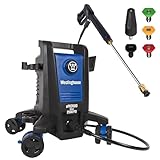
When considering pressure washing, the efficiency and continuity of your operation are paramount. At the heart of this efficiency, besides the pressure washer itself, lies your water management system. This encompasses not just the pressure washing tanks, but also the ancillary components that facilitate the storage, transport, and delivery of water. Your choice in these systems can significantly impact your productivity, the quality of your work, and ultimately, your bottom line. Like a well-oiled machine, each component must function in harmony, and the water storage system is the reservoir that fuels the entire operation.
Before delving into specific tank types, you must first critically assess your individual requirements. This foundational step is analogous to an architect drawing blueprints before laying bricks; without it, your entire structure might be flawed.
Volume Required for Different Applications
The volume of water you need is directly proportional to the scale and duration of your pressure washing tasks. A small residential driveway, for instance, demands a vastly different water capacity than a large commercial building or a fleet of vehicles. Consider the following:
- Residential Use: For occasional home cleaning, such as patios, siding, or fences, a smaller tank, perhaps 50-100 gallons, might suffice if you have a readily available water source. However, for extended sessions or when mains water pressure is low, you may require a buffer.
- Commercial Use: Professional pressure washing businesses often operate for extended periods without immediate access to mains water. Tasks like cleaning large parking lots, building exteriors, or construction equipment necessitate larger volumes, typically ranging from 200 to 500 gallons or more. Imagine trying to wash an ocean with a Dixie cup; an inadequate tank size will be your Achilles’ heel.
- Industrial Applications: For heavy-duty industrial cleaning, such as removing stubborn industrial grime or preparing surfaces for coating in factories, volumes can easily exceed 500 gallons, often reaching 1,000 gallons or even larger customized solutions. These operations are often in remote locations or require continuous flow.
Portability Versus Stationary Systems
The nature of your work dictates whether a mobile or fixed water storage solution is more appropriate. Each has its own set of advantages and challenges, much like choosing between a sprinter and a marathon runner based on the race.
- Portable Tanks: Ideal for mobile pressure washing services, these tanks are designed to be transported on trailers, truck beds, or utility vehicles. They are crucial for reaching sites without immediate water access. Aspects to consider include baffled designs (to prevent water sloshing during transit), durable materials for road travel, and secure mounting points.
- Stationary Tanks: For operations based at a fixed location, such as car washes, manufacturing plants, or equipment rental yards, stationary tanks offer larger capacities and can be integrated into a permanent plumbing system. These often serve as reservoirs for water recycling systems, offering environmental and cost benefits.
Water Source and Pressure Considerations
Your water source is a significant determinant in your tank choice and overall system design. Are you drawing from a municipal supply, a well, or potentially even reclaimed water?
- Municipal Supply: While generally reliable, municipal pressure can fluctuate. A buffer tank can help maintain consistent pressure for your pressure washer, preventing cavitation in the pump.
- Well Water: Well water often contains sediment or minerals, necessitating filtration systems to protect your pressure washer pump. The well’s recovery rate will also influence how quickly your tank can be refilled.
- Reclaimed Water: For sustainable operations, reclaimed greywater or rainwater harvesting can be utilized. This requires specialized filtration and treatment systems to prevent damage to equipment and ensure effective cleaning.
For those interested in enhancing their pressure washing setup, exploring the best pressure washing tanks and water storage systems is essential. A related article that provides valuable insights into innovative outdoor equipment is available at this link. It discusses various tools and technologies that can complement your pressure washing experience, ensuring efficiency and effectiveness in your cleaning tasks.
Key Types of Pressure Washing Tanks
The market offers a diverse array of tanks, each engineered for specific purposes. Understanding these distinctions is crucial for making an informed decision.
Polyethylene (Poly) Tanks
Polyethylene tanks are ubiquitous in the pressure washing industry due to their inherent advantages. They are the workhorses, reliable and adaptable.
- Construction and Durability: Constructed from high-density polyethylene (HDPE), these tanks are rotationally molded, resulting in a seamless, one-piece design. This process enhances their structural integrity and resistance to impacts. They are inherently corrosion-resistant, a significant advantage when storing water, especially if it contains mild detergents or chemicals.
- UV Resistance: Many poly tanks are treated with UV inhibitors, protecting them from degradation when exposed to sunlight, thus extending their lifespan. Without this, like a delicate flower in harsh sun, they would wither prematurely.
- Baffled Designs: For portable applications, baffled poly tanks are essential. Internal baffles or ribs significantly reduce water sloshing during transport, enhancing vehicle stability and reducing stress on the tank and mounting points. Imagine driving with a bathtub full of water; without baffles, chaos ensues.
- Sizes and Configurations: Poly tanks are available in an extensive range of sizes, from compact 25-gallon units to massive 1,000-gallon or larger capacities. They also come in various shapes:
- Horizontal Leg Tanks: Designed for stable mounting on flat surfaces, often trailers or truck beds.
- Vertical Tanks: Space-efficient for stationary applications or when floor space is limited.
- Pillar Tanks (Rectangular): Optimized for fitting snugly against walls or in specific cargo areas, making efficient use of space.
- Trailer Tanks: Specifically designed to integrate with pressure washer trailer setups, often featuring low-profile designs to maintain a low center of gravity.
Steel Tanks
While less common for mobile pressure washing due to weight, steel tanks offer superior strength and are often found in industrial or large-scale stationary applications. They are the Titans of water storage, unyielding and robust.
- Material Strength: Steel tanks, typically made from carbon steel or stainless steel, offer exceptional strength and rigidity. They are inherently less susceptible to physical damage compared to poly tanks.
- Corrosion Resistance: Carbon steel tanks require internal linings or coatings to prevent rust, whereas stainless steel offers inherent corrosion resistance. However, stainless steel comes at a higher cost.
- Customization: Steel tanks can be fabricated to precise dimensions and specifications, including custom fittings and access points, making them ideal for specialized industrial processes.
- Weight Considerations: The significant weight of steel tanks makes them impractical for most mobile pressure washing setups, where minimizing vehicle payload is crucial.
Aluminum Tanks
Aluminum tanks strike a balance between strength and weight, making them a niche but valuable option for specialized mobile applications. They are the nimble strongmen of the tank world.
- Lightweight Durability: Aluminum offers a lower weight-to-strength ratio compared to steel, making it a viable option when weight reduction is critical for mobile setups while still offering more rigidity than poly tanks.
- Corrosion Resistance: Aluminum naturally forms an oxide layer that provides good corrosion resistance, though specialized alloys and coatings can further enhance this.
- Cost: Aluminum tanks are generally more expensive than poly tanks due to the material cost and fabrication processes.
- Repairability: While durable, aluminum tanks can be challenging to repair compared to steel, often requiring specialized welding.
Essential Components of a complete Water Storage System

A tank is merely a vessel; a complete system requires several interconnected components to function optimally. These are the supporting cast that ensures the star performer (your pressure washer) shines.
Pumps (Transfer, Booster, and Supply)
Pumps are the heart of your water distribution. Without them, your water remains stagnant.
- Transfer Pumps: Used to move water from one location to another, for example, from a large storage tank to a smaller tank on a trailer, or for refilling your main tank from an external source. They are typically lower pressure, high-flow pumps.
- Booster Pumps: These pumps increase the water pressure from your tank to ensure a consistent and adequate supply to your pressure washer. Many pressure washers require a minimum inlet pressure to operate efficiently and prevent pump cavitation.
- Diaphragm Pumps: Often used as demand pumps for smaller systems, these pumps rely on a flexible diaphragm to move water. They are typically self-priming and can run dry for short periods without damage.
Filtration Systems
Protecting your pressure washer’s pump from abrasive particles is paramount to its longevity. Your pump is the Achilles’ heel, and filtration is its armor.
- Sediment Filters: These are the first line of defense, designed to remove larger particles such as sand, rust, and silt. They can be screen filters, cartridge filters, or spin-down filters.
- Fine Particulate Filters: For finer debris, cartridge filters with smaller micron ratings (e.g., 5-micron or 1-micron) are employed. These are crucial for protecting sensitive pump components and ensuring consistent spray patterns.
- Water Softeners: If you operate in areas with hard water, a water softener may be beneficial to prevent mineral scale buildup in your pressure washer and on the surfaces you are cleaning, especially for deionized water car washes.
- Chemical Filtration: If you are recycling wash water or using certain chemicals in your tank, specialized chemical-resistant filtration systems may be necessary.
Hoses and Fittings
The veins and arteries of your system, ensuring smooth and leak-free water flow.
- Inlet Hoses: Connect your water source to your tank, and your tank to your booster/transfer pump. These should be adequately sized to prevent flow restriction and made from durable, kink-resistant material.
- Outlet Hoses: Connect your pumps to your pressure washer. Again, proper sizing is crucial to match the flow rate requirements of your pressure washer.
- Quick Connects: Facilitate rapid and tool-free connections and disconnections, saving time and effort.
- Valves: Ball valves, gate valves, and check valves are used to control water flow, isolate sections of the system, and prevent backflow.
- Pressure Gauges: Essential for monitoring water pressure at various points in the system, allowing you to troubleshoot issues and ensure optimal performance.
Mounting and Securing Systems
For portable tanks, proper mounting is not merely a convenience; it is a safety imperative. A well-secured tank is like an anchor in a storm, keeping everything in place.
- Straps and Cradles: Heavy-duty ratchet straps and custom-designed cradles or saddles are used to secure tanks firmly to trailers or truck beds, preventing movement during transit.
- Skids: Some tanks come mounted on galvanized steel or aluminum skids, which provide a stable base and integrate tie-down points.
- Anti-Slosh Baffles (Internal): As mentioned previously, internal baffles within the tank itself are critical for mitigating water movement and maintaining vehicle stability, particularly for large-volume portable tanks.
Integrating Your Water System with Your Pressure Washer

The synergy between your water storage and your pressure washer is what determines the overall effectiveness of your setup. They are two halves of a whole.
Adequate Flow Rate and Pressure
Your tank’s outflow, facilitated by pumps and hoses, must meet or exceed the pressure washer’s GPM (gallons per minute) and PSI (pounds per square inch) requirements. Underfeeding your pressure washer can lead to:
- Pump Cavitation: The formation of vapor bubbles in the pump due to insufficient inlet pressure, which collapse and cause significant damage to internal components. This is the death knell for a pressure washer pump.
- Reduced Performance: Lower than optimal water flow will result in diminished cleaning power and efficiency.
- Overheating: Some pressure washers rely on water flow for cooling, and restricted flow can lead to overheating.
Buffer Tank Functionality
Even when connected to a municipal water supply, a buffer tank can be invaluable. It acts as a safety cushion, absorbing fluctuations and providing a consistent supply.
- Stabilizing Inlet Pressure: If your municipal water pressure is inconsistent or drops during peak demand, a buffer tank ensures a constant head pressure for your pressure washer.
- Meeting GPM Demands: Many pressure washers require a higher GPM than typical residential taps can consistently provide. A buffer tank allows the tank to fill slowly over time and then rapidly discharge the required volume to the pressure washer.
- Preventing Water Hammer: A buffer tank can help mitigate sudden pressure surges or drops (water hammer) that can occur in direct-feed systems, protecting your plumbing and pressure washer components.
Water Recycling and Re-Use Systems
For environmentally conscious and cost-effective operations, especially in commercial and industrial settings, water recycling is becoming increasingly prevalent.
- Closed-Loop Systems: These systems collect, filter, and treat the wastewater from pressure washing, then return it to the storage tank for reuse. This dramatically reduces water consumption and wastewater discharge.
- Multi-Stage Filtration: Recycling systems typically involve multiple stages of filtration (sediment, oil/water separation, chemical treatment, carbon filtration, etc.) to ensure the water is clean enough for reuse without damaging equipment or leaving residues.
- Regulatory Compliance: Implementing water recycling can help you comply with local wastewater discharge regulations, which are becoming increasingly stringent.
When considering the best pressure washing tanks and water storage systems, it’s essential to also think about safety measures for the operator. A related article discusses the importance of protective gear for safe pressure washing, highlighting the necessary equipment to ensure a secure working environment. For more insights on this topic, you can read the article on protective gear for safe pressure washing. This information complements your understanding of effective pressure washing practices.
Maintenance and Best Practices for Water Storage Systems
| Product Name | Capacity (Gallons) | Material | Dimensions (L x W x H in inches) | Weight (Empty, lbs) | UV Resistant | Portability | Best Use Case |
|---|---|---|---|---|---|---|---|
| CleanFlow Pro 200 | 200 | Polyethylene | 48 x 30 x 24 | 35 | Yes | Wheeled Cart | Residential Pressure Washing |
| HydroMax 500 | 500 | Rotational Molded Plastic | 60 x 40 x 36 | 70 | Yes | Stationary | Commercial Water Storage |
| EcoTank 150 | 150 | High-Density Polyethylene (HDPE) | 42 x 28 x 22 | 30 | Yes | Portable with Handles | Light-Duty Pressure Washing |
| ProWash 300 | 300 | Polypropylene | 54 x 32 x 28 | 50 | Yes | Trailer Mountable | Professional Pressure Washing |
| WaterSafe 1000 | 1000 | Polyethylene | 72 x 48 x 48 | 120 | Yes | Stationary | Large Scale Water Storage |
Like any critical piece of equipment, your water storage system requires diligent maintenance to ensure its longevity and reliable performance. Neglect is a corrosive agent, slowly eroding your investment.
Regular Cleaning and Inspection
Periodic cleaning and inspection are essential to prevent contamination and identify potential issues before they escalate.
- Tank Cleaning: Flush your tank regularly, especially if you are using detergents or drawing from unfiltered sources. Algae, sediment, and chemical residues can accumulate, affecting water quality and potentially clogging filters.
- Visual Inspection: Check for cracks, leaks, or signs of material degradation. For steel tanks, inspect for rust, and for poly tanks, look for hazing or warping due to UV exposure.
- Fittings and Hoses: Inspect all connections, hoses, and valves for leaks, wear, or damage. Replace worn components promptly.
Winterization Procedures
In colder climates, proper winterization is critical to prevent freeze damage. Water expands when frozen, and this expansion can rupture tanks, pumps, and hoses, turning them into expensive ice sculptures.
- Drain All Water: The most important step is to completely drain all water from the tank, pumps, hoses, and pressure washer lines.
- Use RV Antifreeze: For pumps and small lines that are difficult to drain completely, flushing with non-toxic RV antifreeze can provide additional protection.
- Store Indoors: If possible, store tanks and pressure washers in a heated or insulated garage or workshop during winter months.
- Disconnect Hoses: Disconnect all hoses to allow residual water to drain and prevent them from freezing solid.
Proper Storage and Handling
The way you store and handle your tanks impacts their lifespan and safety.
- Protection from UV: While many poly tanks are UV stabilized, prolonged exposure to intense sunlight can still degrade the material over time. Store tanks under cover or use a protective tarp when not in use.
- Level Surface: When storing stationary tanks, ensure they are on a level, stable surface to prevent stress points and potential tipping.
- Avoid Overfilling: While tempting to maximize capacity, avoid overfilling tanks, especially in hot weather, as water expansion can stress tank walls. Similarly, account for water weight when transporting.
In conclusion, your choice and management of pressure washing tanks and water storage systems are not mere afterthoughts; they are integral to the success and sustainability of your pressure washing operations. By understanding your specific needs, selecting appropriate tank types, integrating essential components, and committing to regular maintenance, you ensure a reliable, efficient, and long-lasting heart for your pressure washing enterprise. You are, in essence, building the very foundation upon which your cleaning prowess rests.




Leave a Reply