Maintaining a pristine exterior for your residence is a task that often requires dedicated tools to tackle the accumulated grime that can mar the appearance of expansive concrete or asphalt surfaces. Your driveway, a significant horizontal canvas of your property, can become a repository for oil stains, tire marks, moss, mildew, and general dirt. While a standard pressure washer wand can eventually accomplish the job, the process can be arduous, time-consuming, and may lead to an uneven finish. This is where dedicated surface cleaners, particularly those designed for large driveways, become invaluable allies. These attachments act as powerful, focused cleaning machines, ensuring a uniform and efficient removal of stubborn contaminants.
The efficacy of a pressure washer surface cleaner lies in its fundamental design. Imagine a miniature hovercraft, but instead of gliding over water, it glides over your driveway, enveloped in a high-pressure water spray. This is a useful analogy to grasp the core principle. These attachments typically consist of a circular housing, often made of durable plastic or metal, beneath which rotating spray nozzles are housed. The housing serves a dual purpose: it contains the water spray, preventing it from splashing outwards and creating a mess that would require further cleanup, and it creates a slight upward pressure, akin to the air cushion on a hovercraft, which allows the cleaner to glide smoothly over the surface.
The Importance of Rotating Nozzles
At the heart of any effective surface cleaner are its rotating nozzles. Instead of a single, static jet of water, which can easily leave streaks and uneven cleaning patterns, the nozzles within the surface cleaner spin at high speeds. This dynamic movement ensures that the entire area beneath the housing is subjected to a consistent and overlapping spray. Think of it like a painter using a broad, sweeping brush versus a small, pointed one; the broad, sweeping motion, enabled by the rotating nozzles, covers more ground evenly and efficiently. The pressure from your pressure washer forces water through these nozzles, and the centrifugal force generated by their rotation creates a powerful cleaning vortex. The speed of rotation and the angle of the nozzles are calibrated to optimize cleaning power while minimizing the risk of damaging the driveway surface.
The Role of the Housing and Seals
The enclosure, often referred to as the shroud or skirt, plays a critical role in the functionality and efficiency of the surface cleaner. This is the part you see gliding over the driveway. Its primary function is to trap the water and debris spray within its confines. This containment is crucial for several reasons. Firstly, it directs the cleaning power downwards, maximizing its impact on the surface. Secondly, it prevents the messy overspray that is a common issue with using a wand alone. Imagine trying to wash a car with a hose that has no nozzle – water goes everywhere. The housing acts as a “nozzle” for the entire cleaning head, concentrating the water’s energy. High-quality surface cleaners will feature durable, flexible seals around the base of the housing. These seals, often made of rubber or similar resilient materials, create a tighter barrier against the surface, further minimizing any potential for water or dirt to escape. A good seal is like the well-fitted lid on a pot; it keeps the steam (or in this case, cleaning power) concentrated where you want it.
Pressure and Flow Rate Considerations
While the surface cleaner itself is a crucial component, its performance is intrinsically linked to the capabilities of your pressure washer. The volume of water your pressure washer can deliver (measured in gallons per minute or liters per minute) and the pressure it generates (measured in pounds per square inch or bars) are critical factors. Surface cleaners designed for large driveways typically require a minimum pressure and flow rate to operate effectively and to facilitate smooth gliding. Attempting to use a robust surface cleaner with an underpowered pressure washer is akin to trying to push a fully loaded wheelbarrow up a steep hill with a weak engine; it will struggle and deliver subpar results. Manufacturers usually specify the recommended pressure washer requirements for their surface cleaners, and it is essential to match these to your equipment. Consistent water flow is vital; it’s the lifeblood that powers the rotating nozzles and enables the cleaner to perform its duties.
If you’re looking to enhance your outdoor cleaning routine, you might also be interested in exploring the benefits of leaf mulching. For a comprehensive overview, check out the article on the top 10 best leaf mulchers for your yard, which provides valuable insights into how these tools can help maintain your garden while complementing your pressure washing efforts. You can read more about it here: The Ultimate Guide to Leaf Mulching.
Essential Features for Large Driveway Surface Cleaners
When selecting a surface cleaner specifically for the considerable expanse of a large driveway, certain features distinguish the effective from the merely functional. These are the elements that will transform the often-tedious chore into a manageable and efficient operation.
Diameter of the Cleaning Head
The most significant distinguishing feature for a large driveway surface cleaner is its diameter. While smaller surface cleaners, perhaps suitable for patios or walkways, might have cleaning paths of 12 to 15 inches, those optimized for large driveways typically range from 18 to 24 inches or even larger. This expanded cleaning width is not merely about getting the job done faster; it’s about achieving a more uniform finish across a vast area. Imagine painting a fence with a wide roller versus a small paintbrush; the roller covers significantly more area with each stroke, leading to a more consistent application. A wider cleaning head reduces the number of passes required, minimizing the chances of creating visible seams or unevenly cleaned areas. Each pass with a wider cleaner covers a greater swathe of the driveway, bringing you closer to a finished, uniform appearance in fewer steps.
Swiveling and Pivoting Joints
The ability of the surface cleaner to adapt to the contours and irregularities of your driveway is paramount. Driveways are rarely perfectly flat. They can have slight slopes, minor undulations, or even expansion joints. Surface cleaners equipped with robust swiveling and pivoting joints allow the cleaning head to maintain consistent contact with the ground, even over these minor imperfections. This is crucial for preventing the cleaner from digging into one area while leaving another uncleansed. Think of a dancer’s ability to adapt their steps to the rhythm and flow of the music; a surface cleaner with good articulation can similarly adapt to the “rhythm” of your driveway’s surface. A well-designed joint ensures that the housing remains relatively level, allowing the rotating nozzles to work their magic evenly across the entire cleaning path. This adaptability is particularly important on older driveways that may have settled or experienced minor cracking.
Integrated Water Jets or Scrubbing Brushes
Some high-end surface cleaners go beyond simply rotating nozzles and incorporate additional cleaning mechanisms. You might find integrated water jets positioned around the perimeter of the housing. These jets can help to lift embedded dirt or dislodge stubborn debris before the main rotating nozzles come into full effect. Others may feature stiff, integrated scrubbing brushes along the edge of the housing. These brushes can provide a more aggressive mechanical action, particularly useful for removing caked-on mud or algae. Imagine these brushes as the pre-scrubbing step before a deep clean; they work to loosen tenacious grime, making the subsequent high-pressure water spray even more effective. This multi-pronged approach can significantly enhance the cleaning power and reduce the need for multiple passes or pre-treatment.
Durability and Material Construction
Given the demanding nature of outdoor cleaning and the potential for impact with stones or debris, the material construction of the surface cleaner is a critical consideration for longevity. Look for models constructed from high-impact plastics or, for added durability, aluminum or stainless steel. The housing should be robust enough to withstand accidental bumps against curbs or walls. The internal components, particularly the rotating arm and nozzle assembly, should also be made of corrosion-resistant materials to ensure longevity in a wet environment. A well-built surface cleaner is an investment, much like a sturdy foundation for a house; it is designed to withstand pressure and endure the elements over time. The quality of the seals and any internal bearings are also indicators of a durable unit.
Top Bar Pressure Washers for Large Driveway Cleaning

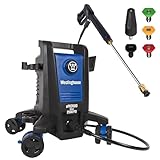
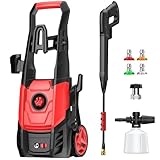
While the surface cleaner is the attachment, the pressure washer itself is the engine that drives it. For large driveways, you need a pressure washer that can provide both the necessary pressure and water flow rate to make the surface cleaner perform optimally. This section focuses on the types of pressure washers best suited for powering these larger cleaning attachments.
Electric Pressure Washers: A Viable Option for Moderate Driveways
Electric pressure washers have become increasingly powerful and efficient in recent years, making them a viable option for homeowners with moderately sized large driveways. These units typically offer pressure ratings between 1,500 and 2,800 PSI and flow rates of 1.4 to 2.2 GPM. While they may not match the raw power of their gas-powered counterparts, they are generally lighter, quieter, and easier to maneuver. For concrete driveways that are not excessively stained or heavily soiled, a good quality electric pressure washer paired with a 18-20 inch surface cleaner can deliver satisfactory results. The absence of emissions also makes them an environmentally friendlier choice. Think of an electric pressure washer as a highly efficient, modern bicycle – it’s great for covering ground effectively, especially on less arduous terrain. However, if your driveway is a mountain of grime, you might need a more robust solution.
Gas-Powered Pressure Washers: The Workhorses for Heavy-Duty Cleaning
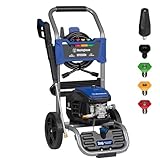
For truly expansive driveways, heavily soiled surfaces, or those with deeply embedded stains such as oil or grease, gas-powered pressure washers are the undisputed workhorses. These machines offer superior power, with pressure ratings often exceeding 3,000 PSI and flow rates of 2.5 GPM and above. This increased power translates directly into faster cleaning times and the ability to tackle the most stubborn contaminants. A gas-powered unit with a high flow rate will allow a larger diameter surface cleaner (20-24 inches) to operate at its peak efficiency, gliding smoothly and cleaning thoroughly. Consider a gas-powered pressure washer as a powerful truck – it’s built for heavy hauling and can tackle the toughest jobs with ease.
Engine Size and Horsepower Equivalents
The engine size and horsepower of a gas-powered pressure washer are directly correlated to its output. Generally, a larger engine displacement and higher horsepower will translate to higher PSI and GPM ratings. For larger driveway cleaning, look for gas engines with at least 5.5 HP, with 6.5 HP and above being ideal. This is akin to choosing the right engine for a vehicle; a more powerful engine allows for greater capability. Don’t just look at the PSI; a higher GPM is crucial for surface cleaners, as it facilitates the rapid rotation of the nozzles and the efficient removal of debris. Manufacturers often provide equivalency charts, but a good rule of thumb is that more power generally means more effective cleaning for large areas.
Maintenance and Operational Considerations
While gas-powered pressure washers offer immense cleaning power, they also require more diligent maintenance. Regular oil changes, air filter cleaning, and spark plug checks are essential to ensure optimal performance and longevity. You’ll also need to consider fuel storage and the operation of the engine, including proper ventilation. This is the trade-off for raw power; these machines are more complex and require a greater understanding of their mechanics. It’s like owning a classic sports car – it offers unparalleled performance but demands attentive care.
Honda Engines: A Benchmark for Reliability
When considering gas-powered pressure washers, engines from manufacturers like Honda often stand out for their renowned reliability, durability, and fuel efficiency. A Honda engine is a mark of quality, providing a consistent and powerful performance that is crucial for demanding tasks like large driveway cleaning. If you see a pressure washer advertised with a Honda engine, it’s generally a good indicator of a machine built to last and perform under pressure.
Popular Surface Cleaner Models for Large Driveways

Navigating the market for a surface cleaner can feel like traversing a vast landscape of options. However, certain models have consistently demonstrated their effectiveness and durability for large driveway applications. These represent well-regarded choices that have earned their place through performance.
Simpson Cleaning Surface Scrubber
Simpson is a well-known name in the pressure washing industry, and their surface scrubbers are often praised for their robust construction and effective cleaning capabilities. Models like the Simpson MegaShot MSH3125-S often come paired with a 15-inch or 19-inch surface cleaner, which can be suitable for moderately sized large driveways. You might need to opt for a larger dedicated surface cleaner attachment for truly expansive areas. Their products are generally built with durable materials and are designed for ease of use. Think of Simpson as a reliable utility vehicle – it gets the job done dependably.
Construction and Durability Aspects
Simpson products are typically constructed with heavy-duty steel wands and durable plastic housings for the surface cleaners. The rotating bar assembly is usually made of metal for longevity. Their commitment to quality materials helps them withstand the rigors of regular use, including contact with abrasive debris. This focus on construction quality translates into a longer lifespan for the product.
Sun Joe Electric Pressure Washer Surface Cleaner Attachment
Sun Joe offers a range of electric pressure washer accessories, including surface cleaner attachments. Their electric models are often designed to be lightweight and compatible with their own line of electric pressure washers, or other brands with compatible fittings. While generally more affordable, they might be best suited for smaller “large” driveways or for those using less powerful electric pressure washers. They represent a more budget-conscious option, like a dependable commuter car – efficient for everyday tasks but perhaps not for extreme conditions.
Universal Fit vs. Brand Specific Attachments
When looking at Sun Joe or similar brands, pay close attention to whether the surface cleaner is a universal fit or brand-specific. Universal attachments often come with a variety of adapter fittings to connect to different pressure washer wands. This flexibility makes them a good choice if you have a pressure washer from a less common brand or if you plan to use the attachment with different machines.
AR North America Surface Cleaners
AR North America offers a comprehensive range of pressure washer accessories, including surface cleaners that are well-regarded for their performance. Some of their models are designed with wider cleaning paths, making them suitable for larger residential driveways. They often focus on achieving a good balance between cleaning power and maneuverability. This is akin to a versatile SUV – capable of handling various terrains and tasks effectively.
Nozzle Configuration and Cleaning Efficiency
The specific nozzle configuration within an AR North America surface cleaner can vary, affecting the intensity and spread of the water spray. Higher-end models might feature dual rotating nozzles for a more uniform and powerful cleaning action. The efficiency of cleaning is directly tied to how well these nozzles are designed to work within the contained housing.
If you’re looking to enhance your outdoor cleaning routine, you might find it helpful to explore a related article on removing mold from your home’s siding. This informative guide provides a step-by-step approach that complements the use of pressure washer surface cleaners for large driveways, ensuring your entire exterior looks pristine. To read more about effective mold removal techniques, check out the article here.
Maintaining Your Surface Cleaner for Optimal Performance
| Model | Cleaning Width | Pressure Rating (PSI) | Flow Rate (GPM) | Material | Weight (lbs) | Price Range | Best For |
|---|---|---|---|---|---|---|---|
| BE Pressure 20″ Surface Cleaner | 20 inches | Up to 4000 PSI | Up to 5 GPM | Aluminum | 15 | Mid-range | Large driveways, patios |
| Briggs & Stratton 20″ Surface Cleaner | 20 inches | Up to 3200 PSI | Up to 4 GPM | Aluminum | 14 | Mid-range | Driveways, decks |
| MTM Hydro 20″ Surface Cleaner | 20 inches | Up to 4000 PSI | Up to 5 GPM | Aluminum | 16 | High-end | Large commercial driveways |
| Twinkle Star 20″ Surface Cleaner | 20 inches | Up to 4000 PSI | Up to 5 GPM | Aluminum | 15 | Budget | Residential driveways |
| Sun Joe SPX-SC Surface Cleaner | 15 inches | Up to 2030 PSI | Up to 1.76 GPM | Plastic & Aluminum | 8 | Budget | Small to medium driveways |
Just as your car requires regular servicing, your pressure washer surface cleaner needs attention to ensure it continues to perform at its best. Neglecting maintenance can lead to reduced cleaning power, premature wear, and ultimately, a shorter lifespan for the attachment. This is about preserving your investment and ensuring consistently clean results.
Cleaning After Each Use
The most crucial step in surface cleaner maintenance is a thorough cleaning immediately after each use. This involves rinsing the housing and the intake port to remove any loose debris, dirt, or grit that may have accumulated. Grit can be the enemy of rotating parts, much like sand in a delicate gear mechanism. Dried mud can harden and become difficult to remove, potentially obstructing the rotating arm or the nozzles themselves. Think of this as wiping down your tools after a woodworking project; it keeps them in good working order for the next time.
Rinsing the Housing and Nozzle Assembly
After disconnecting the surface cleaner from the pressure washer, use a garden hose to thoroughly rinse the underside of the housing. Pay particular attention to the area where the rotating arm enters the housing, and ensure that no debris is lodged around the nozzles. Some surface cleaners may have removable covers or screens that should be cleaned separately.
Inspecting and Replacing Worn Parts
Over time, certain components of your surface cleaner may wear out. The seals around the housing are particularly prone to wear and tear from constant contact with the ground. If you notice excessive water leakage from the sides of the housing, it’s a sign that the seals may need to be replaced. Similarly, the nozzles themselves can become worn or clogged, reducing their effectiveness.
Checking for Nozzle Clogs and Wear
Periodically, inspect the nozzles for any signs of clogging or wear. Blockages can often be cleared with a thin wire or a specialized nozzle cleaning tool. If a nozzle appears significantly worn or damaged, it may be necessary to replace it. Most manufacturers offer replacement nozzle kits for their surface cleaners, and this is a relatively simple and cost-effective repair. A worn nozzle is like a dull knife; it can’t cut through the grime effectively.
Storing Your Surface Cleaner Properly
Proper storage is vital for protecting your surface cleaner from the elements and preventing damage. Ideally, store your surface cleaner in a dry, protected area, such as a garage or shed, away from direct sunlight and extreme temperatures. If you live in an area with freezing temperatures, ensure the unit is completely drained of water to prevent internal damage from ice expansion.
Winterization for Cold Climates
If you live in a region that experiences freezing temperatures, winterization is a critical step. After thoroughly cleaning and drying the unit, you may want to consider flushing it with a pressure washer safe antifreeze solution. This will displace any remaining water and prevent it from freezing and damaging the internal components. This proactive step is like insuring your valuables; it protects them from potential disaster.
Advanced Techniques and Tips for Large Driveway Cleaning
Beyond simply attaching a surface cleaner and applying pressure, there are several advanced techniques and tips that can elevate your driveway cleaning from a chore to a professional-level operation. These strategies are about maximizing efficiency, achieving superior results, and protecting your driveway.
Pre-treatment of Stubborn Stains
For particularly stubborn stains, such as deep oil spots, tire marks, or areas with significant moss and algae growth, pre-treatment can significantly enhance the effectiveness of your surface cleaner. Employing a degreaser specifically designed for concrete or asphalt, or a strong mildew cleaner, can help to break down these contaminants before you even begin the pressure washing process.
Using Degreasers and Mildew Removers
Apply the chosen cleaner according to the manufacturer’s instructions. Allow it to dwell for the recommended time, giving it the opportunity to penetrate and loosen the stain. Then, as you pass the surface cleaner over the pre-treated area, the combined action of the chemicals and the high-pressure water will result in a much more thorough and effective removal of the stain. Think of pre-treatment as softening butter before spreading it; it makes the final application smoother and more effective.
The Importance of Overlapping Passes
One of the most common mistakes when using a surface cleaner, especially on large areas, is not overlapping your passes sufficiently. Each pass with the surface cleaner should overlap the previous one by at least a third of the cleaning path. This ensures that there are no visible lines or missed spots left behind.
Creating a Seamless Finish
This overlapping is crucial for achieving a uniform, seamless appearance. Imagine laying down shingles on a roof; each shingle needs to overlap the one below it to create a waterproof barrier. Similarly, overlapping your surface cleaner passes ensures complete coverage and prevents patchy results. This meticulous approach will make your driveway look like it was professionally cleaned.
Considering the Age and Material of Your Driveway
The age and material of your driveway are important factors to consider when selecting and using a surface cleaner. Older concrete driveways may be more porous and susceptible to damage from excessively high pressure. Similarly, asphalt driveways have different cleaning requirements than concrete.
Concrete vs. Asphalt Cleaning Considerations
For concrete, you generally have more leeway with pressure. However, always start with a lower pressure setting if unsure and gradually increase if needed. For asphalt, it’s crucial to use lower pressure settings and avoid overly aggressive cleaning. High pressure can strip the aggregate from asphalt, causing permanent damage. Surface cleaners are generally safe for both, but the power of your pressure washer and the duration of cleaning need to be adjusted accordingly. Understanding the composition of your driveway is like understanding the dietary needs of a plant; you need to cater to its specific requirements for optimal health.
Maintaining a Consistent Speed
Maintaining a consistent speed as you move the surface cleaner across the driveway is essential for an even finish. Avoid stopping or lingering in one spot for too long, as this can lead to uneven cleaning patterns or even surface etching, especially with aggressive nozzle settings.
Avoiding Streaks and Etching
Move the surface cleaner at a steady pace, allowing the rotating nozzles to do their work. If you find yourself needing to pause, lift the surface cleaner slightly off the ground to stop the cleaning action. This controlled movement ensures that the water jets are constantly working on fresh sections of the driveway, preventing the dreaded streaks that can mar an otherwise clean surface. A consistent pace is like a steady hand on a paintbrush; it guarantees a smooth, unbroken stroke.




Leave a Reply