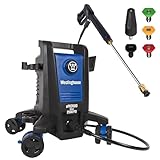
Electric pressure washers provide numerous advantages for outdoor cleaning tasks. Their lightweight, compact design enhances maneuverability compared to gas-powered alternatives. Users can simply connect them to standard electrical outlets, eliminating fuel requirements and complex startup procedures.
This straightforward operation enables immediate cleaning of vehicles, patios, driveways, and other surfaces. The significantly quieter operation of electric pressure washers represents another key benefit. These units produce substantially lower noise levels than their gas counterparts, preventing disturbances to neighbors, children, and pets.
This feature proves particularly valuable in residential neighborhoods and other densely populated settings. Furthermore, electric pressure washers generate fewer emissions, offering an environmentally responsible alternative for environmentally conscious consumers.
Key Takeaways
- Electric pressure washers offer efficient cleaning with lower noise and zero emissions compared to gas models.
- Key factors in choosing an electric pressure washer include pressure rating, flow rate, and intended use.
- Proper usage techniques and regular maintenance enhance the performance and lifespan of electric pressure washers.
- Electric pressure washers have a smaller environmental footprint, making them a greener cleaning option.
- Safety precautions, such as wearing protective gear and avoiding electrical hazards, are essential when operating these devices.
Factors to Consider When Choosing an Electric Pressure Washer
Selecting the right electric pressure washer involves several key factors that can significantly impact your cleaning experience. First and foremost, you should consider the pressure rating, measured in pounds per square inch (PSI). The higher the PSI, the more powerful the washer will be, allowing you to tackle tougher stains and dirt.
For light cleaning tasks like washing cars or patio furniture, a model with 1300 to 2000 PSI is usually sufficient. However, if you plan to clean driveways or decks regularly, you might want to opt for a unit that offers 2000 PSI or more. Another important factor is the flow rate, measured in gallons per minute (GPM).
A higher GPM means that the washer can deliver more water, which can enhance cleaning efficiency. For most residential tasks, a flow rate of 1.5 to 2.5 GPM is ideal. Additionally, consider the length of the power cord and hose; longer lengths provide greater flexibility and reach, allowing you to clean larger areas without constantly moving the unit.
Lastly, think about the accessories that come with the washer. Nozzles with different spray patterns can help you customize your cleaning experience for various surfaces and tasks.
Top 5 Electric Pressure Washers on the Market

When it comes to choosing an electric pressure washer, several models stand out in terms of performance, reliability, and user satisfaction. One of the top contenders is the Sun Joe SPX3000. With a powerful 2030 PSI and a 1.76 GPM flow rate, this model is versatile enough for various cleaning tasks.
It also features multiple spray nozzles and a detergent tank, making it easy to switch between different cleaning applications. Another excellent option is the Greenworks GPW1501. This compact model offers 1500 PSI and 1.2 GPM, making it perfect for light-duty tasks like washing cars or outdoor furniture.
Its lightweight design and easy-to-use features make it a favorite among homeowners who want an efficient yet portable solution for their cleaning needs. The AR Blue Clean AR383 is also worth mentioning for its robust performance and durability. With a maximum pressure of 1900 PSI and a flow rate of 1.5 GPM, this model is well-suited for medium-duty jobs.
Its aluminum pump ensures longevity, while its compact design makes storage a breeze. For those looking for a budget-friendly option without sacrificing quality, the Powerhouse International PH1455 is an excellent choice. It delivers 1450 PSI and 1.6 GPM, making it effective for various cleaning tasks around the home.
Its lightweight design and easy assembly make it accessible for users of all skill levels. Lastly, the Ryobi RY142300 is another top performer in the electric pressure washer market. With 2300 PSI and 1.2 GPM, this model is powerful enough for heavy-duty cleaning tasks while still being user-friendly.
Its onboard storage for accessories and adjustable spray nozzle add to its appeal.
How to Properly Use an Electric Pressure Washer for Maximum Efficiency
To get the most out of your electric pressure washer, it’s essential to understand how to use it effectively. Start by preparing the area you plan to clean; remove any obstacles such as furniture or debris that could hinder your progress. Next, ensure that you have all necessary attachments and accessories ready to go.
Familiarize yourself with the different spray nozzles available; each one serves a specific purpose and can significantly affect your cleaning results. When you’re ready to begin washing, always start with the widest spray pattern before gradually narrowing it down as needed. This approach helps prevent damage to surfaces while allowing you to assess how much pressure is required for effective cleaning.
Maintain a consistent distance from the surface you’re cleaning—typically around 12 inches—to avoid streaks or damage. Additionally, it’s advisable to work from the top down; this method allows dirt and debris to fall away from cleaned areas rather than re-soiling them.
Maintenance Tips for Electric Pressure Washers
| Model | PSI (Pressure) | GPM (Flow Rate) | Power Source | Weight (lbs) | Price Range | Best For |
|---|---|---|---|---|---|---|
| Sun Joe SPX3000 | 2030 | 1.76 | Electric | 31 | 100-150 | Home use, light to medium cleaning |
| Greenworks GPW1501 | 1500 | 1.2 | Electric | 20 | 80-120 | Small jobs, patio furniture, cars |
| AR Blue Clean AR383 | 1900 | 1.5 | Electric | 27 | 120-160 | Medium cleaning, decks, driveways |
| Karcher K5 Premium | 2000 | 1.4 | Electric | 30 | 250-300 | Heavy-duty home cleaning |
| Ryobi RY141900 | 2000 | 1.2 | Electric | 27 | 150-200 | General home cleaning |
Proper maintenance is crucial for ensuring the longevity and efficiency of your electric pressure washer. One of the first steps in maintenance is regular cleaning of the unit itself. After each use, take a moment to rinse off any dirt or debris that may have accumulated on the exterior and around the nozzle area.
This simple task can prevent clogs and ensure optimal performance during future uses. Another essential maintenance tip is to check the hoses and connections regularly for any signs of wear or damage. Cracks or leaks can significantly reduce performance and may even pose safety risks during operation.
If you notice any issues, replace those parts promptly to avoid further complications. Additionally, consider storing your pressure washer in a dry place when not in use; this practice helps protect it from moisture damage and prolongs its lifespan.
The Environmental Impact of Using Electric Pressure Washers

Electric pressure washers are often touted as a more environmentally friendly alternative to gas-powered models, and there are several reasons for this distinction. First and foremost, electric models produce zero emissions during operation, which means they do not contribute to air pollution or greenhouse gas emissions like their gas counterparts do. This feature makes them an excellent choice for eco-conscious consumers who want to minimize their environmental impact while still achieving effective cleaning results.
Moreover, electric pressure washers typically consume less water than traditional methods of cleaning, such as hoses or buckets. The high-pressure jets allow you to use less water while still achieving superior results, which can be particularly beneficial in areas facing water scarcity issues. By choosing an electric pressure washer, you are not only making a smart choice for your cleaning needs but also contributing positively to environmental conservation efforts.
Safety Precautions When Using Electric Pressure Washers
While electric pressure washers are generally safe to use, it’s essential to follow specific safety precautions to protect yourself and others during operation. First and foremost, always wear appropriate personal protective equipment (PPE), including safety goggles and gloves. These items will help shield you from debris that may be dislodged during cleaning and protect your skin from high-pressure water jets.
Additionally, be mindful of your surroundings while using the pressure washer. Avoid directing the spray at people, pets, or fragile objects that could be damaged by high-pressure water. It’s also crucial to ensure that electrical connections are secure and protected from water exposure; using an extension cord rated for outdoor use can help mitigate risks associated with electrical hazards.
Comparing Electric Pressure Washers to Gas-Powered Pressure Washers
When deciding between electric and gas-powered pressure washers, it’s essential to weigh their respective pros and cons based on your specific needs and preferences. Electric pressure washers are generally more user-friendly; they require less maintenance and are easier to start since they simply plug into an outlet. Their quieter operation also makes them suitable for residential areas where noise levels may be a concern.
On the other hand, gas-powered pressure washers typically offer higher PSI ratings and greater mobility since they don’t rely on electrical outlets for power. This feature makes them ideal for heavy-duty tasks or larger areas where access to electricity may be limited. However, they come with drawbacks such as higher emissions, increased noise levels, and more complex maintenance requirements.
Ultimately, your choice will depend on your cleaning needs, budget constraints, and environmental considerations. By carefully evaluating these factors, you can make an informed decision that best suits your lifestyle while ensuring effective cleaning results.
If you’re looking for the best electric pressure washer to tackle tough cleaning tasks, you might find it helpful to check out the article on the pressure washer cleaning power chart. This resource provides valuable insights into the different power levels of pressure washers and how they can affect your cleaning efficiency, helping you make an informed decision on which model suits your needs best.




Leave a Reply