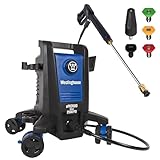
You’ve stood there, a brand new pressure washer hum of potential in your hands, ready to blast away grime. The sun is shining, the task is clear: reclaim your patio, revitalize your siding, transform your neglected vehicle. But then, it happens. What was meant to be a streamlined operation devolves into a frustrating wrestling match. That hose, that seemingly innocent conduit of cleaning power, has become a serpentine adversary, coiling and knotting itself into an impassable thicket. You, the operator, are trapped in a Gordian knot of your own making, the pressure washer’s roar now a mocking symphony to your mounting irritation.
This is not an uncommon plight. The pressure washer hose is the unsung hero and, at times, the arch-nemesis of your cleaning endeavors. Its primary function is simple: deliver pressurized water from the pump to the wand. Yet, its propensity for kinking transforms it from a tool of liberation into an instrument of delay, a constant reminder that even the most straightforward tasks can be sabotaged by inferior equipment. You desire efficiency, a clean outcome without the extraneous battle against your own tools. You seek hoses that act as willing partners, not obstinate serpents. You are looking for the ultimate non-kinking pressure washer hoses.
This article aims to guide you through the landscape of pressure washer hoses, specifically focusing on those engineered to resist the infuriating phenomenon of kinking. We will dissect the materials, construction, and technologies that contribute to a hose’s ability to remain flexible and unhindered, allowing you to focus on the dirt, not the delivery system.
Before you can conquer the kink, you must first understand its genesis. Kinking in pressure washer hoses is not a random act of malice by the material; it is a consequence of physics and material properties interacting with usage. Imagine the hose as a roadmap for water. A kink is essentially a sharp, unintended bend that obstructs the flow, much like a sudden, unannounced detour on your journey.
The Material’s Role: Flexibility vs. Rigidity
The fundamental building block of any pressure washer hose is its material. This material dictates its inherent flexibility and its susceptibility to permanent deformation.
Polymers and Elastomers: The Core Ingredients
Most pressure washer hoses are constructed from synthetic polymers and elastomers. These are the workhorses, providing both strength and a degree of pliability.
PVC (Polyvinyl Chloride)
PVC is a common and cost-effective material. In its raw form, it can be quite rigid. To enhance flexibility, plasticizers are added. However, the amount and type of plasticizer can affect the hose’s long-term flexibility and its tendency to harden over time, especially in colder temperatures. Lower-quality PVC hoses may become brittle, making them more prone to sharp bends that form kinks.
Rubber and Synthetic Rubber Compounds
Rubber, both natural and synthetic, offers superior flexibility compared to PVC. Various synthetic rubber compounds, such as NBR (Nitrile Butadiene Rubber) or EPDM (Ethylene Propylene Diene Monomer), are often employed. These materials possess inherent elasticity, meaning they can stretch and bend without permanent deformation.
- NBR: Known for its oil and abrasion resistance, NBR is a robust choice. Its flexibility is generally good, but improper manufacturing or exposure to extreme temperatures can still lead to kinking issues.
- EPDM: EPDM offers excellent resistance to ozone and weathering, making it a durable option. Its flexibility is also a key characteristic, contributing to kink resistance.
Polyurethane
Polyurethane is a versatile polymer known for its exceptional abrasion resistance and flexibility. It often strikes a good balance between durability and the ability to bend without collapsing. Hoses made from high-quality polyurethane are generally considered premium and offer superior kink resistance.
Hybrid Materials
Some manufacturers employ hybrid materials, blending different polymers to achieve specific properties. These formulations aim to combine the strengths of various materials, such as the abrasion resistance of polyurethane with the cold-weather flexibility of certain synthetic rubbers.
The Construction of Defense: Reinforcement Layers
A pressure washer hose is not a single, monolithic tube. To withstand the immense pressure and the stresses of use, it is typically constructed with multiple layers. These reinforcement layers are crucial in preventing the hose from bursting and, importantly, in maintaining its structural integrity against kinking.
Inner Core: The Water’s Highway
The inner core is the layer that directly contacts the pressurized water. It needs to be smooth to facilitate flow and resistant to degradation from the water itself and any cleaning agents you might be using. The material of the inner core contributes to the overall flexibility but is usually less critical for kink resistance than the outer layers.
Reinforcement Layers: The Skeletal Support
This is where the battle against kinking is most directly addressed. These layers act as a network of internal tension, resisting the forces that would cause the hose to buckle and fold.
Textile Braiding
Textile braiding, typically made from polyester or nylon fibers, is a common reinforcement method. The fibers are woven in a crisscross pattern.
- Single Braid: A single layer of braided fibers provides a basic level of reinforcement. While it adds strength, it can still be susceptible to kinking in lower-quality hoses or under extreme stress.
- Double Braid: Two layers of braided fibers, often oriented in opposite directions, offer significantly improved pressure handling and kink resistance. The interlocking nature of the crisscrossed braids helps to distribute stress and prevent the hose from collapsing inward. This is a significant step up in performance.
Wire Reinforcement
For higher-pressure applications, steel wire braiding or spiral winding is often employed. This provides substantial reinforcement, making the hose less likely to deform under pressure.
- Steel Wire Braid: Braided steel wire offers exceptional strength and rigidity, making it highly resistant to kinking. It’s a common feature in heavy-duty or professional-grade hoses.
- Steel Wire Spiral: Steel wire wound in a spiral pattern can also provide substantial reinforcement. The way the wire is wound can influence the hose’s flexibility and its resistance to kinking.
Outer Cover: The Shield Against the Elements
The outer cover protects the inner layers from physical damage, abrasion, and environmental exposure. While its primary role isn’t kink resistance, the flexibility and durability of the outer cover material can indirectly influence how easily the hose bends and whether it retains a shape that leads to kinking.
If you’re looking to enhance your pressure washing experience, you might find it helpful to read about how to maximize cleaning power with a reliable pressure washer. For more insights on optimizing your pressure washer’s performance, check out this informative article on maximizing cleaning power with Worx pressure washers. It provides valuable tips that complement the selection of the best pressure washer hoses that don’t kink, ensuring you achieve the best results while cleaning.
Identifying Kink-Resistant Hose Features
Now that you understand the underlying principles, let’s focus on the characteristics you should look for when selecting a pressure washer hose designed to resist kinking. These are not abstract concepts; they are tangible features that translate into a smoother, more efficient cleaning experience for you.
The Material Science of Bendability
The choice of materials is paramount. A hose that can bend without creating sharp angles is a hose that won’t kink.
High-Quality Elastomers and Polymers
As discussed, premium synthetic rubbers and high-grade polyurethane are your allies. Look for hoses explicitly stating the use of these materials.
- Explicit Flexibility Claims: Manufacturers will often highlight the flexibility of their hoses. Phrases like “highly flexible,” “cold-weather flexibility,” or “stays flexible in all temperatures” are good indicators.
- Smooth, Non-Cracking Surface: A good quality hose material will maintain its supple nature. If you notice a hose becoming stiff or showing signs of cracking, it’s likely to kink more easily.
The Architecture of Reinforcement
The internal structure of the hose is where the real magic happens in preventing kinks.
Multi-Braid Construction: The Interlocking Shield
This is one of the most reliable indicators of kink resistance.
- Double or Triple Braiding: Prioritize hoses with at least double textile braiding. For demanding applications, triple braiding or wire reinforcement will offer even greater resilience. You can often see the weave of the braiding through the outer cover, even if it’s not entirely transparent.
- Tight Weave: A tightly woven braid is more effective at distributing stress and preventing the hose from collapsing than a loose, open weave.
Wire Spiral and Braid: The Steel Backbone
For professional-grade or heavy-duty use, hoses incorporating steel wire are superior in their resistance to kinking and bursting.
- Appropriate for Pressure Rating: Ensure the wire reinforcement is suitable for the pressure rating of your pressure washer. A hose with inadequate reinforcement is like a bridge built for light traffic on a highway meant for supertankers – it’s bound to fail.
Design Innovations for Kink Prevention
Beyond materials and reinforcement, some hoses incorporate specific design elements aimed at minimizing kinks.
Swivel Fittings: The Freedom to Rotate
A common cause of kinks is the hose twisting upon itself as you maneuver. Swivel fittings allow the hose to rotate independently of the wand and the pump, preventing twists from propagating down the length of the hose.
- 360-Degree Swivel: Ensure the swivel fittings offer full 360-degree rotation. This allows for unrestricted movement and significantly reduces the likelihood of tangles.
- Durable Materials for Fittings: The fittings themselves should be made of high-quality brass or stainless steel to prevent corrosion and ensure smooth operation over time.
Bend Restrictors: The Gentle Guardians
Some hoses come with integrated bend restrictors or have external ones that can be attached. These are usually molded rubber or plastic sleeves at the ends of the hose that prevent sharp bends from forming right at the connection points.
- Integrated vs. External: Integrated bend restrictors are part of the hose construction. External ones are sleeves that slide over the hose ends. Both serve a similar purpose.
- Proper Placement: Ensure these restrictors are positioned correctly to protect the most vulnerable areas where kinks often start.
The Performance Under Pressure: What to Expect

When you invest in a non-kinking pressure washer hose, you’re investing in a smoother workflow and a more enjoyable experience. This isn’t just about avoiding a minor annoyance; it’s about unlocking the full potential of your cleaning equipment.
Uninterrupted Flow: The Lifeblood of Cleaning
The primary benefit of a non-kinking hose is the consistent delivery of water. A kink is a dam. A non-kinking hose is a free-flowing river.
Consistent PSI Delivery
When a hose kinks, the water pressure drops significantly at the wand. This means you’re not getting the full cleaning power you paid for. A non-kinking hose ensures that the pressure generated by your pressure washer reaches the nozzle, allowing for effective cleaning.
Reduced Strain on the Pump
Constant surging and fluctuating pressure caused by kinks can put unnecessary strain on your pressure washer’s pump. Over time, this can lead to premature wear and potential damage. A smooth, consistent flow protects your equipment.
Enhanced Maneuverability: The Art of the Sweep
Imagine a dancer moving effortlessly across a stage. That’s what a good hose should enable.
Freedom of Movement
A non-kinking hose allows you to move the wand with greater freedom and ease. You can sweep across surfaces, reach awkward angles, and work around obstacles without being held back by a tangled mess. This transforms a chore into a task that can be completed with a sense of control.
Reduced Fatigue
Constantly fighting with your hose is physically and mentally draining. You’ll find yourself expending less energy wrestling with the equipment and more energy on the actual cleaning. This means you can tackle larger jobs or simply finish your tasks feeling less exhausted.
Durability and Longevity: A Wise Investment
A hose that resists kinking is often built with higher-quality materials and construction, leading to a longer lifespan.
Resistance to Wear and Tear
The stresses and strains of kinking can lead to premature wear on the hose’s internal and external surfaces. By preventing these stresses, non-kinking hoses tend to hold up better over time, resisting abrasions and cracking.
Cost-Effectiveness in the Long Run
While an initially higher-priced hose might seem like a larger investment, its superior durability and performance mean you won’t have to replace it as frequently. The cost savings over time, coupled with the absence of frustration, makes it a wise economic choice.
Maintenance and Best Practices for Kink-Free Operation

Even the most robust non-kinking hose can be pushed to its limits by improper handling. Adhering to a few simple practices will ensure your hose performs optimally for years to come. Think of this as the ongoing care that keeps your trusty steed in prime condition.
Proper Storage: The Gentle Slumber
How you store your hose when the job is done is critical to its long-term health and kink resistance.
Coiling Techniques: The Art of the Loop
This is where many go wrong. Avoid tight, sharp bends when coiling.
- Large, Gentle Loops: Aim for wide, sweeping loops. Imagine creating a relaxed circle, not a coiled spring. The radius of your loops should be as large as practical.
- Avoid Twisting: As you coil, try to maintain the hose’s natural orientation. Resist the urge to twist it to make it fit into a smaller space, as this introduces internal stresses.
- Hose Reels: If you have a significant amount of hose, a hose reel is an excellent investment. It’s designed to store the hose in wide, even loops, preventing kinks and simplifying deployment. Ensure the reel is designed for pressure washer hoses and not simply garden hoses, as the higher pressures and thicker walls require more robust construction.
Hanging vs. Stacking
- Hanging: If possible, hang your hose on a large-diameter hook or reel. This allows gravity to work with you, encouraging gentle curves rather than sharp bends.
- Avoid Stacking: Do not stack heavy objects on top of your coiled hose. The weight can cause permanent deformation and initiate kinks.
During Operation: The Art of Flow Management
While cleaning, your actions directly influence the hose’s behavior.
Understanding Your Workspace
Before you begin, take a moment to survey your work area. Identify potential snag points, sharp corners, or areas where the hose might be forced into tight bends.
Strategic Movement: The Dance of the Wand
As you move the wand, think about how the hose will follow.
- Lead with the Wand: Often, you can position the wand to naturally guide the hose along a path that minimizes twists and turns.
- Untwist as You Go: If you notice the hose starting to twist, gently encourage it to untwist as you move, rather than letting the twist propagate. Swivel fittings are your best friend here, but even with them, awareness is key.
- Avoid Pulling from the Wand End: When needing to retrieve slack or reposition, do not pull on the wand connector. This can put undue stress on the hose at that point. Instead, walk back to the coiled hose and pull slack from the pump end, or recoil it properly.
Pressure Management
- Relieve Pressure When Not in Use: When taking a break, or when you’re finished using the pressure washer, turn off the pump and, if your system allows, release the pressure in the hose. This reduces the internal tension when the hose is stored or moved.
Regular Inspection: The Watchful Eye
Periodically examining your hose will help you catch potential problems before they become major issues.
- Check for External Damage: Look for cuts, abrasions, bulges, or signs of cracking on the outer cover.
- Inspect Fittings: Ensure the connectors are secure and not leaking. Wobbly or damaged fittings can lead to kinking at the connection points.
- Feel for Stiffness: If the hose feels unusually stiff, especially in colder temperatures, it might indicate degradation of the material and increased susceptibility to kinking.
If you’re looking to enhance your pressure washing experience, you might also find it beneficial to explore the top foam cannons available on the market. These accessories can significantly improve the efficiency of your cleaning tasks by providing a thick layer of foam that clings to surfaces. For a comprehensive overview, check out this informative article on the top foam cannon for pressure washers, which offers insights into selecting the right foam cannon to pair with your new pressure washer hose.
Choosing the Right Hose for Your Needs
| Brand | Length | Material | Max Pressure (PSI) | Temperature Range (°F) | Kink Resistant | Warranty |
|---|---|---|---|---|---|---|
| Flexzilla | 50 ft | Hybrid Polymer | 4000 | 20 – 140 | Yes | 5 years |
| Giraffe | 50 ft | Thermoplastic | 4000 | 32 – 140 | Yes | 1 year |
| Camco | 50 ft | Rubber | 3000 | 40 – 160 | Yes | 2 years |
| Powerhouse | 50 ft | Rubber | 4000 | 32 – 140 | Yes | 1 year |
| Sun Joe | 50 ft | Thermoplastic | 3200 | 32 – 140 | Yes | 2 years |
The “ultimate” non-kinking hose isn’t a mythical artifact; it’s a hose that aligns with your specific requirements and the capabilities of your pressure washer. Choosing wisely will save you time, frustration, and money in the long run.
Matching the Hose to Your Pressure Washer
The most critical factor is ensuring the hose’s specifications match your pressure washer.
Pressure Rating: The Hydraulic Ceiling
Your new hose must have a pressure rating that is equal to or greater than the maximum pressure output of your pressure washer. Using a hose with a lower rating is exceptionally dangerous and will almost certainly lead to catastrophic failure, including bursting and kinking under stress.
- PSI Matters: This is measured in Pounds per Square Inch (PSI). Always err on the side of caution and choose a hose rated for a higher PSI than your machine’s maximum output. For example, if your washer is rated at 2000 PSI, look for a hose rated at 2500 PSI or higher.
Flow Rate (GPM): The Water’s Volume
While less directly related to kinking, the flow rate (Gallons Per Minute – GPM) of the hose can impact overall performance. Ensure the hose’s inner diameter is appropriate for your pressure washer’s GPM output to avoid restricting the water flow.
- Inner Diameter (ID): A smaller ID can restrict flow, leading to lower effective pressure at the wand and potentially higher internal stress in the hose, indirectly contributing to kinking. Consult your pressure washer manual for recommended hose diameters.
Considering Your Application: The Task Dictates the Tool
The type of cleaning you do will influence the ideal hose characteristics.
Residential Use vs. Commercial Abuse
- Homeowner Tasks: For occasional use on patios, decks, cars, and outdoor furniture, a high-quality double-braid textile hose made from durable rubber or polyurethane is often sufficient. Features like swivel fittings and bend restrictors will greatly enhance your experience.
- Heavy-Duty and Professional Use: If you’re using your pressure washer daily for demanding tasks like cleaning driveways, industrial equipment, or large construction sites, you will benefit greatly from hoses with steel wire braiding or spiral reinforcement. These hoses are built to withstand extreme abuse and constant flexing.
Environmental Conditions: The Climate Factor
- Cold Weather Performance: If you operate in colder climates, look for hoses specifically designed for cold weather flexibility. Some materials become brittle and kink much more easily in low temperatures. Look for descriptions like “all-weather flexibility” or “low-temperature rated.”
- Sun and Chemical Exposure: If your hose will be exposed to prolonged sunlight and harsh cleaning chemicals, choose materials with good UV and chemical resistance, such as EPDM or specialized polyurethane compounds.
Connecting the Dots: Understanding Fittings
The connectors that attach the hose to your pressure washer and the wand are crucial.
Common Thread Sizes: The Universal Language
Most pressure washers and wands use standard thread sizes, typically M22 (Metric 22mm) connectors. However, variations exist.
- Verify Your Connections: Before purchasing a hose, physically check the threads on your existing hose or your pressure washer and wand. Do they appear to be metric or a different standard? Measuring them might be necessary.
- NPT (National Pipe Thread): While less common on modern pressure washers, older or specialized units might use NPT threads.
Material of Fittings: The Metal that Molds
- Brass: A common and good choice for residential use, brass offers decent corrosion resistance and durability.
- Stainless Steel: For professional applications or if you operate in a harsh environment (e.g., near saltwater), stainless steel fittings offer superior corrosion resistance and longevity.
- Quick Connects: Many hoses come with quick-connect fittings, which allow for fast and tool-free attachment and detachment. Ensure the quick-connect system is robust and compatible with your pressure washer and wand.
The quest for the ultimate non-kinking pressure washer hose is not about finding a single, universally perfect product, but about understanding the science, the engineering, and your own needs. By equipping yourself with this knowledge, you can move beyond the frustrating battle with your equipment and embrace the satisfying efficiency of a truly superior cleaning experience. You will transform your pressure washer from a source of potential vexation into the powerful, reliable tool it was always meant to be.




Leave a Reply