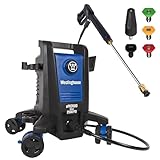
Pressure washers are mechanical cleaning devices that generate high-pressure water streams to remove surface contaminants including dirt, algae, mildew, and accumulated debris. These tools operate by forcing water through a narrow nozzle at pressures typically ranging from 1,300 to 4,000 pounds per square inch (PSI), creating concentrated jets capable of dislodging stubborn materials from various surfaces. When applied to wooden surfaces such as decking, fencing, and exterior siding, pressure washing presents both cleaning advantages and potential structural risks.
The effectiveness of pressure washing on wood depends on multiple factors including wood species, age, grain orientation, and existing surface treatments. Proper technique and equipment settings are critical to achieving desired cleaning results while avoiding damage. Wood’s cellular structure consists of interconnected fibers and pores that naturally absorb and release moisture.
This porosity makes wood vulnerable to water penetration, particularly when subjected to high-pressure streams that can force water deep into the grain. Excessive pressure or improper technique can cause fiber separation, surface gouging, splintering, and accelerated weathering. Additionally, forced water penetration may lead to prolonged moisture retention within the wood structure, potentially promoting fungal growth and decay.
The pressure threshold for wood damage varies significantly based on wood density, moisture content, and surface condition. Softwoods like pine and cedar typically require lower pressures than hardwoods such as oak or maple. Weathered or previously damaged wood surfaces are particularly susceptible to pressure-related damage and may require alternative cleaning methods.
Key Takeaways
- Pressure washers can clean wood effectively but may cause damage if used improperly.
- High pressure can erode wood fibers, leading to surface roughness and splintering.
- Incorrect techniques, like using the wrong nozzle or pressure setting, increase the risk of wood damage.
- Safer alternatives include gentle cleaning methods or using lower pressure settings on wood surfaces.
- Following proper tips and precautions helps balance cleaning benefits while minimizing harm to wood.
Potential Damage to Wood from Pressure Washers
The potential for damage when using a pressure washer on wood is significant and multifaceted. One of the primary concerns is the risk of splintering. High-pressure water jets can forcefully dislodge fibers from the wood surface, leading to rough patches and splinters that can be uncomfortable or even hazardous to touch.
This is particularly problematic for wooden decks or furniture where bare feet or hands may come into contact with the surface. The splintering not only affects the aesthetic appeal of the wood but can also compromise its structural integrity over time. Another form of damage that can occur is the erosion of the wood itself.
When pressure washing is performed at excessively high pressures or with inappropriate nozzles, the water can strip away layers of wood, leading to a condition known as “furring.” This results in a fuzzy texture on the surface that detracts from the wood’s natural beauty and can make it more susceptible to moisture infiltration. Over time, this erosion can weaken the wood, making it more prone to decay and other forms of deterioration.
Effects of High Pressure on Wood

The effects of high pressure on wood are not limited to superficial damage; they can also lead to deeper issues that may not be immediately visible. High-pressure washing can force water into the wood’s cellular structure, which can lead to swelling and warping. When wood absorbs too much moisture too quickly, it can expand unevenly, resulting in cracks or splits that compromise its overall stability.
This is particularly concerning for wooden structures that are designed to bear weight, such as decks or beams. Moreover, the introduction of high-pressure water can disrupt any existing protective coatings on the wood, such as stains or sealants. These coatings are essential for safeguarding wood against environmental elements like UV rays and moisture.
When these protective layers are stripped away by high-pressure washing, the wood becomes vulnerable to sun damage and water penetration, which can accelerate the aging process and lead to more severe issues like rot or mold growth.
Impact of Incorrect Techniques on Wood Surfaces
Incorrect techniques during pressure washing can exacerbate the risks associated with this cleaning method. For instance, using a narrow nozzle at close range can concentrate the water’s force on a small area, increasing the likelihood of damage. This technique can create deep gouges in the wood surface, which not only mar its appearance but also create entry points for moisture and pests.
Conversely, using a wide-angle nozzle from too far away may not effectively clean the surface, leading to uneven results that require additional cleaning efforts. Another common mistake is failing to maintain a consistent distance from the wood surface while pressure washing. Inconsistent distance can lead to patchy cleaning results and uneven wear on the wood.
Additionally, applying pressure in a back-and-forth motion rather than following the grain of the wood can further exacerbate damage. This improper technique can cause cross-grain scratches that are difficult to repair and detract from the overall finish of the wood.
Risks of Using Pressure Washers on Wood
| Factor | Details | Impact on Wood | Recommended Action |
|---|---|---|---|
| Pressure Level (PSI) | Below 1200 PSI | Safe for most wood surfaces | Use low pressure setting |
| Pressure Level (PSI) | 1200 – 1900 PSI | Moderate risk of surface damage | Test on small area first |
| Pressure Level (PSI) | Above 1900 PSI | High risk of wood splintering and damage | Avoid using on wood or use with extreme caution |
| Nozzle Type | Wide fan nozzle (25° or more) | Less concentrated, safer for wood | Use wide-angle nozzle |
| Nozzle Type | Narrow jet nozzle (0° – 15°) | Highly concentrated, can gouge wood | Avoid on wood surfaces |
| Distance from Surface | 12 inches or more | Reduces risk of damage | Maintain safe distance |
| Distance from Surface | Less than 12 inches | Increases risk of wood damage | Do not get too close |
| Wood Type | Hardwoods (e.g., oak, maple) | More resistant to pressure washing | Can tolerate moderate pressure |
| Wood Type | Softwoods (e.g., pine, cedar) | More prone to damage and splintering | Use lower pressure and caution |
| Frequency of Use | Occasional cleaning | Minimal cumulative damage | Safe with proper technique |
| Frequency of Use | Frequent or repeated use | Increased risk of surface degradation | Limit use and inspect wood regularly |
The risks associated with using pressure washers on wood extend beyond physical damage; they also encompass safety concerns for both the operator and bystanders. High-pressure water jets can cause serious injuries if they come into contact with skin or eyes. The force generated by these machines is powerful enough to penetrate skin and cause lacerations or bruising.
Therefore, proper safety gear, including goggles and gloves, is essential when operating a pressure washer. Additionally, there are environmental risks to consider when using pressure washers on wood surfaces. Many cleaning agents used in conjunction with pressure washing can be harmful to surrounding vegetation and wildlife if they run off into nearby soil or waterways.
It is crucial to choose eco-friendly cleaning solutions and take precautions to contain any runoff during the cleaning process. Failure to do so not only poses a risk to local ecosystems but may also result in legal repercussions for improper disposal of hazardous materials.
Alternatives to Pressure Washing Wood

Given the potential risks associated with pressure washing wood, many homeowners may seek alternative cleaning methods that are gentler yet effective.
This method effectively removes dirt and grime without the harsh impact of high-pressure jets, making it a safer choice for delicate wooden surfaces.
Another alternative is manual scrubbing with a brush and soapy water. While this method requires more physical effort, it allows for greater control over the cleaning process and minimizes the risk of damaging the wood. Using a stiff-bristled brush can help dislodge stubborn dirt without compromising the integrity of the wood fibers.
Additionally, this method allows for targeted cleaning of specific areas without affecting surrounding surfaces.
Tips for Safely Pressure Washing Wood
For those who choose to proceed with pressure washing their wooden surfaces, several best practices can help mitigate risks and ensure effective cleaning. First and foremost, selecting the appropriate pressure setting is crucial. Most wooden surfaces require a pressure setting between 500 to 1500 PSI (pounds per square inch) for safe cleaning without causing damage.
It is advisable to start at a lower pressure and gradually increase it if necessary. Using the right nozzle is equally important; a fan nozzle (25-40 degrees) is generally recommended for wood surfaces as it disperses water over a wider area, reducing concentrated force on any one spot. Maintaining a consistent distance—typically around 12-18 inches—from the surface while washing will help prevent damage while still allowing for effective cleaning.
Before beginning any pressure washing project, it is wise to conduct a test on a small inconspicuous area of the wood. This test will help gauge how the material reacts to pressure washing and allow for adjustments before tackling larger areas. Additionally, ensuring that all electrical outlets and fixtures are covered or removed from the area being cleaned will help prevent accidents.
Balancing the Benefits and Risks of Pressure Washers on Wood
In summary, while pressure washers offer an efficient means of cleaning wooden surfaces, they come with inherent risks that must be carefully managed. The potential for damage from high-pressure water jets necessitates a thorough understanding of both proper techniques and alternative methods for maintaining wooden structures. By weighing these factors and employing best practices when using pressure washers, homeowners can effectively balance the benefits of this powerful tool against its risks, ensuring their wooden surfaces remain beautiful and intact for years to come.
When considering the use of a pressure washer on wood surfaces, it’s essential to understand the potential risks involved.
For more insights on how to effectively use electric pressure washers, you can refer to this helpful article on how to use electric pressure washers. This resource provides valuable tips that can help you avoid damaging your wooden surfaces while achieving a thorough clean.




Leave a Reply