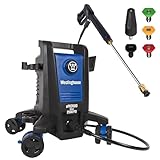
Pressure washer hose length is a crucial determinant of cleaning efficiency. The hose transports high-pressure water from the machine to the cleaning surface, with its length dictating operational reach. Longer hoses provide enhanced mobility and access to difficult areas, such as building heights or distant corners of large surfaces.
In contrast, shorter hoses restrict movement and may require frequent repositioning of the pressure washer unit, reducing productivity. Hose length also affects water pressure and flow dynamics. Water traveling through extended hoses experiences friction loss, potentially decreasing the effective pressure at the nozzle.
While longer hoses offer greater reach, they may compromise cleaning power if not compatible with the pressure washer’s capacity. Understanding this relationship between hose length, reach, and pressure maintenance is essential for optimizing pressure washing performance and achieving desired cleaning results.
Key Takeaways
- Choosing the correct pressure washer hose length is crucial for effective cleaning and optimal performance.
- Longer hoses provide greater reach but can reduce water pressure and flow rate.
- Consider factors like cleaning area size, water pressure requirements, and hose material when selecting hose length.
- Avoid common mistakes such as using excessively long hoses that cause pressure loss or too short hoses that limit mobility.
- Proper maintenance and usage tailored to hose length ensure durability and consistent pressure washer performance.
Determining the Right Hose Length for Your Pressure Washer
Choosing the appropriate hose length for your pressure washer involves assessing both your cleaning needs and the specifications of your equipment. Typically, pressure washer hoses come in various lengths ranging from 25 feet to over 100 feet. For residential tasks such as washing cars, patios, or decks, a hose length of 25 to 50 feet is often sufficient.
This range allows for adequate maneuverability while still maintaining a strong water pressure. However, if you are tackling larger projects, such as cleaning multi-story buildings or expansive driveways, opting for a longer hose—perhaps 75 feet or more—can be advantageous. It is also essential to consider the layout of the area you will be cleaning.
If your workspace has numerous obstacles or requires navigating around corners, a longer hose can provide the necessary flexibility to reach all areas without needing to reposition the pressure washer frequently. Additionally, if you plan to use your pressure washer for commercial purposes or in larger outdoor spaces, investing in a longer hose can save time and effort in the long run. Ultimately, determining the right hose length requires a careful evaluation of both your specific cleaning tasks and the physical environment in which you will be working.
The Impact of Hose Length on Pressure Washer Performance

The performance of a pressure washer is intricately linked to the length of its hose. As water travels through a longer hose, it encounters resistance due to friction against the inner walls of the hose. This friction can lead to a drop in pressure, which may affect the cleaning power at the nozzle.
This reduction in pressure can hinder the ability to remove tough stains or grime effectively. Moreover, different types of hoses can also influence performance based on their diameter and material composition.
A wider diameter hose can help mitigate some of the pressure loss associated with longer lengths by allowing more water to flow through with less resistance. Additionally, high-quality materials that are designed to withstand high pressures can further enhance performance by minimizing wear and tear over time. Therefore, when considering hose length, it is crucial to also evaluate these other factors to ensure optimal performance during use.
Factors to Consider When Choosing the Best Hose Length
When selecting the best hose length for your pressure washer, several factors come into play beyond just reach and performance. One significant consideration is the type of projects you plan to undertake. For instance, if you frequently clean large surfaces or work in commercial settings, investing in a longer hose may be beneficial.
Conversely, for smaller residential tasks, a shorter hose may suffice and be easier to manage. Another important factor is storage and portability. Longer hoses can be cumbersome and may require more space for storage when not in use.
If you have limited storage options or need to transport your pressure washer frequently, a shorter hose might be more practical. Additionally, consider how often you will need to replace hoses; longer hoses may be more prone to kinks and damage if not handled carefully. Evaluating these factors will help you make an informed decision that aligns with your specific needs and circumstances.
Common Mistakes to Avoid When Selecting Pressure Washer Hose Length
| Hose Length (feet) | Best Use Case | Pressure Loss (%) | Recommended Pressure Washer PSI | Mobility |
|---|---|---|---|---|
| 25 | Small to medium jobs, close proximity | Minimal (1-2%) | Up to 3000 PSI | High |
| 50 | Medium to large jobs, moderate reach | Moderate (3-5%) | Up to 3000 PSI | Moderate |
| 75 | Large jobs, extended reach | Noticeable (6-8%) | Up to 2500 PSI | Lower |
| 100 | Very large jobs, maximum reach | Significant (9-12%) | Up to 2000 PSI | Low |
One common mistake when selecting a pressure washer hose length is underestimating the required reach for specific tasks. Many users opt for shorter hoses thinking they will suffice for occasional use but later find themselves struggling to clean certain areas effectively. This oversight can lead to frustration and wasted time as users are forced to reposition their equipment repeatedly.
It’s essential to assess your cleaning environment thoroughly before making a decision on hose length. Another frequent error is neglecting to consider the impact of hose diameter on performance. Users may focus solely on length without recognizing that a narrower diameter can exacerbate pressure loss over longer distances.
Choosing a hose that balances both length and diameter is crucial for maintaining optimal performance during cleaning tasks.
Tips for Maintaining and Caring for Your Pressure Washer Hose

Proper maintenance of your pressure washer hose is essential for prolonging its lifespan and ensuring consistent performance. One key practice is to store the hose correctly after each use; coiling it neatly without kinks or twists helps prevent damage over time. Avoid leaving it exposed to direct sunlight for extended periods, as UV rays can degrade the material and lead to cracks or leaks.
Instead, consider using a protective cover or storing it in a shaded area when not in use. Regular inspections are also crucial for maintaining your hose’s integrity. Check for signs of wear such as fraying or bulging areas that could indicate impending failure.
If you notice any damage, it’s best to replace the hose promptly rather than risk further issues during operation. Additionally, periodically flushing out the hose with clean water can help remove any debris or buildup that may affect performance over time. By following these maintenance tips, you can ensure that your pressure washer hose remains in optimal condition for years to come.
The Best Practices for Using Different Hose Lengths in Various Applications
Utilizing different hose lengths effectively requires an understanding of best practices tailored to specific applications. For instance, when using a shorter hose for small residential tasks like washing cars or patios, it’s beneficial to maintain close proximity to your power source to maximize pressure output. This setup allows for efficient cleaning without significant loss of water pressure due to friction.
In contrast, when employing longer hoses for larger projects such as cleaning multi-story buildings or expansive outdoor areas, it’s advisable to use high-quality hoses designed specifically for high-pressure applications. These hoses often feature reinforced materials that minimize pressure loss while providing durability against wear and tear. Additionally, employing techniques such as starting from higher elevations and working downward can help leverage gravity in your favor when using longer hoses, ensuring effective cleaning without excessive effort.
Finding the Perfect Balance for Optimal Pressure Washer Performance
Achieving optimal performance from your pressure washer hinges on finding the right balance between hose length and other critical factors such as diameter and material quality. By understanding how these elements interact with one another, users can make informed decisions that enhance their cleaning efficiency while minimizing potential issues related to pressure loss or equipment compatibility. Ultimately, whether you are tackling small residential projects or larger commercial tasks, taking the time to evaluate your specific needs will lead to better outcomes and greater satisfaction with your pressure washing endeavors.
With careful consideration and proper maintenance practices in place, you can ensure that your pressure washer operates at peak performance for years to come.
When considering the optimal length for a pressure washer hose, it’s essential to understand how it can impact your cleaning efficiency and reach. For more insights on selecting the right pressure washer for various tasks, you can check out this informative article on the best pressure washers for cars. It provides valuable information that can help you make an informed decision based on your specific cleaning needs.




Leave a Reply