
When considering the maintenance of your property’s exterior, specifically its siding and roof, you face a critical decision regarding cleaning methods: soft washing versus pressure washing. Both techniques aim to remove dirt, mold, mildew, and other contaminants, but they employ fundamentally different approaches, leading to varying levels of safety and effectiveness depending on the surface material and the nature of the buildup. Understanding these differences is paramount to preventing damage and maximizing the longevity of your home’s exterior.
Pressure washing, also known as power washing, is a cleaning method that uses a high-pressure stream of water to blast away dirt and grime from surfaces. Imagine a very focused, powerful shower head, but with significantly more force. This method is effective due to the kinetic energy of the water, which dislodges and carries away foreign material.
The Mechanism of High Pressure
The core principle behind pressure washing is the application of water at pressures typically ranging from 1,300 to 3,100 pounds per square inch (PSI). Specialized nozzles are used to control the spray pattern, from a concentrated pencil-thin stream to a wider fan. The selection of the correct nozzle and pressure setting is critical. Too high a pressure or too narrow a stream can cause significant damage, akin to using a chisel where a brush is needed.
Common Applications of Pressure Washing
You might find pressure washing commonly employed for several robust surfaces. These include:
- Concrete Driveways and Walkways: Concrete is a highly durable and porous material that can withstand high pressure without significant risk of damage. Pressure washing effectively removes oil stains, tire marks, moss, and embedded dirt.
- Brick and Stone Patios: Similar to concrete, brick and natural stone are resilient materials. Pressure washing can restore their appearance by removing efflorescence, algae, and grime.
- Fences (Wood and Vinyl): While wood fences require a lower pressure setting to avoid splintering, pressure washing is effective at removing weathered layers and preparing the surface for staining or sealing. Vinyl fences are generally more forgiving.
- Decks (Wood and Composite): Again, careful pressure selection is crucial for wood decks. Composite decks, being less porous, can often tolerate higher pressures without damage.
The Risks Associated with Pressure Washing on Delicate Surfaces
Despite its effectiveness on hard surfaces, pressure washing carries significant risks when applied to more delicate materials. For your siding and roof, these risks can manifest as costly repairs and diminished structural integrity.
- Damage to Siding Materials:
- Vinyl Siding: High pressure can force water behind the siding panels, leading to moisture intrusion, mold growth, and potential warping or loosening of the panels. The force can also etch or permanently streak the vinyl surface.
- Wood Siding: Wood is susceptible to splintering, gouging, and etching under high pressure. This can compromise its protective finish, making it more vulnerable to rot, insect infestation, and weathering.
- Fiber Cement Siding: While more durable than wood, fiber cement siding can still be damaged, particularly at seams or edges, if excessive pressure is applied. The protective coating can also be stripped away.
- Roofing System Deterioration:
- Asphalt Shingles: Pressure washing is generally not recommended for asphalt shingles. The high-pressure stream can dislodge the protective granules, which are essential for reflecting UV rays and extending the lifespan of the roof. This granular loss accelerates shingle deterioration and reduces their effectiveness. It can also force water underneath the shingles, leading to leaks and rot in the underlying deck.
- Tile Roofs (Clay/Concrete): While more robust than asphalt, high pressure can still crack or dislodge tiles, especially older or compromised ones. It can also strip away protective coatings or sealants.
- Metal Roofs: While metal roofs are durable, a direct, high-pressure stream can dent the panels, especially if they are thin gauge. It can also strip paint or protective coatings and even lift seams.
When considering the best methods for cleaning your home’s exterior, it’s important to weigh the safety and effectiveness of soft washing versus pressure washing, especially for siding and roofs. For those looking to maximize the lifespan of their roofing materials, a related article provides essential maintenance tips that can help homeowners make informed decisions. You can read more about these valuable insights in the article titled “Maximizing Roof Life: Essential Maintenance Tips” available at this link.
Understanding the Fundamentals: Soft Washing
Soft washing, in contrast to pressure washing, is a cleaning methodology that prioritizes the use of specialized cleaning solutions combined with low-pressure water application. Think of it as a gentle, targeted chemical wash followed by a rinse, rather than a brute-force approach.
The Mechanism of Chemical Cleaning
The efficacy of soft washing stems primarily from the chemical action of the cleaning solutions. These solutions, often a blend of surfactants, algaecides, mildewcides, and other proprietary agents, are designed to penetrate and break down organic contaminants like mold, mildew, algae, and bacteria. The solutions kill these microbes at their source, preventing their immediate regrowth, unlike pressure washing which merely washes them away superficially. The water pressure used for rinsing is typically comparable to that of a garden hose, around 40-80 PSI, ensuring no damage to the surface.
Formulations of Soft Washing Solutions
Soft washing solutions are not “one-size-fits-all.” Professional soft washing services utilize a variety of formulations tailored to specific contaminants and surfaces. Common components include:
- Sodium Hypochlorite (Bleach): A powerful disinfectant and oxidizer, highly effective against algae, mold, and mildew. It’s often diluted to specific concentrations for safe and effective use.
- Surfactants: These agents help the cleaning solution spread evenly over the surface, increasing contact time with contaminants and allowing the active ingredients to penetrate more effectively. They also help to loosen and lift dirt.
- Algaecides/Mildewcides: These are specifically designed to kill and inhibit the regrowth of algae and mildew, providing a more lasting clean.
- Rinsing Agents: Some solutions incorporate agents that ensure a streak-free rinse and prevent residue buildup.
Common Applications of Soft Washing
Soft washing is the preferred method for a variety of delicate surfaces where pressure washing would be detrimental.
- All Types of Siding:
- Vinyl Siding: Soft washing gently removes algae, mildew, and dirt without risking water intrusion or surface damage.
- Wood Siding: It cleans wood siding effectively, killing organic growth without splintering or stripping the protective finish.
- Fiber Cement Siding: It safely cleans fiber cement, preserving its integrity and paint.
- All Types of Roofing:
- Asphalt Shingles: This is the recommended method for cleaning asphalt roofs. It removes black streaks (Gloeocapsa magma algae) and moss without dislodging granules, preserving the roof’s lifespan.
- Tile Roofs: Soft washing safely removes organic growth without cracking or displacing tiles.
- Metal Roofs: It cleans metal roofs without denting, stripping paint, or damaging seams.
- Stucco and EIFS (Exterior Insulation and Finish Systems): These highly porous and often delicate surfaces are easily damaged by pressure, making soft washing the only safe option to remove dirt and organic growth.
- Outdoor Furniture and Decking (Delicate Finishes): For furniture with delicate finishes or older, more fragile wooden decks, soft washing provides a safe and effective cleaning solution.
Safety for Siding: A Direct Comparison

When it comes to your home’s siding, the choice between soft washing and pressure washing is not merely a preference; it is a critical decision that directly impacts the longevity and integrity of your exterior.
Soft Washing: The Gentle Guardian of Siding
Soft washing acts as a gentle guardian for all types of siding. The low-pressure application of specialized cleaning agents effectively dissolves and lifts away contaminants without subjecting the material to mechanical stress. This approach is akin to using a gentle cleanser and a soft cloth on a delicate surface rather than high-pressure abrasive.
- Preservation of Material Integrity: Whether you have vinyl, wood, fiber cement, or stucco, soft washing preserves the structural integrity of the siding. It eliminates the risk of warping, splintering, etching, or dislodging panels.
- Prevention of Water Intrusion: A significant advantage of soft washing is the minimal risk of forcing water behind the siding panels. This prevents moisture-related issues such as mold, mildew, rot, and structural damage within the wall cavities.
- Effective Organic Growth Removal: The chemical solutions in soft washing are designed to kill organic growth like algae, mold, and mildew at a cellular level, providing a longer-lasting clean compared to simply rinsing them away. This inhibits their immediate return.
- Color and Finish Protection: Soft washing helps to maintain the original color and finish of the siding. High-pressure washing can strip away paint, protective coatings, or even damage the surface texture, leading to a faded or blotchy appearance.
Pressure Washing: A High-Risk Proposition for Siding
Employing pressure washing on siding can be likened to using a sledgehammer where a feather duster is required. The inherent force, while effective on robust surfaces, becomes a destructive agent for the more nuanced materials of your siding.
- Risk of Physical Damage: As previously detailed, vinyl can warp or come loose, wood can splinter and gouge, and even fiber cement can be compromised. This physical damage not only looks unsightly but also creates pathways for water intrusion and further deterioration.
- Forcing Water Behind Siding: This is arguably the most insidious risk. High-pressure water can easily breach seams, gaps, and overlaps, introducing moisture into your wall cavity. This hidden moisture can lead to:
- Mold and Mildew Growth: Inside your walls, potentially triggering health issues and structural degradation.
- Rot: Especially problematic for wood components within the wall structure.
- Insulation Damage: Wet insulation loses its R-value, leading to increased energy costs.
- Stripping Protective Coatings or Paint: High pressure can blast away the outer layers of paint or protective sealants, leaving your siding vulnerable to the elements and requiring immediate re-finishing.
- Voiding Warranties: Many siding manufacturers explicitly state that using high-pressure washing can void their product warranties due to the high risk of damage.
Safety for Roofs: A Critical Distinction

Your roof is one of the most critical protective elements of your home, bearing the brunt of weather exposure. Protecting its integrity during cleaning is non-negotiable.
Soft Washing: The Industry Standard for Roof Cleaning
Soft washing has become the established industry standard and the only generally recommended method for cleaning roofs. This is due to its efficacy in removing contaminants without compromising the roof’s structural integrity or lifespan.
- Preservation of Granules (Asphalt Shingles): The granules on asphalt shingles are vital for UV protection and waterproofing. Soft washing meticulously cleans the shingles without dislodging these essential granules, thereby extending the roof’s useful life. It addresses the black streaks (Gloeocapsa magma) which are actually algae that feed on the limestone filler in shingles.
- Elimination of Organic Growth at the Source: The chemical solutions penetrate and kill moss, algae, lichen, and mildew, which can otherwise degrade roofing materials by retaining moisture and causing root-like structures to grow into the shingle. This not only cleans but also sanitizes the roof.
- No Risk of Water Intrusion: The low-pressure application eliminates the risk of forcing water underneath the shingles, which could lead to leaks, rot of the roof deck, and damage to the attic space or interior.
- Safe for All Roofing Materials: Whether you have asphalt, tile, slate, or metal, soft washing is a gentle yet effective way to clean your roof without causing cracks, dents, or dislodge panels.
Pressure Washing: A Recipe for Roof Damage
Using pressure washing on a roof is akin to using sandpaper on a delicate painting. While it might remove the surface grime, it irrevocably damages the underlying structure and protective layers. The dangers are so significant that most roofing professionals and manufacturers strongly advise against it.
- Granule Loss and Accelerated Deterioration: The most immediate and significant risk for asphalt shingles is the forceful removal of granules. Once these are gone, the underlying asphalt is directly exposed to UV radiation, leading to rapid drying, cracking, and premature failure of the shingles.
- Lifting and Breaking Shingles/Tiles: The sheer force of high-pressure water can lift, crack, or even break shingles and tiles, creating direct entry points for water and necessitating costly repairs.
- Compromised Roofing System Integrity: By damaging the protective layers and potentially forcing water beneath them, pressure washing can compromise the entire roofing system, leading to leaks, wood rot in the decking and rafters, and subsequent interior damage.
- Voiding Manufacturer Warranties: Virtually all roofing manufacturer warranties will be voided if the roof is cleaned using high-pressure washing methods. This leaves you directly responsible for any subsequent damage or premature roof failure.
- Safety Risks to the Operator: Working on a wet, algae-covered roof with high-pressure equipment is also inherently dangerous, increasing the risk of slips, falls, and injuries.
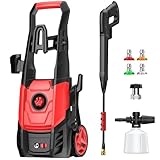
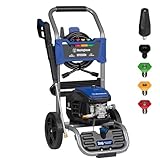
When considering the best method for cleaning your home’s exterior, it’s essential to understand the differences between soft washing and pressure washing, especially regarding safety for siding and roofs. For those interested in troubleshooting common issues that may arise with pressure washing equipment, you can find helpful insights in this article on troubleshooting a humming pressure washer motor. This resource can provide valuable tips to ensure your pressure washing experience is both effective and safe.
Making an Informed Decision: Which is Right for You?
| Aspect | Soft Washing | Pressure Washing |
|---|---|---|
| Water Pressure | Low pressure (typically under 500 psi) | High pressure (1000-4000 psi) |
| Cleaning Method | Uses specialized cleaning solutions and low pressure to remove dirt, mold, and algae | Uses high pressure water to blast away dirt and debris |
| Safety for Siding | Gentle on delicate siding materials like vinyl, stucco, and painted wood | Can cause damage such as chipping, cracking, or stripping paint |
| Safety for Roofs | Safe for shingles and tiles; reduces risk of damage and water intrusion | High risk of damaging shingles, loosening granules, and causing leaks |
| Effectiveness on Mold and Algae | Highly effective due to chemical agents that kill spores | Less effective; may only remove surface growth temporarily |
| Environmental Impact | Uses biodegradable cleaning solutions; minimal water usage | Uses large volumes of water; no chemicals but potential runoff issues |
| Typical Use Cases | Residential siding, roofs, delicate surfaces | Concrete driveways, decks, hard surfaces |
| Cost Consideration | May be slightly higher due to chemicals and expertise required | Generally lower but risk of costly damage |
Choosing between soft washing and pressure washing depends entirely on the surface you intend to clean and the type of contaminants present. This is not a situation where one method is universally superior; rather, each has its specific applications where it excels and where it poses unacceptable risks.
When to Opt for Soft Washing
You should unequivocally choose soft washing when cleaning:
- Any type of roof: Asphalt shingles, tile, slate, metal – soft washing is the safe and effective choice for all.
- All types of siding: Vinyl, wood, fiber cement, stucco – soft washing protects the material and prevents water intrusion.
- Delicate painted surfaces: To avoid stripping paint or damaging the finish.
- Surfaces primarily affected by organic growth: When mold, mildew, algae, and lichen are the main culprits, soft washing kills them at the source.
When Pressure Washing is Acceptable (with Caution)
Pressure washing is acceptable, and often more efficient, for robust surfaces that can withstand high force:
- Concrete driveways, walkways, and patios: For tough stains and embedded dirt.
- Brick and natural stone: For efflorescence and heavy grime.
- Pool decks: When dealing with textured concrete or stone.
- Unpainted, sturdy fences (ensure appropriate pressure levels): For extensive weathering or stubborn dirt.
However, even with these surfaces, proper technique, correct nozzle selection, and appropriate pressure settings are paramount to prevent pitting, etching, or other surface damage.
The Hybrid Approach: Professional Recommendation
Many professional exterior cleaning companies offer a hybrid approach, leveraging the strengths of both methods where appropriate. They might use soft washing for your roof and siding, and then switch to a higher-pressure application for your concrete driveway. This ensures that each surface receives the most effective and safest cleaning method.
Ultimately, when in doubt, it is always safer to err on the side of caution and opt for the gentler method. The potential cost of repairing damage caused by improper pressure washing far outweighs the perceived benefits of a quick, aggressive clean. Your home is a significant investment; treat its exterior with the care and appropriate cleaning techniques it deserves.




Leave a Reply