Solar panel efficiency depends significantly on proper maintenance through safe pressure washing techniques. Accumulated dirt, dust, and debris on panel surfaces create barriers that block sunlight and decrease energy production. Clean panels operate at optimal efficiency and maintain longer operational lifespans.
This maintenance becomes critical in environments with elevated pollution levels or frequent dust storms, where substantial particle accumulation occurs rapidly. Regular cleaning preserves both performance capabilities and visual appearance of solar installations. Safe pressure washing techniques are necessary to prevent damage to sensitive solar panel components.
Solar panels contain specialized materials that differ from conventional surfaces and require careful handling during cleaning. Incorrect pressure levels or improper techniques can cause surface scratches, structural cracks, or complete panel failure. Proper pressure washing methods protect the financial investment while ensuring sustained optimal performance of solar energy systems over their intended operational period.
Key Takeaways
- Safe pressure washing is crucial to maintain solar panel efficiency and prevent damage.
- Using the correct pressure washing equipment minimizes the risk of harming solar panels.
- Proper techniques and precautions ensure effective cleaning without compromising panel integrity.
- Regular maintenance and cleaning schedules help sustain optimal solar panel performance.
- Hiring professionals can guarantee safe and thorough pressure washing of solar panels.
Understanding the Risks of Pressure Washing Solar Panels
While pressure washing can be an effective method for cleaning solar panels, it comes with inherent risks that you must be aware of. One of the primary concerns is the potential for physical damage to the panels themselves. The high-pressure water jets used in pressure washing can easily cause micro-cracks or scratches on the surface of the panels, which may not be immediately visible but can lead to significant issues over time.
These damages can compromise the integrity of the panels and reduce their efficiency, ultimately costing you more in repairs or replacements. Another risk involves the electrical components of the solar panels. Water intrusion can pose a serious threat to the electrical systems within the panels.
If water seeps into the junction boxes or other sensitive areas, it can lead to short circuits or even complete system failure. Therefore, understanding these risks is vital before you decide to pressure wash your solar panels. It’s essential to weigh the benefits against the potential hazards and consider alternative cleaning methods if necessary.
Choosing the Right Pressure Washing Equipment for Solar Panels

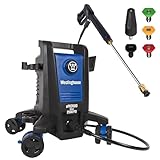
Selecting the appropriate pressure washing equipment is critical for ensuring a safe and effective cleaning process for your solar panels. Not all pressure washers are created equal; some are designed for heavy-duty tasks while others are more suited for delicate surfaces. For solar panels, you should opt for a pressure washer that offers adjustable pressure settings.
Ideally, you want a machine that allows you to operate at a lower PSI (pounds per square inch) to minimize the risk of damage while still effectively removing dirt and grime. In addition to pressure settings, consider the type of nozzle you will use. A wide-angle nozzle is often recommended for cleaning solar panels as it disperses water over a larger area, reducing the intensity of the water jet on any single point.
This helps prevent concentrated pressure that could harm the panels. Furthermore, ensure that your equipment is equipped with a detergent tank if you plan to use cleaning solutions. However, be cautious with the types of detergents you choose; they should be biodegradable and safe for use on solar panels to avoid any adverse effects on their performance.
Tips for Safely Pressure Washing Solar Panels
To ensure a safe pressure washing experience for your solar panels, there are several tips you should keep in mind. First and foremost, always start by inspecting your solar panels for any visible damage or loose connections. If you notice any issues, it’s best to address them before proceeding with cleaning.
Additionally, check the weather conditions; avoid washing your panels during extreme temperatures or when rain is expected, as this can affect both safety and effectiveness. Another important tip is to work from a safe distance initially. Begin by testing the pressure washer at a distance of at least three feet from the panel surface.
Gradually move closer while monitoring how the panels respond to the water pressure. This approach allows you to gauge whether adjustments are needed before getting too close and risking damage. Lastly, always wear appropriate safety gear, including goggles and non-slip footwear, to protect yourself during the cleaning process.
Techniques for Cleaning Solar Panels without Damaging Them
| Metric | Recommended Value | Notes |
|---|---|---|
| Water Pressure | Below 500 psi | High pressure can damage solar panel surfaces and seals |
| Water Temperature | Cold to lukewarm (below 100°F) | Hot water may damage panel coatings or cause thermal shock |
| Cleaning Solution | Mild, non-abrasive soap or detergent | Avoid harsh chemicals that can degrade panel materials |
| Cleaning Frequency | Every 6 months to 1 year | Depends on local dust, pollen, and pollution levels |
| Cleaning Method | Soft brush or microfiber cloth with gentle rinsing | Prevents scratching and maintains panel efficiency |
| Drying Method | Air dry or soft squeegee | Avoid abrasive drying tools |
| Safety Precautions | Turn off panels before cleaning | Prevents electrical hazards and damage |
When it comes to cleaning solar panels without causing damage, employing gentle techniques is key. One effective method is to use a soft-bristle brush in conjunction with your pressure washer. This allows you to agitate stubborn dirt and grime without applying excessive force directly onto the panel surface.
By using a brush designed specifically for delicate surfaces, you can ensure that you’re not scratching or harming the protective coating on your solar panels.
After applying water and any biodegradable cleaning solution, use a low-pressure setting to rinse off the soap and debris gently.
Following this step, consider using a squeegee or microfiber cloth to dry the panels completely.
Precautions to Take When Pressure Washing Solar Panels
Taking precautions during the pressure washing process is essential for both your safety and the integrity of your solar panels. One of the first precautions is to ensure that all electrical components are properly sealed and protected from water exposure. Before starting, disconnect any electrical connections if possible or cover them with waterproof materials to prevent water intrusion.
Additionally, consider using a ladder or scaffolding if necessary to reach higher panels safely. Avoid standing directly on the roof unless absolutely necessary; instead, use equipment that allows you to clean from a safe distance while maintaining stability. Always have someone nearby who can assist you in case of an emergency or if you need help managing equipment while working at heights.
Maintenance and Cleaning Schedule for Solar Panels
Establishing a regular maintenance and cleaning schedule for your solar panels is vital for optimal performance. Depending on your location and environmental conditions, you may need to clean your panels every six months to a year. Areas with heavy rainfall may require less frequent cleaning due to natural rinsing effects, while regions with high dust levels may necessitate more regular attention.
In addition to scheduled cleanings, perform routine inspections of your solar panels every few months. Look for signs of wear and tear, such as loose connections or physical damage. Keeping an eye on their performance metrics can also help you identify any drops in efficiency that may indicate a need for cleaning or maintenance sooner than planned.
Hiring a Professional for Safe Pressure Washing of Solar Panels
If you’re unsure about safely pressure washing your solar panels yourself, hiring a professional service can be an excellent option. Professionals have specialized training and experience in handling solar panel cleaning without causing damage. They understand the nuances of different panel types and know how to use equipment effectively while adhering to safety protocols.
Moreover, hiring professionals can save you time and effort while ensuring that your solar panels receive a thorough cleaning. They often have access to advanced equipment that may not be available for personal use, allowing them to achieve better results in less time. Ultimately, investing in professional services can provide peace of mind knowing that your solar investment is being cared for by experts who prioritize safety and efficiency.
In conclusion, maintaining clean solar panels through safe pressure washing is essential for maximizing their efficiency and longevity. By understanding the risks involved, choosing appropriate equipment, employing safe techniques, and considering professional help when needed, you can ensure that your solar energy system continues to perform optimally for years to come.
When it comes to maintaining the efficiency of your solar panels, safe pressure washing is essential. For tips on how to effectively use a pressure washer without damaging your solar panels, you might find the article on 5 Must-Watch Pressure Washer Videos Before You Actually Use One particularly helpful. This resource provides valuable insights that can guide you in using your pressure washer safely and effectively.




Leave a Reply