Pressure cleaning, often referred to as power washing, is a highly effective method for cleaning various surfaces using high-pressure water spray. This technique is particularly useful for removing dirt, grime, mold, and other stubborn contaminants that accumulate over time. As you delve into the world of pressure cleaning, you will discover that it is not just about blasting surfaces with water; it involves understanding the right pressure levels, nozzle types, and cleaning solutions to achieve optimal results.
The equipment used in pressure cleaning can vary significantly, from electric models suitable for light-duty tasks to gas-powered machines designed for heavy-duty applications. When you engage in pressure cleaning, you harness the power of water at high velocities to dislodge dirt and debris. The effectiveness of this method lies in its ability to reach crevices and corners that traditional cleaning methods often miss.
Whether you are looking to spruce up your driveway, patio, or home exterior, understanding the fundamentals of pressure cleaning will empower you to tackle these tasks with confidence. As you explore this cleaning technique further, you will appreciate its versatility and efficiency in maintaining the aesthetic appeal of your surroundings.
Key Takeaways
- Pressure cleaning uses high-pressure water to remove dirt, grime, and other impurities from surfaces.
- Benefits of pressure cleaning include improved curb appeal, increased property value, and prevention of damage from mold and mildew.
- When choosing pressure cleaning equipment, consider the PSI (pounds per square inch) and GPM (gallons per minute) to ensure it meets your needs.
- Prepare your space for pressure cleaning by removing obstacles, covering delicate plants, and testing the equipment in a small area.
- Safety precautions for pressure cleaning include wearing protective gear, using the equipment at a safe distance, and avoiding electrical hazards.
Benefits of Pressure Cleaning
The benefits of pressure cleaning extend far beyond mere aesthetics. One of the most significant advantages is the ability to enhance the longevity of your surfaces. Regular pressure cleaning can prevent the buildup of harmful substances like mold and mildew, which can deteriorate materials over time.
By investing in this cleaning method, you not only improve the appearance of your property but also protect your investment from potential damage caused by neglect. Moreover, pressure cleaning can significantly increase the value of your property. A clean and well-maintained exterior creates a positive first impression for visitors and potential buyers alike.
If you are considering selling your home or simply want to enhance its curb appeal, a thorough pressure cleaning session can make a world of difference. Additionally, this method is environmentally friendly when done correctly, as it often requires less water than traditional cleaning methods while effectively removing contaminants without the need for harsh chemicals.
Choosing the Right Pressure Cleaning Equipment

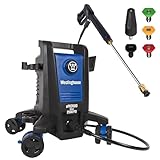
Selecting the appropriate pressure cleaning equipment is crucial for achieving the best results. When you begin your search, consider the type of surfaces you will be cleaning and the level of dirt or grime present. For lighter tasks such as washing cars or cleaning patio furniture, an electric pressure washer with a lower PSI (pounds per square inch) may suffice.
However, if you are tackling tougher jobs like cleaning driveways or siding, a gas-powered model with higher PSI will be more effective. In addition to power source and PSI, pay attention to the nozzle types available with your pressure washer. Different nozzles create varying spray patterns and pressures, allowing you to customize your approach based on the surface being cleaned. For instance, a 0-degree nozzle produces a concentrated stream ideal for tough stains, while a 40-degree nozzle offers a wider spray suitable for delicate surfaces. By understanding these nuances and selecting the right equipment, you can ensure that your pressure cleaning endeavors yield impressive results.
Preparing Your Space for Pressure Cleaning
| Area | Cleaning Task | Recommended Frequency |
|---|---|---|
| Driveway | Remove oil stains and dirt buildup | Every 6-12 months |
| Deck or Patio | Remove mold, mildew, and dirt | Every 1-2 years |
| Siding | Remove dirt, grime, and mildew | Every 1-2 years |
| Roof | Remove moss, algae, and debris | Every 2-3 years |
Before you begin pressure cleaning, proper preparation is essential to ensure safety and effectiveness. Start by clearing the area of any obstacles such as furniture, plants, or decorations that could be damaged by the high-pressure spray. This step not only protects your belongings but also allows you to access all surfaces that need cleaning without hindrance.
If you have delicate plants nearby, consider covering them with tarps or moving them temporarily to prevent any potential harm. Next, inspect the surfaces you plan to clean for any loose paint or structural issues. Addressing these concerns beforehand will help prevent further damage during the pressure cleaning process.
Additionally, it’s wise to check for any electrical outlets or fixtures that may be exposed to water. Taking these precautions will not only enhance your safety but also ensure that your pressure cleaning project goes smoothly without unexpected setbacks.
Safety Precautions for Pressure Cleaning
Safety should always be your top priority when engaging in pressure cleaning activities. The high-pressure water spray can cause serious injuries if not handled properly. Always wear appropriate protective gear, including safety goggles, gloves, and sturdy footwear to shield yourself from debris and water spray.
It’s also advisable to wear long pants and sleeves to protect your skin from potential injuries caused by flying particles or accidental contact with the high-pressure stream. Furthermore, be mindful of your surroundings while operating the pressure washer. Ensure that children and pets are kept at a safe distance from the work area to prevent accidents.
If you are using electrical equipment, check for any frayed cords or damaged plugs before starting. By adhering to these safety precautions, you can enjoy a successful pressure cleaning experience while minimizing risks.
Pressure Cleaning Techniques for Different Surfaces

Different surfaces require distinct pressure cleaning techniques to achieve optimal results without causing damage. For instance, when cleaning concrete driveways or patios, a higher PSI setting is typically necessary due to the porous nature of the material. You may also want to use a wide-angle nozzle to cover larger areas efficiently while avoiding streaks.
On the other hand, when dealing with softer surfaces like wood decks or siding, it’s crucial to use a lower PSI setting and a fan spray nozzle to prevent splintering or gouging. Additionally, consider using a detergent specifically designed for pressure washing wood surfaces to help break down dirt and grime effectively. By tailoring your approach based on the surface material, you can ensure that your pressure cleaning efforts yield impressive results without compromising the integrity of your property.
Removing Stubborn Stains with Pressure Cleaning
Stubborn stains can be one of the most frustrating challenges when it comes to maintaining your property’s appearance. Fortunately, pressure cleaning is an effective solution for tackling these tough blemishes. For oil stains on driveways or garage floors, pre-treating the area with a degreaser before applying high-pressure water can significantly enhance your results.
Allowing the degreaser to sit for a few minutes will help break down the oil before you blast it away with your pressure washer. Similarly, mold and mildew stains on siding or decks can be effectively removed using a combination of pressure washing and specialized cleaning solutions. Many pressure washers come equipped with detergent tanks that allow you to apply soap directly through the machine.
After applying the detergent and letting it sit for a short period, use a low-pressure rinse to wash away both the soap and stains simultaneously. This two-step process can make a significant difference in restoring your surfaces to their original condition.
Maintaining Your Space with Regular Pressure Cleaning
Incorporating regular pressure cleaning into your maintenance routine is essential for preserving the beauty and integrity of your property. By scheduling periodic cleanings—ideally once or twice a year—you can prevent dirt buildup and protect surfaces from long-term damage caused by mold and mildew growth. This proactive approach not only enhances curb appeal but also saves you time and money in the long run by reducing the need for extensive repairs or replacements.
Additionally, regular pressure cleaning can help maintain safe walking surfaces around your home. Algae and moss can create slippery conditions on driveways and walkways, posing hazards for family members and guests alike. By keeping these areas clean and free from contaminants through routine pressure washing, you contribute to a safer environment while ensuring that your property remains visually appealing.
Hiring a Professional Pressure Cleaning Service
While many homeowners choose to tackle pressure cleaning themselves, hiring a professional service can offer numerous advantages. Professionals possess the expertise and experience necessary to handle various surfaces effectively while minimizing risks associated with improper techniques or equipment use. They also have access to commercial-grade equipment that may not be feasible for individual homeowners to purchase or maintain.
When considering hiring a professional service, take time to research local companies and read reviews from previous clients.
By entrusting your pressure cleaning needs to professionals, you can enjoy peace of mind knowing that your property is in capable hands while achieving outstanding results.
Eco-Friendly Pressure Cleaning Solutions
As environmental awareness continues to grow, many homeowners are seeking eco-friendly alternatives for their cleaning needs—including pressure washing. Fortunately, there are several biodegradable detergents available that effectively clean surfaces without harming the environment. These solutions break down naturally and do not contribute to water pollution or damage surrounding vegetation.
In addition to using eco-friendly detergents, consider implementing water-saving practices during your pressure cleaning sessions. For instance, using a surface cleaner attachment can help reduce water usage while still delivering powerful results. By adopting these sustainable practices in your pressure washing routine, you can maintain a clean property while being mindful of your ecological footprint.
Enhancing Your Space with Pressure Cleaning Accessories
To maximize the effectiveness of your pressure cleaning efforts, consider investing in various accessories designed specifically for this purpose. Surface cleaner attachments are particularly useful for large flat areas like driveways and patios; they allow you to cover more ground quickly while ensuring an even clean without streaks or missed spots. Additionally, extension wands can help you reach high areas such as second-story siding or roofs without needing ladders—making your job safer and more efficient.
Other accessories like turbo nozzles provide increased power for tough stains while remaining gentle enough for delicate surfaces when used correctly. By equipping yourself with these accessories, you can elevate your pressure cleaning experience and achieve professional-quality results right at home. In conclusion, understanding pressure cleaning is essential for maintaining the beauty and integrity of your property.
With its numerous benefits—from enhancing curb appeal to prolonging surface life—this method proves invaluable for homeowners looking to invest in their spaces. By choosing the right equipment, preparing adequately, adhering to safety precautions, and employing effective techniques tailored to different surfaces, you can achieve remarkable results in no time. Whether opting for DIY methods or hiring professionals, embracing regular pressure cleaning will undoubtedly enhance both the aesthetic appeal and longevity of your home.
If you’re considering purchasing an electric pressure washer but are unsure of what’s holding you back, check out this article on what’s stopping you from buying one. It may provide some insight and help you make a decision. And if you’re ready to take the plunge and buy one now, this article on buying now could be just what you need. Additionally, if you’re a fan of hoverboards and are looking for a new interest, you might be surprised to learn about the connection between hoverboards and pressure washers in this article on hoverboards and pressure washers.
FAQs
What is pressure cleaning?
Pressure cleaning, also known as pressure washing, is the use of high-pressure water spray to remove dirt, grime, mold, and other stubborn substances from surfaces. It is commonly used to clean exterior surfaces such as buildings, sidewalks, driveways, and decks.
How does pressure cleaning work?
Pressure cleaning works by using a high-pressure water spray to dislodge and remove dirt, grime, and other substances from surfaces. The force of the water spray, combined with the use of specialized cleaning solutions, helps to effectively clean and restore surfaces to their original condition.
What are the benefits of pressure cleaning?
The benefits of pressure cleaning include the removal of dirt, grime, mold, and other substances from surfaces, which can improve the overall appearance of a property. Pressure cleaning can also help to prevent damage and deterioration of surfaces, as well as improve the safety and hygiene of outdoor areas.
What surfaces can be pressure cleaned?
Pressure cleaning can be used on a variety of surfaces, including concrete, brick, wood, vinyl, and metal. It is commonly used to clean exterior surfaces such as buildings, sidewalks, driveways, decks, and fences.
Is pressure cleaning safe for all surfaces?
While pressure cleaning is generally safe for most surfaces, it is important to use the appropriate pressure and cleaning solutions to avoid damage. Some delicate surfaces, such as certain types of wood or delicate paint finishes, may require lower pressure and special care during the cleaning process.
Can I do pressure cleaning myself, or should I hire a professional?
While pressure cleaning can be done by homeowners, it is often best to hire a professional for larger or more challenging cleaning projects. Professional pressure cleaning companies have the experience, equipment, and knowledge to safely and effectively clean a variety of surfaces.




Leave a Reply