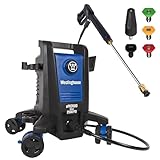
When it comes to maintaining the integrity and appearance of your roof, electric pressure washers offer significant advantages. They provide efficient cleaning by effectively removing dirt, moss, and algae without requiring the extensive manual labor of traditional methods. This efficiency saves time while delivering a more thorough cleaning result, restoring your roof’s condition with minimal physical effort.
Electric pressure washers are typically lighter and operate more quietly than gas-powered models, making them more practical for homeowners. Their maneuverability around properties eliminates the challenges associated with heavier equipment, and their reduced noise output creates less disturbance. These characteristics make roof cleaning more accessible, particularly for individuals with limited power tool experience.
Furthermore, electric models are more environmentally sustainable, producing fewer emissions while maintaining effective cleaning performance.
Key Takeaways
- Electric pressure washers offer efficient and eco-friendly roof cleaning with less water usage.
- Safety measures, such as wearing protective gear and ensuring stable footing, are crucial when cleaning roofs.
- Selecting the right pressure washer involves considering pressure settings and nozzle types suitable for roof materials.
- Following a step-by-step cleaning process helps prevent damage and ensures thorough roof maintenance.
- Avoid common errors like using excessive pressure or improper angles to protect your roof’s integrity.
Safety Precautions When Using an Electric Pressure Washer on Your Roof
Safety should always be your top priority when using an electric pressure washer, especially on a roof where the risk of falls is heightened. Before you even think about starting the machine, ensure that you have the right safety gear. This includes non-slip shoes, gloves, and protective eyewear to shield your eyes from debris that may be dislodged during the cleaning process.
It’s also wise to wear a hard hat if you’re working in an area where falling objects could pose a risk. In addition to personal protective equipment, you should also assess your roof’s condition before beginning. Look for loose shingles or structural issues that could compromise your safety while working at height.
If your roof is particularly steep or if you feel uncomfortable working on it, consider using a harness or securing yourself with ropes to prevent falls. Always ensure that your ladder is stable and positioned correctly before climbing up to reach your roof. By taking these precautions, you can significantly reduce the risk of accidents and injuries while cleaning your roof.
Choosing the Right Electric Pressure Washer for Roof Cleaning

Selecting the right electric pressure washer is crucial for effective roof cleaning. Not all models are created equal, and understanding the specifications can help you make an informed decision. Look for a unit with a pressure rating between 1,500 to 2,500 PSI (pounds per square inch), as this range is typically sufficient for removing dirt and grime without damaging roofing materials.
Additionally, consider the flow rate measured in gallons per minute (GPM); a higher GPM will allow for quicker cleaning as it delivers more water. Another important factor is the type of nozzle that comes with the pressure washer. A 25-degree nozzle is often ideal for roof cleaning as it provides a good balance between pressure and coverage area.
Some models also come with adjustable nozzles or interchangeable tips, which can be beneficial for tackling different surfaces on your roof. Lastly, consider the length of the power cord and hose; longer lengths will give you more flexibility in reaching various areas without needing to reposition the machine frequently.
Step-by-Step Guide to Cleaning Your Roof with an Electric Pressure Washer
Once you’ve gathered your equipment and ensured safety precautions are in place, it’s time to get started on cleaning your roof. Begin by preparing the area around your home. Move any outdoor furniture or decorations away from the house to prevent damage from falling debris or water spray.
It’s also wise to cover any plants or landscaping features that could be affected by the pressure washing process. Next, set up your electric pressure washer according to the manufacturer’s instructions. Attach the appropriate nozzle and connect the water supply.
Before you begin washing your roof, it’s advisable to wet down any nearby plants or landscaping to protect them from potential chemical runoff if you plan to use any cleaning solutions. Start at the highest point of your roof and work your way down in sections. This method ensures that dirt and debris flow downwards rather than being pushed upwards into already cleaned areas.
Maintain a consistent distance from the surface—typically around 12 inches—to avoid damaging shingles while still effectively removing grime.
Common Mistakes to Avoid When Using an Electric Pressure Washer on Your Roof
| Metric | Specification | Details |
|---|---|---|
| Power Source | Electric | Requires standard electrical outlet, no gasoline needed |
| Pressure (PSI) | 1500 – 2200 | Optimal range for effective roof cleaning without damage |
| Flow Rate (GPM) | 1.2 – 1.5 | Water flow suitable for removing dirt and moss |
| Power Consumption | 1400 – 1800 Watts | Energy efficient for residential use |
| Weight | 15 – 25 lbs | Lightweight for easy maneuverability on roofs |
| Hose Length | 20 – 30 feet | Allows reach to high or wide roof areas |
| Nozzle Types | 0°, 15°, 25°, 40° | Variety of spray angles for different cleaning needs |
| Safety Features | GFCI Plug, Thermal Overload Protection | Prevents electrical hazards and motor overheating |
| Noise Level | 60 – 70 dB | Quieter operation compared to gas-powered washers |
| Recommended Usage Time | Up to 30 minutes continuous | Prevents motor overheating during extended cleaning |
While using an electric pressure washer can be straightforward, there are several common mistakes that you should be aware of to ensure a successful cleaning experience. One frequent error is using too much pressure on delicate roofing materials. If you apply excessive force, you risk damaging shingles or tiles, which can lead to costly repairs down the line.
Always start with a lower pressure setting and gradually increase it if necessary. Another mistake is neglecting to clean in sections or failing to follow a systematic approach. Rushing through the process can lead to missed spots or uneven cleaning results.
Take your time and work methodically from one side of the roof to the other, ensuring that each section is thoroughly cleaned before moving on. Additionally, avoid using harsh chemicals unless absolutely necessary; many roofing materials can be damaged by strong detergents or bleach solutions. Instead, opt for eco-friendly cleaners specifically designed for roofs if needed.
Tips for Maintaining Your Roof After Using an Electric Pressure Washer

After you’ve successfully cleaned your roof with an electric pressure washer, it’s essential to take steps to maintain its condition moving forward. One effective strategy is to conduct regular inspections of your roof at least twice a year—once in spring and once in fall. During these inspections, look for signs of wear and tear such as loose shingles, moss growth, or any debris accumulation that could lead to future problems.
Additionally, consider implementing preventive measures such as installing gutter guards or trimming overhanging branches that may drop leaves or debris onto your roof. Keeping gutters clean and free-flowing will help prevent water buildup that can lead to mold growth or structural damage over time. Lastly, if you notice any persistent issues after cleaning, don’t hesitate to consult a professional roofer who can provide expert advice and repairs as needed.
When it comes to roof cleaning, you may find yourself weighing the pros and cons of hiring a professional versus tackling the job yourself with an electric pressure washer. On one hand, hiring a professional can save you time and provide peace of mind knowing that experienced technicians are handling the job safely and effectively. They have access to specialized equipment and techniques that may yield better results than a DIY approach.
On the other hand, if you’re comfortable using an electric pressure washer and have some experience with home maintenance tasks, doing it yourself can be rewarding both financially and personally. You’ll save on labor costs and gain valuable skills in maintaining your home. However, it’s crucial to assess your comfort level with heights and equipment before deciding on a DIY approach.
If you feel uncertain about any aspect of the process, it may be best to leave it to the professionals.
Environmental Impact of Using an Electric Pressure Washer for Roof Cleaning
Using an electric pressure washer for roof cleaning can have a positive environmental impact compared to traditional cleaning methods. Electric models produce fewer emissions than gas-powered machines, making them a more eco-friendly choice for homeowners concerned about their carbon footprint. Additionally, many electric pressure washers are designed to use less water than conventional methods, which is beneficial in areas where water conservation is essential.
However, it’s important to consider how you dispose of any runoff from your cleaning process. If you’re using chemical cleaners, ensure they are biodegradable and safe for plants and wildlife in your area. By choosing eco-friendly products and being mindful of runoff management, you can enjoy a clean roof while minimizing harm to the environment around you.
Ultimately, responsible use of an electric pressure washer not only enhances your home’s appearance but also contributes positively to local ecosystems.
When considering the best methods for cleaning your roof, an electric pressure washer can be an excellent choice due to its efficiency and ease of use. For those looking to understand the cleaning power of different pressure washers, you might find the article on the pressure washer cleaning power chart particularly helpful. This resource provides valuable insights into the various pressure levels and their effectiveness for different cleaning tasks, including roof cleaning.




Leave a Reply