Pressure washing pavers is a critical maintenance practice for preserving outdoor surfaces. Pavers naturally accumulate dirt, grime, algae, moss, and organic debris over time, which can cause discoloration and surface degradation. Regular pressure washing removes these contaminants, restoring the pavers’ original appearance and extending their lifespan.
The cleaning process serves multiple functions beyond aesthetic improvement. Removing organic growth such as algae and moss prevents surface deterioration and reduces slip hazards. Additionally, eliminating mold and mildew helps maintain a healthier outdoor environment and prevents these organisms from penetrating deeper into the paver material.
Pressure washing also serves as essential preparation for protective treatments. Clean surfaces allow sealants and protective coatings to bond effectively with the paver material, maximizing their protective properties and longevity. Proper surface preparation ensures optimal adhesion and performance of these treatments.
From a maintenance perspective, regular pressure washing represents a cost-effective preventive measure. By removing damaging substances before they cause permanent staining or structural damage, property owners can avoid more expensive restoration or replacement procedures. This maintenance approach helps preserve the investment in hardscaping materials and maintains property value over time.
Key Takeaways
- Pressure washing is essential for maintaining the appearance and longevity of pavers.
- Selecting the appropriate pressure washer and nozzle is crucial to avoid damaging the pavers.
- Proper preparation, including clearing debris and testing a small area, ensures effective cleaning.
- Applying sealant after washing helps protect pavers from stains and weather damage.
- Safety measures and weighing the pros and cons of DIY versus professional services are important for best results.
Choosing the Right Pressure Washer for Your Pavers
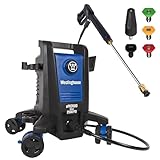
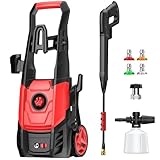
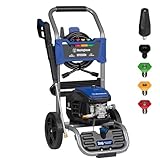
Selecting the appropriate pressure washer for your pavers is crucial to achieving optimal results without causing damage. You’ll want to consider several factors, including the pressure rating, flow rate, and type of nozzle. A pressure washer with a rating between 2,000 and 3,000 PSI is generally suitable for cleaning pavers effectively.
However, if your pavers are particularly delicate or have been sealed previously, opting for a lower PSI may be wise to avoid any potential harm. In addition to pressure, the flow rate measured in gallons per minute (GPM) is also important.
Furthermore, choosing the right nozzle is essential; a wide-angle nozzle (25 or 40 degrees) is typically recommended for pavers to distribute the water evenly and minimize the risk of etching or damaging the surface. By carefully selecting the right equipment, you can ensure that your pressure washing project is both effective and safe.
Preparing Your Pavers for Pressure Washing

Before diving into the pressure washing process, it’s vital to prepare your pavers adequately. Start by clearing the area of any furniture, planters, or other obstacles that may hinder your cleaning efforts. This not only provides you with ample space to work but also protects your belongings from potential water damage or debris during the washing process.
Once the area is clear, take a moment to inspect your pavers for any loose stones or cracks that may need attention before you begin. Next, it’s beneficial to sweep or blow away loose dirt and debris from the surface of your pavers. This initial step helps prevent larger particles from becoming embedded in the surface during pressure washing.
If you notice any weeds or grass growing between the pavers, consider removing them manually or using a weed killer to ensure a thorough clean. Taking these preparatory steps will set you up for success and help you achieve a more effective cleaning result.
Step-by-Step Guide to Pressure Washing Your Pavers
Once you’ve prepared your pavers, it’s time to get started with the pressure washing process. Begin by setting up your pressure washer according to the manufacturer’s instructions. Attach the appropriate nozzle and ensure that all connections are secure.
Fill the washer with water and check that it’s functioning correctly before proceeding to the paver area. Start at one end of your paved surface and work your way systematically across to avoid missing any spots. Hold the nozzle at a consistent distance of about 12 inches from the surface to prevent damage while still effectively removing dirt and grime.
Use sweeping motions rather than focusing on one spot for too long; this technique helps distribute the water evenly and prevents etching. If you encounter particularly stubborn stains or areas of heavy build-up, you may need to slow down and apply more concentrated pressure in those spots. As you work through the entire area, periodically check your progress to ensure that you’re achieving the desired results.
Once you’ve finished washing all sections of your pavers, take a moment to rinse off any remaining soap or cleaning solution if you used one during the process. Allow your pavers to dry completely before moving on to any sealing or maintenance tasks.
Tips for Removing Tough Stains and Build-Up
| Step | Action | Recommended Pressure (PSI) | Nozzle Type | Estimated Time | Safety Tips |
|---|---|---|---|---|---|
| 1 | Clear the area of debris and furniture | N/A | N/A | 5-10 minutes | Wear gloves and safety glasses |
| 2 | Pre-wet the pavers with water | Low pressure (500-1000 PSI) | Wide fan nozzle (25-40 degrees) | 2-3 minutes | Avoid direct spray on plants |
| 3 | Apply detergent or cleaning solution | Low pressure (500-1000 PSI) | Wide fan nozzle (25-40 degrees) | 5-10 minutes | Use biodegradable detergent |
| 4 | Let detergent sit for 5-10 minutes | N/A | N/A | 5-10 minutes | Do not let detergent dry on surface |
| 5 | Pressure wash the pavers | 1500-2500 PSI | Narrow fan nozzle (15 degrees) | 10-20 minutes | Keep nozzle 12-18 inches from surface |
| 6 | Rinse thoroughly with clean water | Low pressure (500-1000 PSI) | Wide fan nozzle (25-40 degrees) | 5-10 minutes | Avoid pooling water |
| 7 | Allow pavers to dry completely | N/A | N/A | Several hours | Keep area clear of foot traffic |
While pressure washing is effective for general cleaning, some stains may require additional attention. For oil stains, which can be particularly challenging, consider using a degreaser specifically designed for outdoor surfaces. Apply the degreaser according to the product instructions and allow it to sit for a few minutes before pressure washing over it again.
This extra step can help lift stubborn stains that would otherwise remain after a standard wash. For organic stains caused by leaves or plant matter, a mixture of vinegar and water can be an effective solution. Spray this mixture onto the stained area and let it sit for about 15 minutes before scrubbing gently with a stiff-bristled brush.
Afterward, follow up with your pressure washer to rinse away both the stain and any remaining residue from the cleaning solution. By employing these targeted techniques, you can tackle tough stains head-on and restore your pavers to their former glory.
Aftercare: Sealing and Maintaining Your Pavers

After successfully pressure washing your pavers, it’s essential to consider aftercare to prolong their life and maintain their appearance. One of the most effective ways to protect your pavers is by applying a sealant once they are completely dry. Sealants create a barrier against moisture, dirt, and stains while enhancing the color of your pavers.
When selecting a sealant, look for one specifically designed for use on paver surfaces and follow the manufacturer’s instructions for application. In addition to sealing, regular maintenance is key to keeping your pavers looking their best. This includes routine cleaning—ideally every six months—to prevent build-up from occurring again.
You should also keep an eye out for any weeds or grass that may sprout between pavers and remove them promptly to avoid further complications. By incorporating these aftercare practices into your routine, you can ensure that your pavers remain beautiful and functional for years to come.
Safety Precautions for Pressure Washing Pavers
While pressure washing can be an effective way to clean your pavers, it’s crucial to prioritize safety throughout the process. Start by wearing appropriate protective gear such as safety goggles, gloves, and sturdy footwear to shield yourself from debris and high-pressure water spray. Additionally, be mindful of your surroundings; ensure that children and pets are kept at a safe distance while you work.
Before using your pressure washer, familiarize yourself with its operation manual and safety features. Always check hoses and connections for leaks or damage before starting up the machine. When operating the washer, maintain a firm grip on the wand and avoid pointing it at yourself or others.
By taking these safety precautions seriously, you can enjoy a successful pressure washing experience without unnecessary risks.
When it comes to pressure washing your pavers, you may find yourself weighing the options between tackling the job yourself or hiring a professional service.
If you have experience with power tools and feel comfortable operating a pressure washer, doing it yourself can save you money while allowing you to take pride in completing the task independently.
However, if you’re unsure about how to use a pressure washer or if your pavers require specialized care due to their condition or material type, hiring a professional may be worth considering. Professionals have access to high-quality equipment and possess expertise in handling various surfaces safely and effectively. Additionally, they can often identify underlying issues that may need attention beyond just cleaning.
Ultimately, whether you choose DIY or professional services will depend on your comfort level with the task at hand and your budget considerations. Whichever route you take, ensuring that your pavers receive proper care will lead to a more beautiful outdoor space that enhances your home’s overall appeal.
If you’re looking to effectively pressure wash your pavers, it’s essential to understand the right techniques and equipment to use. For a comprehensive guide on selecting the best pressure washer for various cleaning tasks, including pavers, check out this article on the best pressure washers of 2020. This resource will help you choose the right model to ensure your outdoor surfaces are cleaned efficiently and effectively.




Leave a Reply