Pressure washing your patio offers numerous benefits beyond aesthetic improvement. Primarily, it removes accumulated dirt, grime, and algae that not only diminish visual appeal but also create slippery surfaces that pose safety risks. Using a pressure washer effectively eliminates these contaminants, restoring your patio’s original condition while creating a safer environment for everyone who uses the space.
Additionally, regular pressure washing extends the lifespan of patio materials. Dirt and organic growth can degrade surfaces over time, potentially leading to expensive repairs or replacements. Mold and mildew can infiltrate porous materials such as concrete or stone, causing structural damage.
Through consistent pressure washing maintenance, you can prevent this deterioration and preserve your investment. This practice also helps identify minor issues early, enabling timely repairs before they develop into more serious problems.
Key Takeaways
- Pressure washing enhances patio appearance and prevents damage by removing dirt, mold, and stains.
- Selecting the appropriate pressure washer depends on patio material and pressure settings to avoid surface damage.
- Proper preparation, including clearing furniture and sweeping debris, ensures effective and safe cleaning.
- Following a step-by-step process helps achieve thorough cleaning while protecting the patio surface.
- Regular maintenance and safety precautions prolong patio life and reduce the need for professional services.
Choosing the Right Pressure Washer for Your Patio
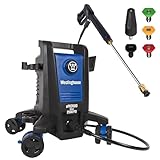
Selecting the appropriate pressure washer for your patio is crucial to achieving optimal results. Pressure washers come in various types, including electric and gas models, each with its own set of advantages and disadvantages. Electric pressure washers are typically lighter and quieter, making them ideal for residential use.
They are also easier to maintain and are less expensive upfront. However, they may not provide the same level of power as gas models, which can be a consideration if your patio has not been cleaned in a long time or if it has particularly stubborn stains. On the other hand, gas pressure washers offer higher pressure levels and greater mobility since they do not require an electrical outlet.
This makes them suitable for larger patios or more extensive cleaning tasks. When choosing a pressure washer, consider the PSI (pounds per square inch) and GPM (gallons per minute) ratings. A machine with a PSI of 2000-3000 is generally sufficient for most patio cleaning tasks.
Additionally, look for models that come with interchangeable nozzles, as different spray patterns can be beneficial for various surfaces and types of dirt.
Preparing Your Patio for Pressure Washing

Before diving into the pressure washing process, proper preparation is essential to ensure effective cleaning and to protect surrounding areas. Start by clearing the patio of any furniture, plants, or decorative items. This not only provides you with unobstructed access to the surface but also prevents any potential damage to your belongings from water or debris.
If you have potted plants or delicate items nearby, consider moving them to a safe location until the cleaning is complete. Next, inspect the patio for any loose debris or large particles that could become projectiles during pressure washing. Sweep the area thoroughly to remove leaves, dirt, and other debris.
Additionally, check for any cracks or damage in the surface material; addressing these issues beforehand can prevent further damage during the cleaning process. If you notice any significant cracks or loose stones, it may be wise to repair them before proceeding with pressure washing to avoid exacerbating the problem.
Step-by-Step Guide to Pressure Washing Your Patio
Once your patio is prepared, it’s time to begin the pressure washing process. Start by setting up your pressure washer according to the manufacturer’s instructions. Ensure that all connections are secure and that you have selected the appropriate nozzle for your cleaning task.
A wider spray pattern is generally better for large areas, while a narrower pattern can be used for tougher stains. Begin washing from one end of the patio and work your way systematically across the surface. Hold the wand at a consistent distance from the surface—typically around 12 inches—to avoid causing damage while still effectively removing dirt and grime.
Use a sweeping motion as you move along the surface, overlapping each pass slightly to ensure even cleaning. Pay special attention to corners and edges where dirt tends to accumulate; adjusting your angle can help reach these areas more effectively. As you work through the entire patio, periodically check your progress to ensure that you are achieving the desired results.
If you encounter particularly stubborn stains or areas that require extra attention, consider slowing down your pace or using a specialized cleaning solution designed for pressure washers. After completing the washing process, rinse the patio thoroughly with clean water to remove any remaining soap or debris.
Dealing with Tough Stains and Mold
| Step | Action | Recommended Pressure (PSI) | Water Flow Rate (GPM) | Time Required | Safety Tips |
|---|---|---|---|---|---|
| 1 | Clear the patio of furniture and debris | N/A | N/A | 5-10 minutes | Wear gloves to protect hands |
| 2 | Pre-wet the patio surface | Low pressure (500-1000 PSI) | 1.5-2.5 GPM | 2-3 minutes | Keep nozzle at least 12 inches from surface |
| 3 | Apply detergent or cleaning solution | Low pressure (500-1000 PSI) | 1.5-2.5 GPM | 5 minutes (let sit) | Use biodegradable detergent |
| 4 | Pressure wash the patio | 1500-2500 PSI | 2.0-3.0 GPM | 10-20 minutes | Wear eye protection and sturdy shoes |
| 5 | Rinse thoroughly with clean water | Low pressure (500-1000 PSI) | 1.5-2.5 GPM | 5-10 minutes | Avoid directing water towards electrical outlets |
| 6 | Allow patio to dry completely | N/A | N/A | Several hours | Keep area clear of foot traffic |
Despite thorough pressure washing, some stains may prove resistant to standard cleaning methods. Oil stains from grills or furniture can be particularly challenging to remove. For these types of stains, pre-treating with a degreaser can be highly effective.
Apply the degreaser according to the product instructions and allow it to sit for a specified period before pressure washing again.
Mold and mildew are other common issues that may require special attention during cleaning.
These growths thrive in damp environments and can be particularly stubborn on porous surfaces like concrete or stone. To combat mold effectively, consider using a mixture of water and bleach or a commercial mold remover specifically designed for outdoor use. Apply this solution directly to affected areas and allow it to sit for several minutes before pressure washing.
Safety Tips for Pressure Washing Your Patio
Safety should always be a top priority when pressure washing your patio. The high-pressure water stream can pose risks if not handled properly. First and foremost, always wear appropriate personal protective equipment (PPE), including safety goggles to protect your eyes from flying debris and heavy-duty gloves to shield your hands from chemicals or sharp objects.
Additionally, be mindful of your footing while pressure washing; wet surfaces can become slippery quickly. It’s advisable to wear non-slip footwear to maintain traction as you work. If you are using a gas-powered pressure washer, ensure that you are operating it in a well-ventilated area to avoid inhaling harmful fumes.
Lastly, keep children and pets at a safe distance from the work area to prevent accidents.
Maintaining Your Patio After Pressure Washing
After successfully pressure washing your patio, implementing a maintenance routine is essential to keep it looking pristine for longer periods. Regular sweeping can help prevent dirt accumulation and reduce the frequency of deep cleaning sessions. Additionally, consider applying a sealant designed for your specific patio material after cleaning; this can provide an extra layer of protection against stains and weathering.
It’s also beneficial to inspect your patio periodically for signs of mold or mildew growth, especially in shaded areas where moisture tends to linger. If you notice any early signs of these issues, address them promptly with appropriate cleaning solutions before they become more entrenched problems. By staying proactive in your maintenance efforts, you can significantly extend the life of your patio and maintain its visual appeal.
When it comes to pressure washing your patio, one critical decision is whether to tackle the job yourself or hire a professional service. Each option has its own set of advantages and disadvantages that should be carefully considered based on your specific circumstances. Opting for a DIY approach allows you greater control over the process and can save money on labor costs.
You have the flexibility to choose when and how thoroughly you want to clean your patio without being bound by someone else’s schedule. However, this route requires an investment in equipment if you don’t already own a pressure washer, as well as time spent on preparation and execution. Conversely, hiring a professional service can alleviate much of the burden associated with pressure washing.
Professionals typically have access to high-grade equipment and possess experience that can lead to superior results in less time than an inexperienced homeowner might achieve on their own. However, this convenience comes at a cost; professional services can be expensive depending on the size of your patio and local market rates. Ultimately, whether you choose to DIY or hire professionals will depend on factors such as budget constraints, available time, and personal comfort with operating pressure washing equipment.
Each option has its merits; weighing these against your specific needs will help you make an informed decision that best suits your situation.
If you’re looking to effectively pressure wash your patio, it’s essential to understand the equipment and techniques involved. A great resource to enhance your knowledge is the article on 5 Must-Watch Pressure Washer Videos Before You Actually Use One. This article provides valuable insights and visual demonstrations that can help you master the art of pressure washing, ensuring your patio looks its best.




Leave a Reply