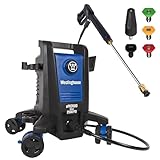
Soft wash pressure washing is a cleaning method that utilizes low-pressure water combined with specialized cleaning solutions to effectively remove dirt, mold, mildew, and other contaminants from various surfaces. Unlike traditional pressure washing, which relies on high-pressure water jets that can potentially damage delicate surfaces, soft washing is designed to be gentle yet effective. This technique is particularly beneficial for cleaning roofs, siding, decks, and other surfaces that require a more delicate touch.
By using a combination of low pressure and effective cleaning agents, soft washing ensures that your home’s exterior is not only clean but also protected from potential damage. When you engage in soft wash pressure washing, you can expect a thorough cleaning process that targets the root of the problem rather than just the surface. The cleaning solutions used in soft washing are often biodegradable and environmentally friendly, making this method a responsible choice for homeowners who are conscious of their ecological footprint.
As you consider this cleaning option, it’s essential to understand how it differs from traditional pressure washing and why it may be the best choice for your home’s exterior maintenance.
Key Takeaways
- Soft wash pressure washing is a cleaning method that uses low-pressure water combined with biodegradable chemicals to safely and effectively clean exterior surfaces.
- The benefits of soft wash pressure washing include gentle yet thorough cleaning, prevention of damage to delicate surfaces, and longer-lasting results compared to traditional pressure washing.
- To prepare your home for soft wash pressure washing, remove any obstacles, cover delicate plants and outdoor furniture, and close windows and doors to prevent water and chemicals from entering the interior.
- When choosing the right soft wash pressure washer, consider factors such as pressure settings, nozzle types, and the ability to adjust chemical mix ratios for different surfaces.
- Different surfaces require different soft wash pressure washing techniques, such as using lower pressure and less chemical for delicate surfaces like stucco or wood.
Benefits of Soft Wash Pressure Washing
One of the primary benefits of soft wash pressure washing is its ability to effectively eliminate harmful organisms such as mold, mildew, and algae without causing damage to your property. These contaminants can not only make your home look unappealing but can also lead to long-term structural issues if left untreated. By opting for soft washing, you can ensure that these issues are addressed safely and efficiently.
The gentle nature of this method means that even sensitive materials like shingles or painted surfaces can be cleaned without fear of chipping or peeling. Another significant advantage of soft wash pressure washing is its longevity. The cleaning solutions used in this process often contain algaecides and fungicides that help prevent the regrowth of mold and mildew for an extended period.
This means that after a soft wash treatment, your home will not only look cleaner but will also stay cleaner for longer. This long-lasting effect can save you time and money in the long run, as you won’t need to clean as frequently or deal with the potential damage caused by neglecting these issues.
How to Prepare Your Home for Soft Wash Pressure Washing

Preparing your home for soft wash pressure washing is an essential step to ensure the best results. Start by removing any outdoor furniture, decorations, or potted plants from the areas that will be cleaned. This not only protects your belongings from potential damage but also provides the cleaning team with unobstructed access to all surfaces. Additionally, you should cover any electrical outlets or fixtures with plastic sheeting to prevent water from entering and causing electrical issues.
Next, it’s wise to inspect your home for any loose siding or shingles that may need attention before the cleaning process begins. If you notice any areas that require repair, it’s best to address these issues beforehand to avoid further damage during the soft washing process. Finally, ensure that your windows are closed tightly and that any vents are covered to prevent water from entering your home.
Taking these preparatory steps will help ensure a smooth and effective soft wash experience.
Choosing the Right Soft Wash Pressure Washer
| Pressure Washer Model | Maximum PSI | Flow Rate (GPM) | Nozzle Tips Included | Hose Length (ft) |
|---|---|---|---|---|
| Model A | 2500 | 2.3 | 4 | 25 |
| Model B | 3000 | 2.5 | 5 | 30 |
| Model C | 2000 | 2.0 | 3 | 20 |
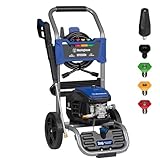
When it comes to selecting the right soft wash pressure washer for your needs, there are several factors to consider. First and foremost, you’ll want to look for a machine that offers adjustable pressure settings. This feature allows you to customize the pressure output based on the surface you’re cleaning, ensuring that you can effectively remove dirt without causing damage.
Additionally, consider a unit that has a built-in detergent tank, as this will make it easier to apply cleaning solutions during the soft washing process. Another important aspect to consider is the size and weight of the pressure washer. If you plan on using it for larger areas or multiple stories, a more powerful machine may be necessary.
Lastly, read reviews and seek recommendations from others who have experience with soft wash pressure washers to ensure you’re making an informed decision.
Soft Wash Pressure Washing Techniques for Different Surfaces
Different surfaces require different techniques when it comes to soft wash pressure washing. For instance, when cleaning roofs, it’s crucial to use a low-pressure setting combined with a specialized roof cleaning solution. This approach helps prevent damage to shingles while effectively removing moss and algae buildup.
Always start from the top of the roof and work your way down to ensure that dirty water doesn’t run over already cleaned areas. When it comes to siding, whether vinyl or wood, using a fan spray nozzle can help distribute the cleaning solution evenly across the surface. It’s important to apply the solution from the bottom up to avoid streaking and allow it to dwell for a few minutes before rinsing off with low-pressure water.
For decks and patios, be sure to use a cleaner specifically designed for wood or composite materials to avoid damaging them during the cleaning process.
Safety Tips for Using Soft Wash Pressure Washer

Safety should always be a top priority when using a soft wash pressure washer. Before starting any cleaning project, make sure you’re wearing appropriate protective gear such as gloves, goggles, and non-slip footwear. These items will help protect you from potential injuries caused by slipping or coming into contact with harsh chemicals used in the cleaning solutions.
Additionally, be mindful of your surroundings while operating the pressure washer. Ensure that children and pets are kept at a safe distance from the work area to prevent accidents. If you’re working on a ladder or elevated surface, take extra precautions by securing yourself properly and having someone assist you if needed.
By following these safety tips, you can enjoy a successful soft wash pressure washing experience without unnecessary risks.
Common Mistakes to Avoid When Soft Wash Pressure Washing
One common mistake many homeowners make when attempting soft wash pressure washing is using too much pressure. While it may seem tempting to crank up the power for faster results, doing so can lead to damage on delicate surfaces like roofs or siding. Always remember that soft washing is about using low pressure combined with effective cleaning solutions; resist the urge to increase pressure unnecessarily.
Another mistake is neglecting to allow the cleaning solution adequate dwell time before rinsing it off. Many people rush through the process and fail to give the solution enough time to break down dirt and grime effectively. Be sure to follow the manufacturer’s instructions regarding dwell time for optimal results.
Taking your time and being mindful of these common pitfalls will lead to a more successful soft wash experience.
When considering whether to tackle soft wash pressure washing as a DIY project or hire a professional service, there are several factors to weigh. If you have experience with pressure washing equipment and feel comfortable handling chemicals safely, you may choose to do it yourself. This option can save you money and allow you to take pride in completing the task on your own.
However, hiring a professional service often comes with its own set of advantages. Professionals have access to high-quality equipment and specialized knowledge about different surfaces and cleaning solutions.
Ultimately, your decision should be based on your comfort level with the task at hand and whether you value convenience over cost savings.
Environmental Impact of Soft Wash Pressure Washing
The environmental impact of soft wash pressure washing is an important consideration for many homeowners today. One of the key benefits of this method is its use of biodegradable cleaning solutions that minimize harm to surrounding plants and wildlife. Unlike traditional pressure washing methods that may rely on harsh chemicals or high-pressure water jets that can cause runoff pollution, soft washing focuses on gentle yet effective cleaning techniques.
Additionally, by effectively removing mold and mildew from your home’s exterior, soft wash pressure washing can contribute positively to air quality in your area. Mold spores can become airborne and affect respiratory health; thus, eliminating them helps create a healthier living environment both inside and outside your home. By choosing soft wash pressure washing as your preferred cleaning method, you’re making an environmentally conscious choice that benefits both your property and the planet.
Maintaining the Results of Soft Wash Pressure Washing
Once you’ve invested time and resources into soft wash pressure washing your home’s exterior, maintaining those results is crucial for long-term cleanliness and appearance. One effective way to do this is by regularly inspecting your home for signs of mold or mildew growth after heavy rain or humid weather conditions. If you notice any regrowth, address it promptly with appropriate cleaning solutions before it has a chance to spread.
Another maintenance tip is to keep gutters clean and free of debris so that water can flow freely away from your home’s exterior surfaces. Clogged gutters can lead to water pooling against walls or roofs, creating an environment conducive to mold growth. By taking these proactive steps, you can help ensure that your home remains clean and well-maintained long after the initial soft wash treatment.
Cost Considerations for Soft Wash Pressure Washing
When planning for soft wash pressure washing services, understanding cost considerations is essential for budgeting purposes. The price of soft washing can vary based on several factors including the size of your home, the type of surfaces being cleaned, and your geographical location. On average, homeowners can expect to pay anywhere from $0.15 to $0.50 per square foot for professional services.
It’s also important to factor in any additional costs associated with repairs or maintenance that may be needed prior to cleaning. If you have loose shingles or damaged siding that requires attention before soft washing can take place, these repairs will add to your overall expenses. By being aware of these cost considerations upfront, you can make informed decisions about how best to proceed with your soft wash pressure washing project while staying within budget.
If you are interested in learning more about pressure washers, you may want to check out this article on pressure washers for dummies: a complete guide. This comprehensive guide covers everything you need to know about pressure washers, including how to use them effectively and safely. It’s a great resource for beginners or anyone looking to brush up on their knowledge of pressure washing equipment.
FAQs
What is a soft wash pressure washer?
A soft wash pressure washer is a type of pressure washer that uses low pressure and specialized cleaning solutions to safely and effectively clean delicate surfaces such as roofs, siding, and other exterior surfaces.
How does a soft wash pressure washer work?
A soft wash pressure washer works by using a combination of low pressure water and specially formulated cleaning solutions to gently remove dirt, grime, and other contaminants from surfaces without causing damage.
What are the benefits of using a soft wash pressure washer?
Some benefits of using a soft wash pressure washer include its ability to clean delicate surfaces without causing damage, its effectiveness in removing tough stains and contaminants, and its ability to reach high and difficult-to-access areas.
What surfaces can be cleaned with a soft wash pressure washer?
Soft wash pressure washers are commonly used to clean surfaces such as roofs, siding, stucco, wood, and other delicate exterior surfaces. They are also effective for cleaning outdoor furniture, decks, and fences.
Is a soft wash pressure washer safe to use on all surfaces?
While soft wash pressure washers are designed to be gentle on delicate surfaces, it is important to use caution and follow manufacturer’s guidelines to ensure that the equipment is used safely and effectively. Some surfaces may still require a higher pressure washer for cleaning.



Leave a Reply