When you think about maintaining your home, pressure washing might not be the first thing that comes to mind. However, this powerful cleaning method offers a multitude of benefits that can enhance both the appearance and longevity of your property. One of the most significant advantages is its ability to remove dirt, grime, mold, and mildew that accumulate over time.
These unsightly elements not only detract from your home’s aesthetic appeal but can also lead to long-term damage if left untreated. By investing in pressure washing, you can restore your home’s exterior to its original glory, making it look fresh and inviting. Moreover, pressure washing is an environmentally friendly option for cleaning.
Unlike harsh chemicals that can harm the environment, pressure washing primarily uses water and high-pressure techniques to eliminate contaminants. This means you can achieve a deep clean without worrying about the negative impact on your garden or local wildlife. Additionally, regular pressure washing can help prevent costly repairs down the line by addressing issues before they escalate.
By keeping your home clean and well-maintained, you not only enhance its curb appeal but also protect your investment for years to come.
Key Takeaways
- Pressure washing can improve the appearance and value of your home by removing dirt, grime, and stains.
- Choose the right pressure washing equipment based on the surface you are cleaning to avoid damage.
- Prepare your home for pressure washing by covering plants, closing windows, and removing obstacles.
- Use different pressure washing techniques for surfaces like wood, concrete, and siding to avoid damage.
- Stubborn stains and grime can be removed with the right pressure washing techniques and cleaning solutions.
Choosing the Right Pressure Washing Equipment
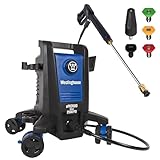
Selecting the appropriate pressure washing equipment is crucial for achieving optimal results. As you embark on this journey, consider the type of surfaces you will be cleaning and the level of grime you expect to encounter. For instance, if you’re dealing with delicate surfaces like wood or painted areas, a lower PSI (pounds per square inch) setting is essential to avoid damage.
Conversely, tougher surfaces such as concrete or brick may require a higher PSI to effectively remove stubborn stains and dirt. In addition to pressure settings, you should also evaluate the type of pressure washer that best suits your needs. Electric pressure washers are typically lighter and quieter, making them ideal for residential use and smaller jobs.
On the other hand, gas-powered models offer more power and are better suited for larger projects or commercial applications. As you weigh your options, consider factors such as portability, ease of use, and maintenance requirements. By choosing the right equipment, you can ensure a successful pressure washing experience that meets your specific cleaning needs.
Preparing Your Home for Pressure Washing

Before you dive into pressure washing, proper preparation is key to achieving the best results. Start by clearing the area around your home of any obstacles, such as furniture, potted plants, or decorations. This not only protects your belongings but also provides you with ample space to maneuver while cleaning.
Additionally, it’s wise to cover any electrical outlets or fixtures with plastic sheeting to prevent water damage. Next, inspect the surfaces you plan to clean for any loose paint or damaged areas. Addressing these issues beforehand will help prevent further damage during the pressure washing process.
If you notice any significant problems, such as cracks in your siding or driveway, consider consulting a professional before proceeding. Taking these preparatory steps will not only enhance the effectiveness of your pressure washing efforts but also ensure a safer and more efficient cleaning process.
Pressure Washing Techniques for Different Surfaces
| Surface Type | Recommended Pressure (PSI) | Recommended Nozzle | Recommended Distance |
|---|---|---|---|
| Concrete | 3000-4000 | 15-degree or 25-degree | 12-18 inches |
| Wood | 1500-2000 | 25-degree or 40-degree | 6-12 inches |
| Brick | 2500-3000 | 15-degree or 25-degree | 8-12 inches |
| Vinyl Siding | 1300-1600 | 25-degree or 40-degree | 6-12 inches |
Understanding the appropriate techniques for pressure washing various surfaces is essential for achieving optimal results without causing damage. For instance, when cleaning wood surfaces like decks or fences, it’s crucial to use a fan spray nozzle and maintain a safe distance from the surface. This helps prevent splintering or gouging while effectively removing dirt and mildew.
Additionally, using a lower PSI setting will further protect the integrity of the wood. On the other hand, when tackling concrete or brick surfaces, you can employ a more aggressive approach. A turbo nozzle can be particularly effective for these materials, as it combines high pressure with a rotating spray pattern to dislodge stubborn stains.
However, always remember to keep the nozzle moving to avoid etching the surface. By adapting your techniques based on the material you’re cleaning, you can ensure a thorough and safe pressure washing experience that leaves your home looking its best.
Removing Stubborn Stains and Grime
Even with the right equipment and techniques, some stains may prove particularly stubborn during the pressure washing process. For these tough spots, pre-treatment can be an effective strategy. Before you begin pressure washing, apply a specialized cleaner designed for the specific type of stain you’re dealing with—be it oil, rust, or mildew.
Allowing the cleaner to sit for a few minutes will help break down the stain and make it easier to remove during washing. In addition to pre-treatment solutions, adjusting your pressure washing technique can also yield better results. For instance, using a lower spray angle can help direct water more effectively at stubborn stains without risking damage to surrounding areas.
If you’re still struggling with particularly tough grime after pressure washing, consider repeating the process or using a scrub brush in conjunction with your pressure washer for added scrubbing power.
Protecting Your Home’s Exterior with Pressure Washing

Regular pressure washing not only enhances your home’s appearance but also plays a vital role in protecting its exterior from damage. Over time, dirt and organic growth like mold or algae can deteriorate surfaces and lead to costly repairs if left unchecked. By incorporating pressure washing into your home maintenance routine, you can effectively remove these harmful elements before they cause significant harm.
Furthermore, pressure washing can help maintain your home’s paint job by removing contaminants that may lead to peeling or fading over time. A clean surface allows paint to adhere better and last longer, saving you money on frequent repainting. By prioritizing regular pressure washing as part of your home care regimen, you’re investing in both aesthetics and long-term protection for your property.
Pressure Washing for Driveways and Walkways
Your driveway and walkways are often subjected to heavy foot traffic and exposure to various elements, making them prime candidates for pressure washing. Over time, oil stains from vehicles, dirt buildup, and even moss growth can make these areas look unkempt and uninviting. By utilizing pressure washing techniques specifically designed for these surfaces, you can restore their appearance and extend their lifespan.
When pressure washing driveways and walkways, it’s essential to use a surface cleaner attachment if available. This tool allows for even coverage and helps prevent streaks while effectively removing grime from large areas. Additionally, be mindful of any cracks or uneven surfaces that may require special attention during cleaning.
By taking care of these areas while pressure washing, you can ensure that your driveway and walkways remain safe and visually appealing.
Revitalizing Your Deck and Patio with Pressure Washing
Your deck and patio are outdoor spaces where you likely spend quality time with family and friends. However, exposure to the elements can lead to dirt accumulation and mildew growth over time. Pressure washing is an excellent way to revitalize these areas and prepare them for seasonal use.
By removing built-up grime and organic growth, you create a clean slate for outdoor gatherings. When pressure washing your deck or patio, it’s important to choose the right nozzle and technique based on the material used. For wooden decks, opt for a lower PSI setting and a fan spray nozzle to avoid damaging the wood fibers.
After cleaning, consider applying a protective sealant to enhance durability and maintain that freshly washed look for longer.
Enhancing Curb Appeal with Pressure Washing
Curb appeal plays a significant role in how your home is perceived by visitors and potential buyers alike.
Pressure washing is one of the most effective ways to enhance curb appeal quickly and efficiently.
By removing dirt, algae, and other unsightly elements from your home’s exterior surfaces—such as siding, windows, and gutters—you create an inviting atmosphere that reflects pride in homeownership. In addition to improving aesthetics, regular pressure washing can also signal that your home has been well-maintained over time. This attention to detail can be particularly beneficial if you’re considering selling your property in the near future.
A clean exterior not only attracts potential buyers but also sets the stage for them to envision themselves living in your home.
Hiring a Professional Pressure Washing Service
While DIY pressure washing can be rewarding, there are times when hiring a professional service is the best option for achieving optimal results. Professionals have access to high-quality equipment and possess extensive knowledge about various surfaces and cleaning techniques. This expertise ensures that your home receives the best care possible without risking damage during the process.
Additionally, hiring professionals saves you time and effort—allowing you to focus on other important tasks while they handle the heavy lifting. They can also provide valuable advice on maintaining your home’s exterior after cleaning is complete. If you’re unsure about tackling certain areas yourself or simply want peace of mind knowing that experts are handling the job, enlisting a professional service may be well worth the investment.
Maintaining the Results of Pressure Washing
Once you’ve invested time and effort into pressure washing your home’s exterior, maintaining those results is essential for long-lasting cleanliness and appeal. Regular maintenance routines can help prevent dirt buildup and keep surfaces looking fresh between washes. Consider scheduling annual or bi-annual pressure washing sessions based on your local climate conditions and environmental factors.
In addition to regular cleaning schedules, adopting simple maintenance practices can go a long way in preserving your home’s appearance. For example, promptly addressing spills on driveways or patios can prevent stains from setting in over time. Keeping gutters clear of debris will also help minimize water damage risks while maintaining overall cleanliness around your home’s exterior.
By prioritizing ongoing maintenance after pressure washing, you’ll ensure that your property remains beautiful and well-protected for years to come.
If you’re looking to have a great time while pressure washing, you might want to check out this article on how to pressure wash a car and have a great time. It offers tips and tricks for making the task more enjoyable and efficient. Additionally, if you’re in the market for a new electric pressure washer, you can browse through this list of electric pressure washers to buy now.
FAQs
What is home pressure washing?
Home pressure washing is the process of using a high-pressure water spray to clean the exterior surfaces of a home. This can include cleaning siding, decks, driveways, and other outdoor surfaces.
Why is home pressure washing important?
Home pressure washing is important for maintaining the appearance and integrity of a home’s exterior surfaces. It can remove dirt, grime, mold, mildew, and other contaminants that can build up over time and cause damage.
Is home pressure washing safe for all surfaces?
While home pressure washing can be effective for many surfaces, it is not safe for all materials. It is important to use the appropriate pressure and techniques for each surface to avoid causing damage. For example, softer surfaces like wood and certain types of siding may require lower pressure to prevent damage.
Can I do home pressure washing myself or should I hire a professional?
Home pressure washing can be done by homeowners, but it is important to use caution and follow safety guidelines. Hiring a professional can ensure that the job is done correctly and safely, especially for more challenging or delicate surfaces.
How often should I pressure wash my home?
The frequency of home pressure washing can depend on factors such as climate, the amount of dirt and grime buildup, and the type of surfaces being cleaned. In general, it is recommended to pressure wash your home at least once a year to maintain its appearance and prevent damage.




Leave a Reply