Pressure washing vinyl siding is an effective method for maintaining the aesthetic appeal and structural integrity of a home. Over time, vinyl siding can accumulate dirt, mold, mildew, and other contaminants that not only detract from its appearance but can also lead to long-term damage if left untreated. One of the primary benefits of pressure washing is its ability to restore the original luster of the siding, making it look new again.
This process can significantly enhance curb appeal, which is particularly important for homeowners looking to sell their property or simply take pride in their home’s appearance. Moreover, pressure washing vinyl siding can help prevent more serious issues down the line. Mold and mildew can thrive in damp environments, and if they are not removed, they can penetrate the siding and lead to rot or other structural problems.
By regularly pressure washing the siding, homeowners can eliminate these harmful substances before they cause significant damage. Additionally, this cleaning method is environmentally friendly when done correctly, as it often requires only water and minimal cleaning agents, reducing the need for harsh chemicals that could harm surrounding plants or wildlife.
Key Takeaways
- Pressure washing vinyl siding effectively removes dirt and mold, enhancing curb appeal and prolonging siding life.
- Proper preparation, including covering plants and checking siding condition, is essential before pressure washing.
- Selecting a pressure washer with appropriate PSI and nozzle settings prevents damage to vinyl siding.
- Following safety guidelines and best practices ensures safe and efficient pressure washing.
- Regular maintenance after washing helps keep vinyl siding clean and reduces the need for frequent deep cleaning.
Preparing Your Home for Pressure Washing
Before embarking on the pressure washing process, it is crucial to prepare your home adequately. This preparation involves several steps to ensure that the cleaning is effective and safe. First, it is essential to remove any outdoor furniture, decorations, or plants that may be in the way.
Additionally, covering windows and doors with plastic sheeting can prevent water from entering your home during the washing process. Another important aspect of preparation is inspecting the vinyl siding for any damage.
Look for cracks, loose panels, or areas where the siding may be pulling away from the house. Addressing these issues before pressure washing is vital because high-pressure water can exacerbate existing problems. If any repairs are needed, it’s best to complete them prior to cleaning to ensure that the siding is in optimal condition.
Furthermore, checking for electrical outlets and fixtures near the siding is essential; these should be covered or turned off to avoid any electrical hazards during the washing process.
Choosing the Right Pressure Washer for Your Vinyl Siding

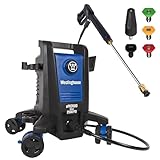
Selecting the appropriate pressure washer is a critical step in ensuring a successful cleaning of vinyl siding. Pressure washers come in various types and sizes, each designed for different cleaning tasks. For vinyl siding, a pressure washer with a PSI (pounds per square inch) rating between 1,500 and 2,500 is generally recommended.
This range provides enough power to remove dirt and grime without risking damage to the siding itself. Higher PSI ratings can be too aggressive and may lead to dents or cracks in the vinyl. In addition to PSI, consider the GPM (gallons per minute) rating of the pressure washer.
A higher GPM means more water flow, which can enhance cleaning efficiency by rinsing away dirt more effectively. Electric pressure washers are often suitable for residential use due to their ease of operation and lower noise levels compared to gas-powered models. However, gas-powered pressure washers typically offer more power and are better suited for larger areas or tougher stains.
Ultimately, choosing a pressure washer that balances power with safety will yield the best results for cleaning vinyl siding.
Safety Precautions and Best Practices for Pressure Washing
Safety should always be a top priority when pressure washing vinyl siding. The high-pressure water stream can cause injury if not handled properly. It is essential to wear protective gear such as safety goggles, gloves, and sturdy footwear to shield against potential hazards.
Additionally, it is advisable to use a long-sleeved shirt and pants to protect your skin from any debris that may be dislodged during the cleaning process. Another critical safety consideration is ensuring that all electrical connections are secure and that outlets are protected from water exposure. Using a ground fault circuit interrupter (GFCI) outlet can provide an extra layer of safety by preventing electrical shock in wet conditions.
When operating the pressure washer, maintain a safe distance from the siding—typically around 12 inches—and use a sweeping motion rather than a direct spray to avoid concentrating pressure on one spot for too long. This technique minimizes the risk of damaging the vinyl while still effectively removing dirt and grime.
Step-by-Step Guide to Pressure Washing Your Vinyl Siding
| Step | Action | Recommended Pressure (PSI) | Water Temperature | Cleaning Solution | Distance from Siding | Time per Section |
|---|---|---|---|---|---|---|
| 1 | Pre-rinse siding | 500 – 800 | Cold | None | 3 – 4 feet | 1 – 2 minutes |
| 2 | Apply cleaning solution | Low pressure (spray nozzle) | Cold or warm | Vinyl siding cleaner or mild detergent | 3 – 4 feet | 5 – 10 minutes dwell time |
| 3 | Scrub stubborn stains (optional) | N/A | N/A | Soft brush or sponge | Direct contact | As needed |
| 4 | Rinse siding | 1200 – 1600 | Cold | None | 2 – 3 feet | 1 – 3 minutes |
| 5 | Inspect and repeat if necessary | Adjust as needed | Cold | None or cleaning solution | 3 – 4 feet | Varies |
To achieve optimal results when pressure washing vinyl siding, following a systematic approach is essential. Begin by preparing your pressure washer according to the manufacturer’s instructions. Attach the appropriate nozzle; a 25-degree nozzle is often ideal for vinyl siding as it provides a good balance between power and coverage.
Fill the detergent tank with a suitable cleaning solution designed for vinyl siding if necessary. Once your equipment is ready, start at the top of one side of your home and work your way down. This method prevents dirty water from running down over already cleaned areas.
Hold the wand at a slight angle and maintain a distance of about 12 inches from the surface of the siding. Begin spraying from one corner and move horizontally across the surface in overlapping strokes. If you are using detergent, allow it to sit for a few minutes to break down dirt and stains before rinsing it off with clean water.
After applying detergent and allowing it to sit, switch back to a clean water nozzle and rinse thoroughly from top to bottom. Ensure that all detergent residues are removed, as leftover soap can attract dirt over time. Pay special attention to corners and seams where dirt tends to accumulate.
Once you have completed one section, inspect it for any missed spots or stubborn stains that may require additional attention.
Troubleshooting Common Issues with Pressure Washing

Even with careful preparation and execution, issues may arise during the pressure washing process. One common problem is streaking or uneven cleaning results on the vinyl siding. This can occur if the pressure washer nozzle is held too close or if there are inconsistencies in technique while applying detergent or rinsing.
To address this issue, ensure that you maintain a consistent distance from the surface and use even strokes throughout the process. Another frequent challenge is dealing with stubborn stains such as mold or mildew that do not respond well to standard cleaning methods. In such cases, it may be necessary to use a specialized cleaner designed specifically for mold removal on vinyl surfaces.
Apply this cleaner according to the manufacturer’s instructions and allow it sufficient time to work before rinsing it off with clean water. If stains persist after multiple attempts, consider consulting with a professional who specializes in exterior cleaning for further assistance.
Maintaining Your Vinyl Siding After Pressure Washing
Once you have successfully pressure washed your vinyl siding, implementing a maintenance routine can help prolong its cleanliness and appearance. Regular inspections should be conducted every few months to check for signs of mold or mildew growth, especially in shaded areas where moisture tends to linger longer. If any growth is detected, addressing it promptly with a gentle cleaning solution can prevent it from becoming a more significant issue.
Additionally, consider establishing a regular cleaning schedule based on your local environment. Homes located near wooded areas or in humid climates may require more frequent cleanings than those in drier regions. A good rule of thumb is to perform a thorough cleaning every year or two, depending on exposure to elements like dirt, pollen, and moisture.
By staying proactive about maintenance, homeowners can ensure their vinyl siding remains in excellent condition for years to come.
When it comes to pressure washing vinyl siding, homeowners often face the decision of whether to tackle the job themselves or hire a professional service. Each option has its advantages and disadvantages that should be carefully considered based on individual circumstances. One of the primary benefits of DIY pressure washing is cost savings; renting or purchasing a pressure washer can be more economical than hiring professionals, especially for those who enjoy home improvement projects.
However, DIY pressure washing requires time, effort, and a certain level of skill to achieve satisfactory results without damaging the siding. Homeowners must also invest time in learning proper techniques and safety precautions associated with using pressure washers effectively. On the other hand, hiring professionals ensures that experienced technicians handle the job efficiently and safely while utilizing specialized equipment that may not be readily available to homeowners.
For those who prefer convenience and peace of mind knowing that experts are handling their home’s exterior maintenance, hiring professionals may be worth the investment despite higher costs.
If you’re looking to effectively clean your vinyl siding, it’s essential to understand the best techniques and tools to use. A great resource to consider is the article on pressure washing techniques, which can provide valuable insights before you start your project. You can find helpful tips and tricks in this 5 must-watch pressure washer videos that will guide you through the process and ensure you achieve the best results.




Leave a Reply