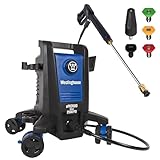
Electric pressure washing has emerged as a popular choice for homeowners looking to rejuvenate their outdoor spaces. This method utilizes high-pressure water jets to remove dirt, grime, mold, and other stubborn stains from various surfaces, including fences. If you’ve ever gazed at your weathered fence and wished for a way to restore its former glory, electric pressure washing might just be the solution you need.
Not only is it efficient, but it also offers an eco-friendly alternative to harsh chemical cleaners, making it a smart choice for those who are environmentally conscious. As you embark on this journey of revitalizing your fence, it’s essential to understand the benefits of electric pressure washing. Unlike traditional cleaning methods that can be labor-intensive and time-consuming, electric pressure washers can significantly reduce the effort required to achieve a clean surface.
With the right equipment and techniques, you can transform your fence from dull and dirty to bright and inviting in no time. This article will guide you through the entire process, from assessing the condition of your fence to maintaining it after washing, ensuring that you have all the information you need for a successful project.
Key Takeaways
- Electric pressure washing is an effective method to clean and revitalize fences.
- Proper assessment and preparation of the fence are crucial before washing.
- Selecting the appropriate electric pressure washer ensures optimal cleaning without damage.
- Using correct washing techniques and safety precautions protects both the fence and the user.
- Post-washing maintenance, including sealing, helps preserve the fence’s appearance and durability.
Assessing the Condition of Your Fence
Before diving into the pressure washing process, it’s crucial to assess the condition of your fence. Take a moment to walk around your property and closely examine the fence for any signs of damage or wear. Look for loose boards, rusted nails, or areas where the wood may be rotting.
Identifying these issues early on will help you determine whether pressure washing is sufficient or if repairs are necessary before you begin. If you notice significant damage, it may be wise to address these problems first to avoid further complications during the cleaning process. In addition to physical damage, consider the type of material your fence is made from.
Wooden fences, vinyl fences, and metal fences all require different approaches when it comes to pressure washing. For instance, wooden fences may need special care to prevent splintering or water damage, while vinyl and metal fences can typically withstand higher pressure levels. Understanding the specific needs of your fence will not only help you choose the right pressure washing techniques but also ensure that you achieve the best possible results without causing harm.
Preparing Your Fence for Pressure Washing

Once you’ve assessed the condition of your fence and determined that it’s ready for a thorough cleaning, the next step is preparation. Start by clearing the area around your fence of any obstacles such as plants, furniture, or decorations. This will create a safe working environment and prevent any accidental damage during the washing process.
Additionally, consider covering nearby plants with tarps or plastic sheeting to protect them from overspray or debris. Next, it’s essential to remove any loose dirt or debris from the surface of the fence. You can do this by using a broom or a brush to sweep away leaves, cobwebs, and other buildup.
If your fence has been neglected for some time, you may also want to use a garden hose to rinse off any larger particles before pressure washing. This initial cleaning step will help ensure that the pressure washer can effectively remove stubborn stains and grime without being hindered by excess debris.
Choosing the Right Electric Pressure Washer
Selecting the right electric pressure washer is a critical step in achieving optimal results when cleaning your fence. Electric pressure washers come in various models with different power ratings, typically measured in pounds per square inch (PSI) and gallons per minute (GPM). For most residential fencing projects, a pressure washer with a PSI rating between 1300 and 2000 should suffice.
This range provides enough power to remove dirt and stains without risking damage to the fence material. When choosing a model, also consider the GPM rating, as this indicates how much water the machine can deliver per minute. A higher GPM means more water flow, which can enhance cleaning efficiency.
Additionally, look for features such as adjustable nozzles that allow you to control the spray pattern and intensity. This versatility is particularly useful when working on different sections of your fence or when dealing with varying levels of dirt and grime.
Techniques for Pressure Washing Your Fence
| Metric | Specification | Details |
|---|---|---|
| Pressure (PSI) | 1500 – 2200 | Optimal pressure range for effective fence cleaning without damage |
| Flow Rate (GPM) | 1.2 – 1.5 | Water flow rate suitable for removing dirt and grime |
| Power Source | Electric (Corded or Battery) | Convenient and eco-friendly power options |
| Weight | 15 – 25 lbs | Lightweight for easy maneuverability around fences |
| Nozzle Types | 0°, 15°, 25°, 40° | Variety of spray angles for different cleaning needs |
| Hose Length | 20 – 30 feet | Allows reaching long fence sections without moving the unit frequently |
| Detergent Tank | Built-in or Attachments | Facilitates use of cleaning solutions for tough stains |
| Noise Level | 60 – 75 dB | Quieter operation compared to gas-powered washers |
| Price Range | 100 – 300 | Affordable options for residential fence cleaning |
With your electric pressure washer in hand and your fence prepared, it’s time to dive into the actual washing process. Start by attaching the appropriate nozzle for your task; a wider spray pattern is generally better for large areas, while a narrower spray can help target specific stains. Begin at the top of your fence and work your way down in sections.
This technique not only ensures that you’re effectively removing dirt but also prevents streaking as dirty water runs down. As you wash, maintain a consistent distance between the nozzle and the surface of the fence—typically around 12 to 18 inches—to avoid causing damage. Move the nozzle in a sweeping motion rather than holding it in one spot for too long; this will help distribute the water evenly and prevent any potential gouging of the material.
If you encounter particularly stubborn stains or areas with heavy buildup, consider using a cleaning solution specifically designed for pressure washers. Apply it according to the manufacturer’s instructions and allow it to sit for a few minutes before rinsing it off with the pressure washer.
Safety Precautions and Tips
While electric pressure washing is generally safe when done correctly, it’s essential to take certain precautions to protect yourself and your property during the process. First and foremost, always wear appropriate safety gear, including goggles to shield your eyes from debris and sturdy footwear to protect your feet from falling objects or slipping on wet surfaces. If you’re working with a wooden fence, consider wearing gloves to prevent splinters.
Additionally, be mindful of your surroundings while pressure washing. Ensure that children and pets are kept at a safe distance from your work area to avoid accidents. It’s also wise to check for any overhead power lines before starting; maintaining a safe distance from these lines is crucial when using long hoses or ladders.
Lastly, familiarize yourself with your electric pressure washer’s manual and safety features before use; understanding how to operate the machine properly will help prevent mishaps.
Maintaining and Sealing Your Fence After Pressure Washing
After successfully pressure washing your fence, it’s important to take steps to maintain its appearance and longevity. One effective way to do this is by applying a sealant or protective finish once the fence has completely dried. This step not only enhances the color of the wood but also provides a barrier against moisture, UV rays, and other environmental factors that can lead to deterioration over time.
Before applying any sealant, ensure that your fence is thoroughly dry—this may take anywhere from 24 hours to several days depending on weather conditions. Once dry, choose a high-quality sealant suitable for your specific type of fence material. Follow the manufacturer’s instructions for application, using either a brush or sprayer for even coverage.
Regular maintenance checks are also essential; inspect your fence periodically for signs of wear or damage so that you can address any issues promptly before they escalate.
Conclusion and Final Tips for Fence Revitalization
In conclusion, electric pressure washing is an effective method for revitalizing your fence and enhancing your outdoor space’s overall appearance. By following the steps outlined in this article—from assessing your fence’s condition to maintaining it post-wash—you can ensure that your efforts yield impressive results that last for years to come. Remember that preparation is key; taking the time to assess and prepare your fence will make all the difference in achieving a clean and polished look.
As you embark on this project, keep in mind that regular maintenance is crucial for preserving your fence’s beauty and integrity. By incorporating routine inspections and timely sealing into your home care regimen, you can enjoy a stunning fence that complements your property while standing up against the elements. With these tips in hand, you’re well-equipped to tackle your fence revitalization project with confidence and success!
When it comes to cleaning your fence effectively, an electric pressure washer can be an invaluable tool. For those looking to enhance their cleaning routine, you might find it helpful to check out this article on the best pressure washers for cars, which also provides insights into selecting the right pressure washer for various outdoor tasks, including fence cleaning.




Leave a Reply