
Electric pressure washers are powerful cleaning tools that utilize high-pressure water jets to remove dirt, grime, and stains from various surfaces. Unlike their gas-powered counterparts, electric models are generally lighter, quieter, and more environmentally friendly, making them an appealing choice for residential use. They operate by drawing water from a connected source, such as a garden hose, and pressurizing it through a motor-driven pump.
This pressurized water is then expelled through a nozzle, allowing users to tackle tough cleaning tasks with ease. The effectiveness of an electric pressure washer is often measured in pounds per square inch (PSI) and gallons per minute (GPM). PSI indicates the pressure at which the water is expelled, while GPM measures the flow rate.
A higher PSI means more forceful cleaning power, which is particularly useful for removing stubborn stains or dirt embedded in surfaces like concrete or brick. Conversely, GPM is crucial for determining how quickly a job can be completed; a higher GPM allows for faster rinsing and cleaning. Understanding these specifications helps users select the right model for their specific cleaning needs.
Key Takeaways
- Electric pressure washers use electric power to generate high-pressure water for cleaning tasks.
- Always follow safety guidelines and wear protective gear when operating the washer.
- Proper assembly and secure connections to water and power sources are essential before use.
- Adjust nozzle types and pressure settings based on the cleaning surface and task.
- Regular maintenance and troubleshooting help ensure efficient and long-lasting operation.
Safety Precautions and Equipment Needed
Before operating an electric pressure washer, it is essential to prioritize safety to prevent accidents and injuries. First and foremost, users should always wear appropriate personal protective equipment (PPE). This includes safety goggles to protect the eyes from flying debris, gloves to shield the hands from chemicals and high-pressure water, and sturdy footwear to prevent slips on wet surfaces.
Additionally, it is advisable to wear long pants and a long-sleeved shirt to minimize skin exposure. In terms of equipment, having the right accessories can enhance both safety and efficiency. A sturdy extension cord rated for outdoor use is necessary to ensure that the electric pressure washer can reach distant outlets without risk of electrical hazards.
Furthermore, using a surge protector can safeguard the machine from power surges that could damage its internal components. It is also beneficial to have various nozzles on hand, as different cleaning tasks may require different spray patterns and pressures. Lastly, a detergent tank or separate container for cleaning solutions can be useful for tackling particularly tough stains.
Setting Up and Assembling the Electric Pressure Washer

Setting up an electric pressure washer typically involves several straightforward steps that ensure the machine is ready for operation. First, users should carefully unpack the unit and lay out all components to familiarize themselves with the parts included in the package. Most electric pressure washers come with a user manual that provides detailed instructions on assembly; following these guidelines is crucial for proper setup.
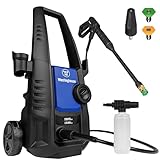
Common components include the spray wand, nozzles, hose, and detergent tank. Once familiar with the parts, users can begin assembling the pressure washer. This usually involves attaching the spray wand to the trigger gun and connecting the high-pressure hose to both the gun and the machine itself.
It is important to ensure that all connections are secure to prevent leaks during operation. Some models may also require attaching wheels or handles for easier mobility. After assembly, users should inspect the unit for any visible damage or loose parts before proceeding to the next steps.
Connecting the Water Supply and Power Source
Connecting the water supply to an electric pressure washer is a critical step that must be done correctly to ensure optimal performance. Users should start by locating a suitable water source, typically a standard garden hose faucet. It is essential to use a hose that is compatible with the pressure washer’s inlet; most models will specify the required diameter in their user manuals.
Once the correct hose is selected, it should be securely attached to both the faucet and the pressure washer’s water inlet. After establishing a water connection, the next step involves connecting the power source. Electric pressure washers require a reliable electrical outlet that matches their voltage requirements—most commonly 120 volts in North America.
Users should avoid using extension cords if possible; however, if necessary, they must ensure that the cord is rated for outdoor use and can handle the power load of the machine. Once plugged in, it is advisable to check that all connections are secure before turning on the water supply and preparing for operation.
Adjusting the Nozzle and Pressure Settings
| Step | Action | Details | Estimated Time | Safety Tips |
|---|---|---|---|---|
| 1 | Read the Manual | Review the user manual for specific instructions and safety warnings. | 5 minutes | Ensure you understand all safety precautions. |
| 2 | Check Water Supply | Connect the garden hose to the water inlet and ensure water is flowing. | 3 minutes | Use clean water to avoid clogging the washer. |
| 3 | Connect Power | Plug the electric pressure washer into a grounded outlet with proper voltage. | 2 minutes | Use a GFCI outlet to prevent electric shock. |
| 4 | Attach Spray Gun and Nozzle | Securely connect the spray gun and select the appropriate nozzle for the task. | 3 minutes | Ensure connections are tight to prevent leaks. |
| 5 | Turn On Water Supply | Open the water tap fully to allow water flow to the washer. | 1 minute | Check for leaks before starting. |
| 6 | Release Air from System | Press the trigger on the spray gun to release trapped air until water flows steadily. | 1-2 minutes | Do not run the washer without water to avoid damage. |
| 7 | Power On the Washer | Switch on the electric pressure washer using the power button or switch. | 1 minute | Stand clear of the spray area when starting. |
| 8 | Begin Cleaning | Hold the spray gun firmly and start cleaning the surface with controlled movements. | Varies | Wear protective gear such as goggles and gloves. |
The versatility of an electric pressure washer largely stems from its adjustable nozzles and pressure settings. Most models come equipped with multiple nozzles that provide different spray patterns—ranging from a narrow jet for tough stains to a wide fan spray for rinsing large areas quickly. Users should select the appropriate nozzle based on the surface being cleaned; for instance, a 0-degree nozzle delivers a concentrated stream ideal for removing stubborn grime from concrete surfaces, while a 40-degree nozzle is better suited for delicate surfaces like wood or painted areas.
In addition to nozzle selection, adjusting the pressure settings can significantly impact cleaning efficiency. Many electric pressure washers feature adjustable pressure controls that allow users to increase or decrease PSI according to their needs. For example, when cleaning vehicles or outdoor furniture, lower pressure settings can prevent damage while still effectively removing dirt.
Conversely, higher settings are ideal for heavy-duty tasks such as stripping paint or cleaning driveways. Understanding how to adjust both nozzles and pressure settings enables users to maximize their cleaning results while minimizing potential damage.
Starting and Operating the Electric Pressure Washer

Once everything is set up and adjusted, starting an electric pressure washer is typically straightforward. Users should first ensure that all connections are secure and that they are wearing appropriate safety gear. With the water supply turned on and the power cord plugged in, users can activate the machine by pressing the power button or flipping a switch—this varies by model.
It is advisable to stand clear of the nozzle when starting up to avoid any accidental spray. After powering on the machine, users should engage the trigger on the spray gun to release any air trapped in the system before beginning their cleaning task. This process helps establish consistent water flow and pressure.
Once air has been purged, users can begin cleaning by aiming the nozzle at the surface they wish to clean and pulling the trigger. It’s important to maintain a safe distance from surfaces—generally around 12 inches—to prevent damage while still achieving effective cleaning results.
Cleaning and Maintenance Tips
Regular cleaning and maintenance of an electric pressure washer are essential for ensuring its longevity and optimal performance. After each use, users should flush out any remaining detergent or debris from the system by running clean water through it for several minutes.
Additionally, users should inspect hoses and connections for any signs of wear or damage; replacing worn parts promptly can prevent more significant issues down the line. Periodic maintenance tasks include checking and replacing filters as needed, ensuring that all electrical connections are secure, and lubricating moving parts according to manufacturer recommendations. It’s also wise to store the pressure washer in a dry location away from extreme temperatures when not in use; this helps protect its components from moisture damage or freezing conditions.
By adhering to these maintenance tips, users can extend the life of their electric pressure washer while ensuring it remains effective for all cleaning tasks.
Troubleshooting Common Issues
Despite their reliability, electric pressure washers may encounter common issues that can hinder performance. One frequent problem is a lack of water pressure during operation. This issue may arise from several factors, including clogs in hoses or nozzles, insufficient water supply, or air trapped in the system.
To troubleshoot this problem, users should first check for any visible blockages in hoses or nozzles and clear them as necessary. Ensuring that the water supply is adequate and free-flowing is also crucial; if using a garden hose, it should be fully extended without kinks. Another common issue involves electrical problems such as tripped circuit breakers or blown fuses.
If an electric pressure washer fails to start or suddenly shuts off during operation, users should check their electrical connections and ensure that they are using an outlet capable of handling the machine’s power requirements. If problems persist despite these checks, consulting the user manual or contacting customer support may be necessary for further assistance. By understanding these common issues and their solutions, users can effectively troubleshoot problems and maintain their electric pressure washers in optimal working condition.
If you’re looking to start using an electric pressure washer effectively, you might find it helpful to read about the common barriers that prevent people from making a purchase. This can provide valuable insights into the benefits and considerations of owning one.


Leave a Reply