
Protective gear plays a crucial role in safeguarding individuals from potential hazards in various environments, particularly in workplaces where risks are prevalent. The significance of wearing appropriate protective equipment cannot be overstated, as it serves as the first line of defense against injuries and health issues that can arise from exposure to harmful substances, physical impacts, or environmental dangers. In industries such as construction, manufacturing, and healthcare, the absence of protective gear can lead to severe consequences, including long-term disabilities or even fatalities.
The implementation of protective gear not only enhances personal safety but also promotes a culture of safety within organizations, encouraging employees to prioritize their well-being. Moreover, the use of protective gear is often mandated by regulatory bodies and occupational safety standards. For instance, the Occupational Safety and Health Administration (OSHA) in the United States outlines specific requirements for personal protective equipment (PPE) across various industries.
Compliance with these regulations not only protects workers but also shields employers from legal liabilities and potential fines. By investing in high-quality protective gear and ensuring its proper use, organizations can foster a safer work environment, reduce accident rates, and ultimately enhance productivity. The importance of protective gear extends beyond individual safety; it contributes to the overall health and efficiency of the workforce.
Key Takeaways
- Protective gear is essential for preventing workplace injuries and ensuring safety.
- Different types of protective gear address specific hazards, including eye, respiratory, hand, foot, and hearing protection.
- Proper fit and regular maintenance of protective equipment are crucial for effective protection.
- Eye and respiratory protection guard against harmful particles, chemicals, and impacts.
- Hand, arm, foot, leg, and hearing protection help prevent injuries from physical, chemical, and noise hazards.
Types of Protective Gear
Protective gear encompasses a wide range of equipment designed to shield individuals from specific hazards. The types of protective gear can be categorized based on the body part they protect and the nature of the risks involved. Common categories include head protection, eye and face protection, respiratory protection, hand and arm protection, foot and leg protection, and hearing protection.
Each category serves a distinct purpose and is tailored to address particular hazards encountered in various work environments. Head protection is primarily provided by hard hats or helmets, which are essential in construction sites or areas where there is a risk of falling objects. Eye and face protection includes safety goggles, face shields, and safety glasses that guard against chemical splashes, flying debris, or intense light.
Respiratory protection encompasses masks and respirators designed to filter out harmful airborne particles or gases, crucial in environments with dust, fumes, or infectious agents. Hand and arm protection includes gloves made from various materials to protect against cuts, chemicals, or extreme temperatures. Foot and leg protection involves safety boots and shin guards that prevent injuries from heavy objects or punctures.
Lastly, hearing protection such as earplugs or earmuffs is vital in noisy environments to prevent hearing loss. Understanding the different types of protective gear is essential for selecting the appropriate equipment for specific tasks.
Eye Protection

Eye protection is a critical component of personal protective equipment (PPE), as the eyes are particularly vulnerable to injury in many work environments. Various hazards can threaten eye safety, including flying debris, chemical splashes, intense light exposure, and radiation. The selection of appropriate eye protection depends on the specific risks present in a given setting.
For instance, safety glasses with side shields may be suitable for general use in workshops or laboratories where there is a risk of flying particles. In contrast, face shields are more appropriate for tasks involving grinding or welding, where sparks and molten metal can pose significant threats. The materials used in eye protection are also important to consider.
Polycarbonate lenses are commonly used due to their high impact resistance and lightweight nature. Additionally, anti-fog coatings can enhance visibility in humid conditions or when transitioning between different temperatures. It is essential for employers to conduct a thorough risk assessment to determine the appropriate type of eye protection required for their workforce.
Furthermore, training employees on the correct usage and maintenance of eye protection can significantly reduce the likelihood of eye injuries.
Respiratory Protection
Respiratory protection is vital in environments where airborne contaminants pose a risk to health. Workers may be exposed to dust, fumes, vapors, or infectious agents that can lead to respiratory illnesses if inhaled. The selection of respiratory protective equipment depends on the type and concentration of contaminants present in the air.
Proper fit is crucial for respiratory protection to be effective. A poorly fitting mask can allow contaminants to bypass the filter and enter the wearer’s respiratory system.
Fit testing should be conducted regularly to ensure that employees are using equipment that provides an adequate seal around their face. Additionally, training on how to properly don and doff respiratory protection is essential to prevent contamination during removal. Employers must also establish protocols for monitoring air quality and ensuring that workers have access to appropriate respiratory protection based on their specific job tasks.
Hand and Arm Protection
| Safety Gear | Purpose | Recommended Usage | Key Features |
|---|---|---|---|
| Safety Goggles | Protect eyes from debris and water spray | Always wear when operating a pressure washer | Impact-resistant lenses, anti-fog coating |
| Protective Gloves | Shield hands from high-pressure water and chemicals | Wear chemical-resistant gloves for detergent use | Waterproof, chemical-resistant, durable grip |
| Non-slip Boots | Prevent slipping on wet surfaces | Wear sturdy, waterproof boots with good traction | Slip-resistant soles, waterproof material |
| Hearing Protection | Reduce noise exposure from pressure washer | Use earplugs or earmuffs if noise exceeds 85 dB | Noise reduction rating (NRR) 20+ dB |
| Protective Clothing | Protect skin from water spray and chemicals | Wear long sleeves and pants made of durable fabric | Water-resistant, abrasion-resistant |
| Face Shield | Additional face protection from splashes and debris | Use when working with harsh chemicals or high pressure | Full face coverage, impact-resistant |
Hand and arm protection is essential in preventing injuries caused by cuts, abrasions, chemical exposure, and thermal hazards. The choice of gloves depends on the specific risks associated with a task. For instance, cut-resistant gloves made from materials like Kevlar are ideal for jobs involving sharp tools or materials, while rubber gloves are necessary for handling chemicals that can cause skin irritation or burns.
In environments where heat exposure is a concern, heat-resistant gloves made from specialized materials can protect workers from burns. In addition to gloves, arm protection may include sleeves or gauntlets that provide extended coverage against hazards such as chemical splashes or cuts from sharp objects. It is important for employers to assess the specific risks faced by their workers and provide appropriate hand and arm protection accordingly.
Training employees on the correct use of gloves is also critical; for example, workers should be educated about the limitations of certain types of gloves and when they should be replaced due to wear or damage.
Foot and Leg Protection

Foot and leg protection is another vital aspect of personal protective equipment that helps prevent injuries from falling objects, punctures, slips, and electrical hazards. Safety footwear is designed with reinforced toes made from steel or composite materials to protect against impact injuries. Additionally, slip-resistant soles are essential in preventing falls in environments where spills or wet surfaces are common.
Leg protection may include knee pads or shin guards that provide additional cushioning and support during tasks that require kneeling or crawling. In construction sites or manufacturing facilities where heavy machinery operates, wearing appropriate foot and leg protection is crucial for minimizing injury risks. Employers should ensure that safety footwear meets relevant standards set by organizations such as ASTM International or ANSI (American National Standards Institute).
Regular inspections of footwear for wear and tear are also necessary to maintain their protective qualities.
Hearing Protection
Hearing protection is essential in environments where noise levels exceed safe limits, as prolonged exposure to loud sounds can lead to irreversible hearing loss. The types of hearing protection available include earplugs and earmuffs, each designed to reduce noise exposure effectively. Earplugs are often favored for their portability and comfort; they can be inserted directly into the ear canal to block sound waves effectively.
Earmuffs provide a more substantial barrier against noise and are often used in conjunction with other personal protective equipment. Employers must conduct noise assessments to determine which areas require hearing protection and what level of attenuation is necessary based on noise exposure levels. Training employees on the importance of hearing conservation programs is also critical; workers should understand how to properly use hearing protection devices and recognize the signs of hearing loss.
Regular audiometric testing can help monitor employees’ hearing health over time and ensure that protective measures remain effective.
Proper Fit and Maintenance of Protective Gear
The effectiveness of protective gear hinges not only on its type but also on its proper fit and maintenance. Ill-fitting equipment can compromise safety by allowing hazardous substances or impacts to reach the body unimpeded. For instance, a hard hat that does not fit securely may fall off during an accident, while loose gloves can hinder dexterity and increase the risk of accidents when handling tools or machinery.
Employers should implement fit testing protocols for all types of protective gear to ensure that each employee has equipment tailored to their size and needs. Maintenance is equally important; regular inspections should be conducted to identify signs of wear or damage that could compromise the integrity of protective gear. For example, safety glasses should be checked for scratches that could impair vision, while respirators should be inspected for cracks or damaged seals that could allow contaminants to enter.
Establishing a routine maintenance schedule helps ensure that all protective equipment remains functional and effective over time. Additionally, providing training on how to care for protective gear can empower employees to take responsibility for their own safety while fostering a culture of vigilance regarding workplace hazards.
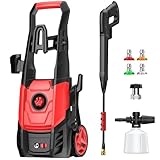
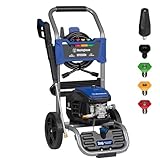
When using a pressure washer, it’s essential to prioritize safety by wearing the appropriate gear, such as goggles, gloves, and sturdy footwear. For a comprehensive understanding of pressure washing, including safety tips and best practices, you can refer to the article on pressure washers titled Pressure Washers for Dummies: Complete Guide. This resource provides valuable insights that can help ensure a safe and effective cleaning experience.




Leave a Reply