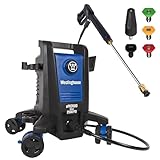
Electric pressure washers are powerful cleaning tools that utilize high-pressure water jets to remove dirt, grime, and stains from various surfaces. Unlike their gas-powered counterparts, electric models are generally lighter, quieter, and more environmentally friendly, making them an appealing choice for residential use. They operate by drawing water from a standard garden hose and pressurizing it through an electric motor, which allows for efficient cleaning without the need for fuel or complicated maintenance routines.
The pressure output of electric pressure washers is typically measured in pounds per square inch (PSI) and can range from around 1,300 PSI to over 2,000 PSI for residential models. This pressure is sufficient for a variety of tasks, including washing cars, cleaning patios, and removing mildew from siding. Additionally, electric pressure washers often come with interchangeable nozzles that allow users to adjust the spray pattern and intensity, providing versatility for different cleaning applications.
Understanding these basics is crucial for selecting the right model and using it effectively.
Key Takeaways
- Learn the fundamental components and functions of an electric pressure washer.
- Properly set up your washer by connecting hoses, cables, and filling the detergent tank.
- Adjust the nozzle and prime the washer to ensure optimal operation.
- Test and fine-tune the pressure settings before use.
- Follow maintenance tips and troubleshooting steps to keep your washer in good condition.
Preparing Your Electric Pressure Washer for Use
Before diving into the cleaning process, it is essential to prepare your electric pressure washer properly. Start by ensuring that the unit is placed on a stable surface, ideally on a flat area that can handle water runoff. This not only prevents accidents but also ensures that the machine operates efficiently.
Check the power cord for any signs of wear or damage; a frayed cord can pose safety risks and should be replaced before use. Additionally, ensure that the power outlet you plan to use is grounded and can handle the electrical load of the pressure washer. Next, familiarize yourself with the user manual that comes with your electric pressure washer.
Each model may have specific requirements or features that are important to understand before operation. For instance, some models may require a specific type of extension cord if you need to reach further from the power source. Moreover, understanding the safety features of your machine, such as automatic shut-off mechanisms or thermal protection systems, can enhance your overall experience and safety while using the device.
Connecting the Necessary Hoses and Cables

Once you have prepared your electric pressure washer, the next step involves connecting the necessary hoses and cables. Begin by attaching the garden hose to the water inlet on the pressure washer. Ensure that the connection is tight to prevent leaks during operation.
It is advisable to use a hose that is at least 5/8 inch in diameter to ensure adequate water flow. Before turning on the water supply, check for any kinks or blockages in the hose that could impede water flow. After securing the water supply, connect the high-pressure hose to the outlet on the pressure washer.
This hose is designed to withstand high pressures and should be checked for any signs of wear or damage before use. Once both hoses are connected, plug the power cord into a suitable electrical outlet. It is crucial to avoid using extension cords longer than recommended by the manufacturer, as this can lead to voltage drops and affect performance.
With everything connected properly, you are now ready to move on to filling the detergent tank.
Filling the Detergent Tank and Adjusting the Nozzle
Many electric pressure washers come equipped with a detergent tank that allows users to apply cleaning solutions while washing surfaces. To fill this tank, select a detergent that is compatible with your pressure washer; using non-corrosive and biodegradable detergents is often recommended to protect both your machine and the environment. Carefully pour the detergent into the tank, ensuring not to overfill it, as this can lead to spills during operation.
Once the detergent tank is filled, it’s time to adjust the nozzle for optimal cleaning performance. Most electric pressure washers come with multiple nozzle options that vary in spray pattern and intensity. For instance, a 0-degree nozzle produces a concentrated stream ideal for tough stains, while a 25-degree nozzle offers a wider spray suitable for general cleaning tasks.
Adjusting the nozzle according to the surface you are cleaning will enhance efficiency and prevent damage to delicate materials. Always test the nozzle adjustment on a small area first to ensure it meets your cleaning needs without causing harm.
Priming the Electric Pressure Washer for Operation
| Step | Action | Details | Estimated Time | Tips |
|---|---|---|---|---|
| 1 | Connect Hose | Attach the garden hose to the water inlet of the pressure washer. | 1-2 minutes | Ensure the hose is tightly connected to prevent leaks. |
| 2 | Turn on Water Supply | Open the water faucet fully to allow maximum water flow. | 30 seconds | Check for any kinks or blockages in the hose. |
| 3 | Release Air | Press the trigger on the spray gun to release trapped air until water flows steadily. | 1-2 minutes | Keep the trigger pressed until a steady stream of water appears. |
| 4 | Plug In and Power On | Connect the pressure washer to a power source and switch it on. | 1 minute | Use a grounded outlet and avoid extension cords if possible. |
| 5 | Test Spray | Test the spray on a small area to ensure proper pressure and flow. | 1-2 minutes | Adjust nozzle settings as needed for desired spray pattern. |
Priming your electric pressure washer is a critical step that ensures proper operation before you start cleaning. To prime the machine, first turn on the water supply and allow water to flow through the garden hose into the pressure washer. This process helps eliminate any air trapped in the system, which can affect performance.
With the water flowing, turn on the power switch of your pressure washer while keeping the trigger of the spray gun engaged; this will allow water to flow through the high-pressure hose and out of the nozzle.
This indicates that the system has been successfully primed and is ready for use.
If you notice any issues during this process, such as inconsistent water flow or air bubbles in the stream, it may indicate a problem with your connections or an issue with water supply that needs addressing before proceeding.
Testing the Pressure and Adjusting as Needed

Once your electric pressure washer has been primed and is ready for operation, it’s important to test its pressure settings before diving into your cleaning tasks. Begin by selecting an appropriate nozzle based on your intended cleaning surface and gently squeezing the trigger of the spray gun while pointing it away from any surfaces. This initial test will help you gauge how much pressure is being exerted and whether it meets your expectations.
If you find that the pressure is too low or too high for your specific task, many electric pressure washers come with adjustable settings that allow you to modify the output pressure easily. Consult your user manual for instructions on how to adjust these settings effectively. For example, if you are washing a car or delicate surface, you may want to reduce the pressure to avoid damaging paint or finishes.
Conversely, tougher surfaces like concrete may require higher pressure settings for effective cleaning.
Proper Maintenance and Storage of Your Electric Pressure Washer
Maintaining your electric pressure washer is essential for ensuring its longevity and optimal performance over time. After each use, it’s important to clean out any residual detergent from the tank and flush out any remaining water from both hoses and the machine itself. This helps prevent clogs and corrosion that can occur if detergent or water is left sitting in the system for extended periods.
To do this, simply run clean water through the machine without any detergent until it runs clear. When it comes to storage, ensure that your electric pressure washer is kept in a dry place away from extreme temperatures or moisture that could damage electrical components. If possible, store it indoors during harsh weather conditions or when not in use for extended periods.
Regularly inspect all components for wear or damage and replace any parts as necessary to keep your machine in top working condition.
Troubleshooting Common Priming Issues
Despite following all preparation steps meticulously, you may encounter issues when priming your electric pressure washer. One common problem is experiencing sputtering or inconsistent water flow when attempting to prime the machine. This could indicate an air leak in one of your connections; check all hose connections thoroughly to ensure they are secure and free from damage.
Additionally, inspect your garden hose for kinks or blockages that could restrict water flow. Another issue could arise if there is insufficient water supply from your source; ensure that your garden hose is fully opened at the faucet and that there are no obstructions in line leading to your pressure washer. If problems persist despite checking these factors, consider consulting your user manual for specific troubleshooting tips related to your model or contacting customer support for further assistance.
Understanding these common issues can save time and frustration during your cleaning tasks while ensuring that you get optimal performance from your electric pressure washer.
To effectively prime your electric pressure washer, it’s essential to understand the various components and accessories that can enhance its performance. For a deeper insight into how to properly use pressure washer hose fittings, couplers, and adapters, you can refer to this comprehensive guide. It provides valuable information that can help ensure your pressure washer operates efficiently. Check it out here: How to Use Pressure Washer Hose Fittings, Couplers, and Adapters.




Leave a Reply