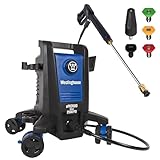
Pressure washing utilizes high-pressure water streams to clean surfaces including driveways, decks, vehicles, and building exteriors. These systems generate water pressure levels that can exceed 3,000 PSI (pounds per square inch), creating sufficient force to remove dirt, grime, paint, and other materials from various surfaces. The high-pressure output that enables effective cleaning also creates potential hazards.
Water jets at these pressure levels can cause injuries to skin and eyes, damage property surfaces, and create environmental concerns if proper safety measures are not implemented. Both professional operators and residential users must understand these risks before operating pressure washing equipment.
Users should also be aware of local regulations regarding water usage and chemical runoff disposal. The widespread adoption of pressure washing equipment in both commercial and residential applications has increased the importance of safety education and adherence to established safety standards to prevent accidents and ensure effective cleaning results.
Key Takeaways
- Always wear appropriate personal protective equipment to prevent injuries during pressure washing.
- Understand the risks involved, including high-pressure water hazards and chemical exposure.
- Follow specific safety tips for operating both electrical and gas-powered pressure washers.
- Handle pressure washer chemicals carefully to avoid harmful reactions and contamination.
- Maintain and store pressure washers properly, and know emergency procedures in case of accidents.
Understanding the Risks of Pressure Washer Operation
The operation of a pressure washer involves several inherent risks that users must be aware of before engaging in any cleaning tasks. One of the most significant dangers is the potential for physical injury caused by the high-pressure water stream. When directed at the skin, the force can penetrate deeply, leading to lacerations or even more severe injuries such as puncture wounds.
In some cases, injuries can result in long-term damage or require medical attention. Additionally, the high-pressure spray can propel debris, such as small stones or dirt particles, at high velocities, posing a risk to bystanders or operators who are not adequately protected. Another risk associated with pressure washing is the potential for slips and falls.
The surfaces being cleaned can become slick due to water accumulation or the cleaning agents used, increasing the likelihood of accidents. Furthermore, when working on ladders or elevated surfaces, the risk of falling becomes even more pronounced. Users must be vigilant about their surroundings and take appropriate measures to ensure their stability while operating the equipment.
Understanding these risks is the first step in developing a comprehensive safety plan for pressure washing activities.
Proper Personal Protective Equipment for Pressure Washing

To mitigate the risks associated with pressure washing, wearing appropriate personal protective equipment (PPE) is essential. The most critical piece of equipment is safety goggles or face shields, which protect the eyes from flying debris and high-pressure water spray. Standard eyewear is insufficient; specialized goggles designed to withstand impacts are recommended to ensure maximum protection.
Additionally, hearing protection should be considered, especially when using gas-powered pressure washers that can produce loud noise levels. Protective clothing is equally important in safeguarding against injuries. Long-sleeved shirts and pants made from durable materials can help shield the skin from cuts and abrasions caused by debris or the high-pressure spray.
Non-slip footwear is also crucial; shoes with good traction can help prevent slips on wet surfaces. Gloves designed for heavy-duty use can protect hands from chemicals used in conjunction with pressure washing and provide a better grip on equipment. By equipping oneself with the right PPE, users can significantly reduce their risk of injury while operating a pressure washer.
Tips for Safe Pressure Washer Operation
Safe operation of a pressure washer requires not only proper equipment but also adherence to specific operational guidelines. Before starting any cleaning task, it is vital to read and understand the manufacturer’s instructions and safety warnings associated with the pressure washer being used. Familiarizing oneself with the controls, including how to start and stop the machine safely, is essential for preventing accidents during operation.
When using a pressure washer, maintaining a safe distance from surfaces is crucial. Users should avoid getting too close to the surface being cleaned, as this can increase the risk of injury from the high-pressure spray. A general rule of thumb is to start at a distance of at least two feet and gradually move closer as needed while observing how the surface reacts to the pressure.
Additionally, it is advisable to test a small inconspicuous area before proceeding with full-scale cleaning to ensure that no damage occurs.
Precautions for Electrical and Gas-Powered Pressure Washers
| Safety Tip | Description | Recommended Practice |
|---|---|---|
| Wear Protective Gear | Protect eyes, hands, and feet from high-pressure water and debris. | Use safety goggles, gloves, and non-slip boots. |
| Check Equipment | Ensure hoses, nozzles, and connections are secure and undamaged. | Inspect before each use to prevent leaks or bursts. |
| Use Correct Nozzle | Different nozzles produce different spray patterns and pressures. | Choose the appropriate nozzle for the cleaning task to avoid damage. |
| Maintain Safe Distance | High-pressure water can cause injury or damage surfaces. | Keep at least 6-12 inches away from the surface being cleaned. |
| Avoid Electrical Hazards | Water and electricity can cause shocks or electrocution. | Keep pressure washer away from electrical outlets and cords. |
| Never Point at People or Animals | High-pressure jets can cause serious injury. | Always aim the spray away from people, pets, and yourself. |
| Use on Stable Surfaces | Slippery or uneven surfaces increase risk of falls. | Operate pressure washer on flat, stable ground. |
| Turn Off When Not in Use | Prevents accidental discharge and conserves energy. | Switch off the machine when taking breaks or moving locations. |
| Read Manufacturer’s Manual | Understanding specific model instructions ensures safe operation. | Follow all guidelines and warnings provided by the manufacturer. |
Pressure washers can be powered by electricity or gas, each presenting unique safety considerations that users must keep in mind.
To minimize this risk, it is essential to use extension cords rated for outdoor use and equipped with ground fault circuit interrupters (GFCIs).
These devices help prevent electrical shock by cutting off power if they detect an imbalance in electrical current. Gas-powered pressure washers come with their own set of precautions. Users should always operate these machines outdoors or in well-ventilated areas to avoid carbon monoxide buildup.
Before starting a gas-powered unit, it is crucial to check for fuel leaks and ensure that all connections are secure. Additionally, users should never attempt to refuel a hot engine; allowing it to cool down first can prevent dangerous flare-ups or explosions. Understanding these specific precautions helps ensure safe operation regardless of the power source.
Safe Handling of Pressure Washer Chemicals

Many pressure washing tasks require the use of chemicals or detergents to enhance cleaning effectiveness. However, improper handling of these substances can pose health risks and environmental hazards. It is essential to read labels carefully and follow all manufacturer instructions regarding dilution ratios and application methods.
Users should also be aware of any potential reactions between different chemicals; mixing certain substances can create toxic fumes or dangerous reactions. When handling chemicals, wearing appropriate PPE is critical. This includes gloves resistant to chemical exposure, goggles to protect against splashes, and masks if there is a risk of inhaling fumes.
Additionally, it is advisable to work in well-ventilated areas when using strong chemicals to minimize inhalation risks. Proper storage of chemicals is equally important; they should be kept in their original containers with labels intact and stored out of reach of children and pets.
Maintenance and Storage Safety for Pressure Washers
Regular maintenance of pressure washers not only ensures optimal performance but also enhances safety during operation. Users should routinely check hoses for signs of wear or damage, as frayed hoses can lead to leaks or bursts under pressure. Additionally, inspecting connections and fittings for tightness can prevent accidents caused by sudden disconnections during use.
Proper storage practices are equally important for maintaining safety. After each use, pressure washers should be cleaned thoroughly to remove any residual chemicals or debris that could cause corrosion or damage over time. Storing the unit in a dry location away from direct sunlight helps prolong its lifespan.
For gas-powered models, it is advisable to drain fuel if the machine will not be used for an extended period; this prevents fuel degradation and reduces fire hazards.
Emergency Procedures for Pressure Washer Accidents
Despite taking all necessary precautions, accidents can still occur during pressure washing operations. It is crucial for users to be prepared with emergency procedures in place should an incident arise. In case of an injury caused by high-pressure water spray, immediate medical attention may be required; users should know how to identify severe injuries such as puncture wounds or lacerations that may necessitate professional care.
In situations involving chemical exposure, it is vital to act quickly. If chemicals come into contact with skin or eyes, users should rinse the affected area with plenty of water for at least 15 minutes and seek medical attention if irritation persists. Having a first aid kit readily available on-site can facilitate prompt treatment of minor injuries while waiting for professional help if needed.
By understanding these emergency procedures and having a plan in place, users can respond effectively to accidents and minimize potential harm during pressure washing activities. Safety should always remain a top priority in any cleaning endeavor involving high-pressure equipment.
When using a pressure washer, safety should always be a top priority to prevent accidents and injuries. For additional insights on how to effectively and safely use a pressure washer, you might find the article on how to pressure wash a car particularly helpful. It not only provides practical tips for washing your vehicle but also emphasizes the importance of safety measures while operating pressure washing equipment.




Leave a Reply