
You possess a paver patio, a driveway, or a walkway, an investment in both your property’s aesthetic and its functionality. These interlocking stones, a testament to durable hardscaping, rely on the integrity of their jointing material. Whether it’s traditional sand, polymeric sand, or even mortar, this unassuming filler serves as the bedrock of your paver system, preventing shifting, deterring weed growth, and contributing to overall structural stability. To neglect these joints is to invite a cascade of problems, transforming your beautiful expanse into a landscape of loose pavers, rampant weeds, and an accelerated decline of your hardscaping. Your proactive preservation measures are not merely maintenance; they are an act of safeguarding your outdoor living space.
You might perceive paver joints as a minor component, but their role is analogous to the mortar in a brick wall. Without them, the individual units lack cohesion, becoming susceptible to a myriad of environmental and mechanical stressors.
The Role of Paver Joint Material
The material filling the gaps between your pavers is not decorative; it’s a structural necessity.
- Traditional Sand: This granular material provides a flexible interlock, allowing for slight movement while preventing direct paver-on-paver abrasion. It’s relatively inexpensive but prone to erosion and weed intrusion.
- Polymeric Sand: A sophisticated blend of sand and polymers, this material, when activated with water, hardens to create a semi-rigid bond. This enhanced rigidity offers superior weed suppression, insect deterrence, and resistance to erosion.
- Mortar: Primarily used in areas with extremely low water permeability needs or for specific aesthetic effects, mortar creates a permanent, rigid joint. Its application and repair are more complex, and it offers less flexibility for movement.
Common Threats to Joint Integrity
Your paver joints are constantly under assault from various elements, both natural and artificial.
- Weathering and Erosion: Rain, wind, and freeze-thaw cycles are relentless adversaries. Rain can wash away traditional sand, while freezing water expands within the joints, dislodging material.
- Weed Growth: Nature abhors a vacuum. Exposed joint material acts as a fertile bed for opportunistic weeds, whose root systems can destabilize pavers and exacerbate material loss.
- Insect Infestation: Ants and other insects often find paver joints to be ideal nesting sites, tunneling through the material and weakening its structural contribution.
- Traffic and Use: Vehicular traffic on driveways or heavy foot traffic on patios can exert pressure on the pavers, leading to micro-movements that dislodge joint material over time.
When pressure washing pavers, it’s crucial to avoid removing the joint sand that holds them together, as this can lead to instability and further maintenance issues. For a comprehensive understanding of the best practices in pressure washing, including how to effectively re-sand your pavers after cleaning, you may find the article on best pressure washer detergent for concrete surfaces particularly helpful. This resource provides insights into selecting the right detergents that can enhance your cleaning process while protecting your pavers and their joint sand.
The Role of Pressure Washing in Paver Maintenance
Pressure washing, when executed correctly, is a powerful tool in your paver maintenance arsenal. It’s a double-edged sword, however; improper technique can cause more harm than good. You must approach this task with precision and an understanding of its potential effects.
Benefits of Pressure Washing
When used judiciously, pressure washing offers several advantages for your pavers.
- Thorough Cleaning: It effectively removes accumulated dirt, grime, algae, moss, and other organic matter that can stain pavers and contribute to a slippery surface.
- Preparation for Resanding: For traditional sand joints, pressure washing is essential for clearing out old, compromised joint material, creating a clean canvas for fresh sand.
- Restoration of Appearance: A clean paver surface dramatically improves the aesthetic appeal of your outdoor space, making it look vibrant and well-maintained.
Risks and Precautions
The high-pressure water stream delivered by a pressure washer can be destructive if not handled with care.
- Joint Material Removal: The most significant risk is the forceful expulsion of joint material. This is particularly true for traditional sand and, to a lesser extent, polymeric sand if the water jet is too direct or powerful.
- Paver Damage: An overly aggressive spray can etch, chip, or otherwise damage the surface of certain paver types, especially softer or more porous materials.
- Underlying Base Disturbance: If the pressure washing is excessively strong and prolonged in one area, it can erode the sub-base material beneath the pavers, leading to settlement and instability.
- Water Infiltration: Directing water under the pavers can saturate the base, compromising its compaction and leading to future problems.
Pressure Washing Techniques for Preserving Joints
To harness the benefits of pressure washing while mitigating its risks, you must adopt specific techniques designed to protect your paver joints.
Equipment Selection and Nozzle Choice
The right tools are fundamental to a successful and safe pressure washing operation.
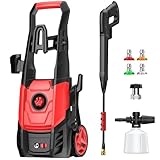
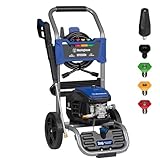
- Pressure Washer Type: For most residential applications, an electric pressure washer (1500-2000 PSI) is usually sufficient. Gas-powered units (2000+ PSI) offer more power, but require greater caution.
- Fan Tip Nozzle (40-degree or Wider): This is your primary weapon. The wide spray pattern disperses the water’s force, reducing the likelihood of dislodging joint material. Avoid “turbo” or “rotating” nozzles, as their concentrated, oscillating jet is too aggressive for paver joints.
- Adjustable Pressure Settings (if available): If your unit has this feature, start with a lower pressure and gradually increase if necessary.
Best Practices for Pressure Washing Pavers
Employ these guidelines to clean effectively without compromising your hardscaping.
- Maintain Distance: Keep the nozzle at least 12-18 inches away from the paver surface. Closer proximity magnifies the force of the water.
- Angle the Spray: Direct the spray at an angle, sweeping across the paver surface rather than directly down into the joints. This minimizes the direct impact on the jointing material.
- Overlap Your Passes: Ensure smooth, overlapping passes to achieve uniform cleaning without creating streaks or missed spots.
- Work in Sections: Focus on manageable sections at a time, preventing detergents or dirty water from drying on the surface before rinsing.
- Rinse Thoroughly: After cleaning with or without a detergent, rinse the entire area thoroughly to remove all residues.
- Avoid Direct Blasting of Joints: The cardinal rule: never aim the high-pressure stream directly into the paver joints. Treat the cleaning of joints as a secondary effect of cleaning the paver surface.
The Resanding Process: A Foundation for Longevity
After pressure washing, or when you observe significant joint material loss, resanding is a critical step in rejuvenating your paver system. It’s essentially rebuilding the interstitial structure that holds your pavers together.
Assessing the Need for Resanding
Before you begin, evaluate the condition of your existing joint material.
- Visible Material Loss: If you see significant gaps, or if the joint material is clearly below the paver surface, resanding is necessary.
- Weed Proliferation: An abundance of weeds indicates compromised joint integrity.
- Loose Pavers: Shifting or “rocking” pavers are a strong indicator of inadequate joint material.
- Polymeric Sand Degradation: If polymeric sand has become brittle, cracked, or is no longer forming a cohesive bond, it needs replacement.
Step-by-Step Resanding Guide
Follow these steps meticulously to ensure a successful and durable repair.
- Step 1: Thorough Cleaning and Drying: After pressure washing, allow your pavers to dry completely. This is paramount, especially when working with polymeric sand. Moisture inhibits proper bonding. You’re looking for a bone-dry surface, often taking 24-48 hours depending on humidity and temperature.
- Step 2: Choosing Your Joint Material:
- Traditional Sand: Use fine, washed hardscape sand or mason’s sand. Ensure it’s dry.
- Polymeric Sand: Select a high-quality polymeric sand appropriate for your paver type and joint size. There are different grades for narrow and wide joints.
- Step 3: Spreading the Sand: Empty small piles of sand onto the dry paver surface. Use a stiff-bristled broom to sweep the sand into the joints, working it in all directions to ensure it penetrates deeply. You want to fill the joints completely.
- Step 4: Compaction (Crucial for Durability):
- For Traditional Sand: Gently tamp the pavers with a plate compactor (for larger areas) or a hand tamper (for smaller areas). This settles the sand into the joints and consolidates it. You will likely need to sweep more sand in after compaction and repeat the tamping process.
- For Polymeric Sand: Compaction helps settle the sand, but avoid excessive tamping. The primary method for settling polymeric sand is vibration. A plate compactor on a rubber mat or a vibratory roller can work well. If you don’t have these, gentle sweeping and light tapping with a broom handle can help.
- Step 5: Final Sweeping and Clearance: After the joints are filled and compacted, sweep off all excess sand from the paver surface. Any remaining polymeric sand on the surface will form a hard, unsightly haze when wet. Use a leaf blower to meticulously clear the surface.
- Step 6: Water Activation (Polymeric Sand Only): This is the magic step for polymeric sand. Using a leaf blower or a fine mist from a garden hose, gently mist the entire area. Allow 10-15 minutes for the water to penetrate, then mist again. Repeat this 2-3 times. The goal is to saturate the polymeric sand without washing it out. The water activates the polymers, causing them to bind the sand particles. You should see a “sheen” on the surface of the joints as the polymers start to activate. Do not overwater.
- Step 7: Curing (Polymeric Sand Only): Allow the polymeric sand to cure for the time recommended by the manufacturer, typically 24-48 hours, before allowing foot traffic and several days before vehicular traffic. Keep the area completely dry during this period. Protect it from rain with tarps if necessary.
If you’re looking to enhance your outdoor space, understanding how to properly maintain your pavers is essential, especially when it comes to pressure washing. A related article that provides valuable insights into maximizing your cleaning efforts is available here. It discusses the ultimate cleaning power of the Stihl electric pressure washer, which can be an excellent tool for maintaining your pavers while ensuring that you avoid removing joint sand. By following the tips outlined in both articles, you can achieve a clean and beautiful patio without the hassle of re-sanding.
Ongoing Maintenance and Joint Protection
| Metric | Recommended Value/Range | Notes |
|---|---|---|
| Pressure Washer PSI | 1000 – 1500 PSI | Lower pressure reduces risk of dislodging joint sand |
| Nozzle Angle | 25° to 40° | Wider spray angle helps avoid direct force on joints |
| Distance from Surface | 12 – 18 inches | Maintains effective cleaning without disturbing sand |
| Water Flow Rate | 1.5 – 2.5 GPM | Moderate flow to clean without erosion |
| Joint Sand Type | Polymeric Sand | Hardens to resist washing out, ideal for pavers |
| Re-sanding Frequency | Every 1-2 years | Depends on weather and foot traffic |
| Re-sanding Method | Dry sweep + compact + mist with water | Ensures proper setting of polymeric sand |
| Cleaning Technique | Use sweeping motion, avoid direct spray on joints | Prevents sand displacement |
Your efforts don’t end with resanding. Ongoing vigilance will prolong the life of your paver joints and maintain the aesthetic integrity of your hardscaping.
Regular Sweeping and Spot Treatment
Proactive maintenance is a shield against accelerated degradation.
- Daily or Weekly Sweeping: Regularly sweep your paver surfaces to remove leaves, dirt, and debris. This prevents organic matter from breaking down in the joints and harboring weed seeds.
- Spot Weed Treatment: Address weeds as soon as you see them. Pull them out by hand or use a targeted weed killer. The sooner you act, the less damage they can inflict.
Sealing Pavers and Joints
Applying a sealant can provide an additional layer of protection.
- Paver Sealants: These products create a protective barrier on the paver surface, enhancing color, resisting stains, and reducing the penetration of water into the joints. Some sealants are “joint stabilizing,” designed to penetrate and harden the top layer of traditional sand joints.
- Application: Apply sealants according to the manufacturer’s instructions, typically after the pavers are thoroughly clean and dry, and joint material is fully cured.
Addressing Minor Issues Promptly
Small problems can quickly escalate if neglected.
- Patching Areas: If you notice small areas of joint loss, sweep in new sand (traditional or polymeric) and tamp or activate with water as appropriate.
- Repairing Loose Pavers: If a paver becomes loose, carefully remove it, clean out the joint and bedding sand around it, apply fresh bedding sand if necessary, reset the paver, and then fill the surrounding joints completely.
By understanding the intricate role of paver joints, mastering careful pressure washing techniques, diligently resanding, and committing to ongoing maintenance, you are not merely preserving your hardscaping; you are safeguarding your investment, ensuring its beauty and functionality endure for years to come. Your outdoor spaces, much like a meticulously crafted tapestry, are only as strong as the threads that bind them together. Protect those threads, and your tapestry will stand the test of time.




Leave a Reply