Energy efficiency within a residential dwelling is a critical component of sustainable living and responsible resource management. Understanding and optimizing your home’s energy consumption can lead to substantial financial savings and a reduced environmental footprint. This guide provides a systematic approach to conducting a home energy audit, empowering you to identify areas of energy waste and implement effective solutions.
Before embarking on the practicalities of an energy audit, it’s beneficial to understand its underlying purpose. Imagine your home as a complex organism, with various systems working in concert to maintain a comfortable internal environment. An energy audit acts as a diagnostic tool, revealing inefficiencies that, if left unaddressed, can drain your resources.
Financial Benefits
The most immediate and tangible benefit of an energy audit is the potential for financial savings. Leaky ducts, poorly insulated walls, and inefficient appliances are all gateways through which your hard-earned money escapes in the form of wasted energy. By identifying and rectifying these issues, you directly reduce your monthly utility bills. Consider it akin to patching a leaky financial bucket – every patch saves you water (or in this case, money).
Environmental Impact
Beyond personal financial gain, there’s a broader responsibility to consider. Energy production, particularly from fossil fuels, contributes significantly to greenhouse gas emissions and climate change. By reducing your home’s energy consumption, you actively participate in mitigating your environmental impact. Each kilowatt-hour saved is a small victory in the larger battle against climate degradation, making your home a more sustainable entity.
Enhanced Comfort and Health
Often overlooked, the thermal comfort and indoor air quality of your home can be significantly improved through energy efficiency upgrades. Drafts, uneven temperatures, and excessive humidity are often symptoms of energy inefficiencies. Addressing these underlying issues through an audit can lead to a more comfortable living environment. Furthermore, reducing infiltration of outdoor pollutants and managing indoor humidity levels can contribute to better indoor air quality, positively impacting your health.
Increased Home Value
Should you decide to sell your home in the future, energy-efficient features are increasingly attractive to prospective buyers. A home with lower utility bills and a comfortable indoor environment holds greater appeal and often commands a higher market value. An energy audit, coupled with documented improvements, can serve as a powerful selling point.
If you’re looking to enhance your home’s energy efficiency after completing a home energy audit, you might find it helpful to explore related topics such as exterior maintenance. A comprehensive understanding of your home’s exterior can significantly impact energy consumption. For more insights, check out this informative article on home exterior maintenance: Comprehensive Home Exterior Maintenance: What You Need to Know.
Preparing for Your Audit: Gathering Information and Tools
A successful energy audit, whether performed by a professional or yourself, requires a systematic approach. Preparation is key to ensuring you capture all relevant data and make informed decisions.
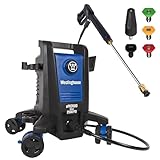
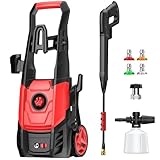
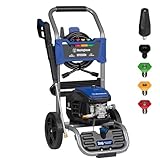
If you’re looking to enhance your home’s energy efficiency, you might also find it beneficial to explore how to maintain your outdoor spaces effectively. A related article discusses the advantages of using a pressure washer to revitalize your outdoor surfaces, which can complement the findings from the Home energy audit guide: what you get and what to DIY first. By ensuring your exterior is clean and well-maintained, you can improve your home’s overall energy efficiency. For more information, check out this insightful piece on revitalizing your outdoor surfaces with a powerful pressure washer.
Reviewing Utility Bills
Your utility bills are a treasure trove of information. Gather at least 12 months’ worth of bills for electricity, natural gas, and any other energy source used in your home. This historical data allows you to identify trends in your energy consumption, such as seasonal peaks and anomalies. Look for sudden spikes that might indicate a new appliance or a developing problem. Analyze the usage patterns: do your heating costs soar in winter and cooling costs in summer? This baseline data will be invaluable for measuring the impact of any energy-efficient upgrades you implement.
Inventorying Appliances and Systems
Create a comprehensive list of all major energy-consuming appliances and systems in your home. This includes your heating and cooling systems (furnace, air conditioner, heat pump), water heater, refrigerator, dishwasher, washing machine, dryer, oven/range, and any other significant electrical loads. For each item, note its make, model, age, and energy consumption rating (if available, often found on the EnergyGuide label). Older appliances, particularly those over 15-20 years old, are often prime candidates for replacement due to their inherent inefficiencies compared to modern alternatives.
Essential Tools for a DIY Audit
While professional auditors utilize specialized equipment, you can conduct a surprisingly thorough DIY audit with readily available tools:
- Flashlight: Indispensable for inspecting attics, crawl spaces, and other dimly lit areas.
- Tape Measure: For assessing insulation depths and window dimensions.
- Caulk Gun and Caulk: For sealing minor air leaks.
- Weatherstripping: To address gaps around doors and windows.
- Outlet and Switch Plate Gaskets: Inexpensive yet effective for sealing air leaks around electrical outlets.
- Incense Stick or Smoke Pen: To visualize air movement and identify drafts.
- Temperature Gun (Infrared Thermometer): While not strictly essential for a basic audit, it can be extremely useful for identifying thermal bridges and areas of poor insulation, acting as a visual aid for temperature discrepancies.
- Camera: To document findings and potential problem areas.
Understanding Your Home’s Envelope
Your home’s envelope is its protective shell – the exterior walls, roof, foundation, windows, and doors. It’s the primary barrier between your conditioned indoor space and the outside environment. A breach in this envelope, even a small crack, can lead to significant energy loss. Think of it as a series of interconnected membranes; if one part is compromised, the entire system’s integrity is affected.
Conducting the Audit: A Room-by-Room Inspection

With your tools and information at hand, you can begin the methodical inspection of your home. Approach this section by section, ensuring no area is overlooked.
The Exterior Inspection
Start your audit outside your home, examining the integrity of its shell.
Walls and Siding
Inspect the exterior walls for any visible cracks, gaps, or damaged siding. These can be entry points for air and moisture. Pay close attention to areas where different materials meet, such as around windows and doors, where flashing might be compromised. Note any signs of water damage, which can also indicate air leakage.
Windows and Doors
Examine the seals around windows and doors. Are there any visible gaps between the frame and the wall? Check the weatherstripping on all exterior doors; is it worn, cracked, or missing? Test the operation of windows – do they close tightly? Are there any drafts perceptible? A simple test using a lit incense stick can reveal subtle air movement around window and door frames. If the smoke wavers, it indicates a draft.
Roof and Attic Access
From the ground, inspect your roof for damaged or missing shingles. While this primarily relates to water intrusion, a compromised roof can also allow air leakage. Ensure attic vents are clear and unobstructed. The attic access hatch itself is a common source of air leakage; ensure it is properly insulated and sealed.
Foundation and Basement/Crawl Space Vents
Examine the foundation for cracks or gaps where utility lines enter the house. These can be pathways for air and pests. If you have a basement or crawl space, ensure any vents are properly functioning and can be closed in colder months to prevent heat loss.
The Interior Inspection: A Deep Dive into Your Living Spaces
Move indoors, systematically assessing each room and critical system.
Air Leaks: The Silent Energy Drain
Air leaks are one of the most significant contributors to energy waste in a home. They allow conditioned air to escape and unconditioned air to enter, forcing your HVAC system to work harder.
Common Leakage Points
- Electrical Outlets and Switches: Use your hand to feel for drafts, or an incense stick to detect air movement around these fixtures, especially on exterior walls.
- Baseboards and Crown Molding: Gaps between these trim pieces and the wall can be pathways for air from wall cavities.
- Attic Hatches and Pull-Down Stairs: These are notoriously leaky if not properly sealed and insulated.
- Utility Penetrations: Look for gaps around pipes, wires, and ducts where they pass through walls, floors, or ceilings.
- Fireplace Dampers: Ensure the damper closes tightly when the fireplace is not in use.
- Recessed Lighting Fixtures: Older recessed lights, particularly those not rated for direct contact with insulation (IC-rated), can be significant sources of heat loss into the attic.
Sealing Strategies
- Caulking: Use high-quality caulk for static cracks and gaps (e.g., around window frames, baseboards).
- Weatherstripping: Apply weatherstripping to movable components like doors and operable windows.
- Foam Sealant: Expanding foam sealant is excellent for larger gaps around utility penetrations.
- Outlet and Switch Gaskets: Install these inexpensive foam pads behind outlet and switch plates on exterior walls.
- Attic Hatch Insulation Kit: Purchase or construct an insulated and weatherstripped enclosure for your attic hatch.
Insulation Inspection
Insulation acts as a thermal blanket for your home, slowing the transfer of heat. Its effectiveness is measured by its R-value, with higher values indicating better insulating properties.
Attic Insulation
This is arguably the most crucial area for insulation, as heat naturally rises. Access your attic (carefully!) and examine the depth and condition of the insulation. Is it evenly distributed? Are there any compressed areas or gaps? Compare the existing R-value to recommended levels for your climate zone. Look for signs of moisture or pest damage, which can compromise insulation’s effectiveness.
Wall Insulation
Assessing wall insulation is more challenging without destructive means. However, you can look for uneven wall temperatures using your hand or an infrared thermometer. In older homes, walls may have little to no insulation. Feeling a cold spot on an interior wall segment during winter suggests a lack of insulation.
Floor/Basement/Crawl Space Insulation
If your home has a crawl space or an unheated basement, check for insulation between the floor joists. Ensure any exposed ductwork or pipes in these unconditioned spaces are also insulated.
HVAC System Assessment
Your heating, ventilation, and air conditioning (HVAC) system is likely your home’s largest energy consumer.
Ductwork Inspection
Inspect exposed ductwork in attics, basements, and crawl spaces. Look for disconnected sections, crushed ducts, and gaps at joints. These leaks can account for significant energy loss, as conditioned air escapes before reaching your living spaces. Use aluminum foil tape (not duct tape, which degrades over time) to seal any gaps.
Filter Condition
Regularly check and replace your HVAC air filters. A clogged filter restricts airflow, forcing your system to work harder and consume more energy.
Thermostat Placement and Programming
Ensure your thermostat is not located near heat sources (lamps, direct sunlight, vents) that could provide inaccurate readings. Utilize a programmable thermostat to set back temperatures when you are away or asleep, optimizing energy usage.
Water Heating System
Your water heater is another major energy consumer.
Insulation
Check if your water heater tank is insulated. If not, consider adding an insulating blanket, particularly for older models. Insulate the first six feet of hot and cold water pipes leading to and from the heater.
Temperature Setting
Lower your water heater’s temperature setting to 120°F (49°C). This is typically sufficient for most household needs and can significantly reduce energy consumption without compromising comfort.
Lighting and Appliances
While often smaller consumers individually, their collective impact can be substantial.
Lighting Efficiency
Note the types of light bulbs in use throughout your home. Incandescent bulbs are highly inefficient. Replace them with Energy Star-rated LED bulbs, which consume significantly less energy and have a much longer lifespan.
Appliance Efficiency
Review your appliance inventory. Are any appliances particularly old and inefficient? While replacing perfectly functional appliances may not be immediately cost-effective, budget for Energy Star-rated replacements when your existing appliances reach the end of their lifespan. Consider the phantom load (vampire power) consumed by electronics even when turned off. Use power strips with on/off switches to easily disconnect multiple devices from power.
Interpreting Findings and Developing an Action Plan

Once your audit is complete, you will have a comprehensive understanding of your home’s energy performance. The next step is to translate these findings into actionable steps.
Prioritizing Improvements
Create a prioritized list of improvements based on the severity of the energy waste and the associated cost-effectiveness. Often, small, inexpensive measures like sealing air leaks can yield surprisingly large energy savings.
Low-Cost, High-Impact Solutions
- Air Sealing: This is usually the cheapest and most effective first step. Focus on accessible air leaks around windows, doors, outlets, and utility penetrations.
- Weatherstripping and Caulking: Inexpensive and easy to apply.
- Duct Sealing: Sealing leaky ductwork with mastic or aluminum foil tape can significantly improve HVAC efficiency.
- Replacing HVAC Filters: A simple maintenance task that yields immediate benefits.
- Adjusting Water Heater Temperature: A quick and free adjustment.
Moderate-Cost Improvements
- Insulation Upgrades: Adding insulation to your attic, walls, or crawl space can have a substantial impact, especially if current levels are low.
- Window and Door Upgrades: If existing windows and doors are very old and inefficient, replacing them with energy-efficient models can be a worthwhile investment, though often with a longer payback period.
- Programmable Thermostats: Relatively inexpensive and offer consistent energy savings through automated temperature setbacks.
High-Cost, Long-Term Investments
- HVAC System Replacement: If your furnace, air conditioner, or heat pump is old and inefficient, replacing it with a new, high-efficiency model can offer significant long-term savings but requires a substantial upfront investment.
- Appliance Upgrades: Replacing old, energy-guzzling appliances with Energy Star-rated models.
Seeking Professional Assistance
While a DIY audit can identify many common issues, consider hiring a certified energy auditor for a more in-depth assessment. Professionals use specialized equipment like blower doors (to measure overall air leakage) and infrared cameras (to pinpoint insulation deficiencies and thermal bridges with precision). They can provide a detailed report with specific recommendations and estimated savings. This comprehensive approach is particularly beneficial for older homes or if you suspect complex energy issues that are difficult to diagnose without specialized tools.
Remember, an energy audit is not a one-time event but rather a continuous process of monitoring and improvement. By understanding your home’s energy dynamics and proactively addressing inefficiencies, you contribute not only to your financial well-being but also to a more sustainable future.




Leave a Reply