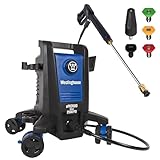
PSI, or pounds per square inch, is a measurement that indicates the water pressure output of a pressure washer. This metric determines the force at which water exits the nozzle and directly affects the cleaning capability of the equipment. Pressure washers are commonly used for cleaning outdoor surfaces, particularly concrete areas such as driveways, patios, and sidewalks that accumulate dirt, grime, and stains.
The PSI rating of a pressure washer is a critical factor in determining its effectiveness for specific cleaning applications. Different surfaces and cleaning tasks require different pressure levels to achieve optimal results without causing damage. Understanding PSI measurements enables users to select appropriate equipment and settings for their cleaning projects.
This article examines pressure washer PSI specifications, their role in concrete cleaning applications, and guidelines for safe and effective operation. Proper PSI selection is essential for achieving desired cleaning results while preventing surface damage and ensuring operator safety.
Key Takeaways
- Pressure washer PSI is crucial for effective concrete cleaning, balancing power and surface safety.
- Understanding PSI helps select the right pressure level to remove dirt without damaging concrete.
- Choosing the appropriate PSI depends on the concrete’s condition and cleaning requirements.
- Proper techniques and safety precautions enhance cleaning results and prevent injuries or surface damage.
- Avoid common mistakes like using excessive pressure or incorrect nozzle types to maintain concrete integrity.
Understanding Pressure Washer PSI
To fully appreciate the role of PSI in pressure washing, it’s essential to understand how it works. When you pull the trigger on a pressure washer, water is forced through a narrow nozzle at high speed, creating a powerful jet that can dislodge dirt and debris. The higher the PSI rating of your machine, the more forceful the water stream will be.
This means that a pressure washer with a higher PSI can tackle tougher stains and more stubborn grime. However, it’s important to note that higher PSI isn’t always better. Different surfaces require different levels of pressure to avoid damage.
For instance, while concrete can withstand high pressure due to its durability, softer surfaces like wood or vinyl siding may require a gentler touch. Therefore, understanding the relationship between PSI and the type of surface you are cleaning is vital for achieving optimal results without causing harm.
Importance of Pressure Washer PSI in Concrete Cleaning

Concrete surfaces are often subjected to harsh weather conditions and heavy foot traffic, making them prone to stains and discoloration. This is where the importance of selecting the right PSI comes into play. Using an appropriate PSI level allows you to effectively remove dirt, oil stains, mold, and mildew without damaging the concrete itself.
If you use too low of a PSI, you may find that stubborn stains remain, while using too high of a PSI can lead to etching or pitting in the surface. Moreover, understanding the importance of PSI in concrete cleaning can save you time and effort. By selecting the right pressure level from the outset, you can streamline your cleaning process and achieve better results in less time.
This not only enhances the appearance of your concrete surfaces but also prolongs their lifespan by preventing damage that could result from improper cleaning techniques.
Choosing the Right Pressure Washer PSI for Concrete Cleaning
When it comes to choosing the right PSI for cleaning concrete, there are several factors to consider. Generally speaking, a pressure washer with a PSI rating between 2,500 and 3,000 is ideal for most concrete cleaning tasks. This range provides enough power to remove tough stains while still being safe for the surface.
However, if you’re dealing with particularly stubborn stains or heavily soiled areas, you might opt for a machine with a higher PSI rating. In addition to the PSI rating, consider the type of nozzle you will be using. Different nozzles create varying spray patterns and pressures.
A 0-degree nozzle delivers a concentrated stream of water that can be effective for tough stains but may also risk damaging the surface if not used carefully. On the other hand, a 25-degree or 40-degree nozzle disperses water over a wider area and is gentler on surfaces. By combining the right PSI with an appropriate nozzle, you can achieve optimal cleaning results while minimizing potential damage.
Tips for Maximizing Concrete Cleaning with Pressure Washer PSI
| Surface Type | Recommended PSI | Nozzle Tip | Water Flow (GPM) | Notes |
|---|---|---|---|---|
| Lightly Soiled Concrete | 2000 – 2500 PSI | 25° | 2.0 – 2.5 | Effective for routine cleaning and dirt removal |
| Moderately Soiled Concrete | 2500 – 3000 PSI | 15° | 2.5 – 3.0 | Good for removing stains and mildew |
| Heavily Soiled or Stained Concrete | 3000 – 3500 PSI | 15° or 0° (for spot cleaning) | 3.0 – 4.0 | Use caution to avoid surface damage |
| Delicate or Older Concrete | 1500 – 2000 PSI | 25° or 40° | 1.5 – 2.0 | Lower pressure to prevent etching or damage |
To get the most out of your pressure washer when cleaning concrete surfaces, there are several tips you can follow. First and foremost, pre-treating heavily stained areas with a suitable cleaning solution can enhance your results significantly. Allowing the solution to sit for a few minutes before pressure washing will help break down tough stains and make them easier to remove.
Additionally, maintaining a consistent distance from the surface while pressure washing is crucial. Keeping the nozzle about 12 to 18 inches away from the concrete will help prevent damage while still providing effective cleaning power. You should also move in a steady back-and-forth motion rather than lingering in one spot to avoid etching or discoloration.
Another tip is to work in sections. By dividing your cleaning area into manageable sections, you can ensure that each part receives adequate attention without overwhelming yourself or your equipment. This method also allows you to monitor your progress more effectively and make adjustments as needed.
Safety Precautions when Using Pressure Washer PSI for Concrete Cleaning

While pressure washing can be an effective way to clean concrete surfaces, it’s essential to prioritize safety during the process. First and foremost, always wear appropriate personal protective equipment (PPE). This includes safety goggles to protect your eyes from flying debris and sturdy footwear to shield your feet from potential hazards.
Additionally, be mindful of your surroundings while operating a pressure washer. Ensure that children and pets are kept at a safe distance from your work area to prevent accidents. It’s also wise to check for any electrical outlets or wiring that may be nearby before starting your cleaning task.
Water and electricity do not mix well, so taking precautions in this regard is crucial. Lastly, familiarize yourself with your pressure washer’s manual before use. Understanding how to operate your specific model safely will help you avoid common pitfalls and ensure that you are using it correctly.
Common Mistakes to Avoid when Using Pressure Washer PSI for Concrete Cleaning
As with any task, there are common mistakes that many people make when using a pressure washer for concrete cleaning. One frequent error is using too high of a PSI without considering the condition of the concrete surface. While it may seem like more power would yield better results, excessive pressure can lead to irreversible damage such as cracks or surface erosion.
Another mistake is neglecting to test a small area before proceeding with full-scale cleaning. Always test your chosen PSI and nozzle on an inconspicuous section of concrete first. This practice allows you to gauge how the surface reacts and make adjustments as necessary before committing to larger areas.
Additionally, failing to clean or maintain your pressure washer can lead to subpar performance. Regularly check hoses for leaks or wear and ensure that nozzles are free from clogs. A well-maintained machine will not only perform better but also last longer.
Conclusion and Final Thoughts on Maximizing Concrete Cleaning with Pressure Washer PSI
In conclusion, understanding pressure washer PSI is essential for anyone looking to effectively clean concrete surfaces. By grasping how PSI works and its importance in concrete cleaning, you can make informed decisions that lead to better results while avoiding potential damage. Choosing the right PSI based on your specific cleaning needs and employing effective techniques will maximize your efforts.
As you embark on your concrete cleaning projects, remember to prioritize safety by wearing appropriate protective gear and being mindful of your surroundings. Avoid common mistakes by testing your equipment beforehand and maintaining your pressure washer regularly. With these insights in mind, you’ll be well-equipped to tackle even the toughest concrete cleaning tasks with confidence and efficiency.
When it comes to cleaning concrete surfaces effectively, understanding the appropriate PSI (pounds per square inch) for your pressure washer is crucial. For detailed insights on selecting the right pressure washer for various cleaning tasks, including concrete, you can refer to this informative article on the best pressure washers of 2020, which covers everything from driveways to bikes: Best Pressure Washer 2020.




Leave a Reply