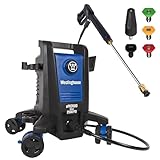
When you think about tackling tough cleaning jobs around your home, a 3000 PSI electric pressure washer stands out as a powerful ally. This machine is designed to deliver a high-pressure stream of water that can effectively remove dirt, grime, and stains from various surfaces. With a pressure rating of 3000 PSI, it is capable of handling even the most stubborn messes, making it an ideal choice for homeowners who want to maintain their property’s appearance without resorting to harsh chemicals or excessive scrubbing.
The electric aspect of this pressure washer adds another layer of convenience. Unlike gas-powered models, which can be cumbersome and require regular maintenance, electric pressure washers are generally lighter and easier to operate. You can simply plug it in, and you’re ready to go.
This means you can focus on the task at hand rather than worrying about fuel levels or engine upkeep. Additionally, electric models tend to be quieter and produce fewer emissions, making them a more environmentally friendly option for your cleaning needs.
Key Takeaways
- Understanding the 3000 PSI Electric Pressure Washer: Learn about the power and capabilities of this pressure washer model.
- Choosing the Right Nozzles for Maximum Cleaning Power: Understand how different nozzles can affect the cleaning performance of your pressure washer.
- Preparing the Surface for Pressure Washing: Properly prepare the surface to be cleaned for the best results.
- Proper Technique for Using a 3000 PSI Electric Pressure Washer: Learn the correct way to operate the pressure washer to avoid damage and achieve optimal cleaning.
- Safety Precautions When Using a High-Pressure Washer: Follow important safety guidelines to prevent accidents and injuries.
Choosing the Right Nozzles for Maximum Cleaning Power
Nozzle Color Coding
Typically, nozzles are categorized by color, with each color indicating a specific spray pattern and intensity. The colors and their corresponding spray patterns are: red for a concentrated jet, yellow for a 15-degree spray, green for a 25-degree spray, and white for a 40-degree spray.
Choosing the Right Nozzle for the Job
Each nozzle serves a specific purpose, allowing you to tailor your cleaning approach to the surface and type of dirt you’re dealing with. For example, the red nozzle is ideal for tackling tough stains on concrete or brick surfaces due to its narrow, high-pressure stream. However, it’s essential to exercise caution when using this nozzle, as it can damage softer surfaces if used improperly.
Delicate Surfaces Require Gentle Care
On the other hand, the green or white nozzles are better suited for delicate surfaces like wood decks or painted siding. These nozzles provide a gentler spray that won’t strip away paint or damage the material. By understanding the function of each nozzle, you can maximize your cleaning power while minimizing the risk of damage.
Preparing the Surface for Pressure Washing

Before you unleash the power of your 3000 PSI electric pressure washer, it’s essential to prepare the surface you intend to clean. This preparation not only ensures better results but also enhances safety during the washing process. Start by removing any loose debris such as leaves, dirt, or furniture from the area.
This step will help prevent any unwanted projectiles from being propelled by the high-pressure water stream and will allow for a more thorough cleaning. Next, inspect the surface for any cracks or damage that may need attention before washing. For example, if you’re cleaning a driveway with visible cracks, pressure washing could exacerbate the issue if water seeps into those gaps.
In such cases, it might be wise to repair any damage before proceeding with the pressure washing. Additionally, consider wetting down nearby plants or grass to protect them from potential overspray or chemical runoff if you plan to use detergents during your cleaning process.
Proper Technique for Using a 3000 PSI Electric Pressure Washer
| Technique | Details |
|---|---|
| Distance from Surface | Keep the nozzle at least 6-12 inches away from the surface to avoid damage. |
| Nozzle Angle | Hold the nozzle at a 45-degree angle to the surface for optimal cleaning. |
| Even Pressure | Apply even pressure across the surface to ensure consistent cleaning. |
| Overlap Technique | Use overlapping strokes to cover the entire area and avoid missing spots. |
| Cleaning Agents | Consider using appropriate cleaning agents for tough stains, if necessary. |
Using a 3000 PSI electric pressure washer effectively requires some technique to ensure both safety and efficiency. Start by holding the wand with both hands and maintaining a firm grip. Stand at least two feet away from the surface you are cleaning to avoid causing damage while still allowing enough distance for effective cleaning.
As you begin washing, move the wand in a sweeping motion rather than staying in one spot; this will help distribute the pressure evenly and prevent any potential harm to the surface. It’s also important to maintain a consistent distance from the surface as you work your way across it. If you notice that certain areas require more attention, you can gradually move closer while being cautious not to exceed the recommended distance for that particular nozzle.
Remember to keep your body positioned at an angle rather than directly in front of the spray; this will help reduce the risk of injury from kickback and allow for better control over the direction of the water stream.
Safety Precautions When Using a High-Pressure Washer
Safety should always be your top priority when operating a high-pressure washer like your 3000 PSI electric model. First and foremost, always wear appropriate personal protective equipment (PPE). This includes safety goggles to protect your eyes from debris and water spray, gloves to shield your hands from chemicals and high-pressure water, and sturdy footwear to prevent slips on wet surfaces.
Additionally, be mindful of your surroundings while using the pressure washer. Ensure that children and pets are kept at a safe distance from your work area to avoid accidents. It’s also wise to check for any overhead power lines before starting your cleaning job; high-pressure water can create an unexpected spray pattern that could reach electrical sources.
Lastly, never point the nozzle at yourself or others, even when it’s turned off; accidents can happen quickly when dealing with high-pressure equipment.
Cleaning Different Surfaces with a 3000 PSI Electric Pressure Washer

Cleaning Concrete Surfaces
One of the most appealing aspects of owning a 3000 PSI electric pressure washer is its versatility in cleaning various surfaces around your home. For instance, when it comes to concrete driveways or patios, this machine excels at removing oil stains, dirt buildup, and even mold or mildew. The high-pressure stream can penetrate deep into porous surfaces, lifting away grime that traditional cleaning methods might leave behind.
Cleaning Wooden Decks and Fences
When cleaning wooden decks or fences, however, it’s essential to adjust your approach. While these surfaces can benefit from pressure washing, using too high of a pressure setting can lead to splintering or damage. Opt for a wider spray nozzle and maintain a safe distance to ensure that you’re effectively cleaning without compromising the integrity of the wood.
Cleaning Delicate Surfaces
Similarly, when washing vehicles or outdoor furniture, use gentle techniques and appropriate nozzles to avoid scratches or damage.
Using Detergents and Chemicals for Tough Stains
For particularly stubborn stains or heavily soiled areas, incorporating detergents or specialized cleaning chemicals can significantly enhance your results when using a 3000 PSI electric pressure washer. Many manufacturers offer detergents specifically designed for use with pressure washers; these products are formulated to break down tough grime while being safe for various surfaces. Before applying any detergent, make sure to read the manufacturer’s instructions carefully.
Some detergents may require dilution or specific application methods to achieve optimal results. When using detergents, it’s advisable to apply them before pressure washing; this allows them time to penetrate and loosen dirt and stains effectively. After letting the detergent sit for a few minutes, rinse it off with your pressure washer using a suitable nozzle to ensure thorough removal.
Maintaining and Caring for Your 3000 PSI Electric Pressure Washer
To ensure that your 3000 PSI electric pressure washer remains in peak condition for years to come, regular maintenance is essential.
After each cleaning session, take time to flush out any remaining detergent or debris from the system by running clean water through it.
Additionally, store your pressure washer in a dry place when not in use to prevent moisture buildup that could lead to rust or corrosion. If you live in an area with freezing temperatures, consider winterizing your machine by draining all water from the system and storing it indoors. Regularly inspect hoses and fittings for leaks or cracks; replacing worn parts promptly will help maintain performance and extend the life of your equipment.
Troubleshooting Common Issues with Electric Pressure Washers
Even with proper care and maintenance, you may encounter some common issues with your 3000 PSI electric pressure washer from time to time. One frequent problem is reduced water pressure during operation. If you notice this happening, check for clogs in the nozzle or hose; debris buildup can restrict water flow and diminish performance.
Cleaning or replacing these components often resolves the issue. Another common concern is difficulty starting the machine.
Additionally, check for any loose connections in the power cord or switch; securing these connections may restore functionality. If problems persist despite troubleshooting efforts, consulting the user manual or contacting customer support may be necessary.
Tips for Maximizing Efficiency and Saving Time
To get the most out of your 3000 PSI electric pressure washer while saving time on cleaning tasks, consider implementing some efficiency tips into your routine. First, plan your cleaning jobs strategically by grouping similar tasks together; this way, you can minimize setup time between different areas of your property. For example, if you’re washing both your driveway and patio, tackle them consecutively rather than switching back and forth.
Another effective strategy is to pre-treat heavily soiled areas with detergent before using the pressure washer. Allowing the detergent time to work its magic will reduce the amount of time spent scrubbing stubborn stains later on. Additionally, familiarize yourself with different nozzles and their applications so that you can switch between them quickly as needed without wasting time figuring out which one works best for each task.
Environmental Considerations when Using a 3000 PSI Electric Pressure Washer
While using a 3000 PSI electric pressure washer can be an effective way to clean various surfaces around your home, it’s essential to consider its environmental impact as well. One significant advantage of electric models is their reduced carbon footprint compared to gas-powered alternatives; they produce fewer emissions and operate more quietly, making them a more eco-friendly choice. However, when using detergents or chemicals during cleaning processes, be mindful of their potential effects on local ecosystems.
Opting for biodegradable or environmentally friendly cleaning products can help minimize harm to plants and wildlife in your area. Additionally, be cautious about runoff; directing wastewater away from gardens or natural habitats will help protect local flora and fauna from harmful substances that may be present in detergents or dirt being washed away. In conclusion, mastering the use of a 3000 PSI electric pressure washer involves understanding its capabilities and limitations while prioritizing safety and environmental considerations.
By choosing appropriate nozzles, preparing surfaces properly, employing effective techniques, and maintaining your equipment diligently, you can achieve impressive results while keeping both yourself and the environment safe.
If you are considering purchasing an electric pressure washer with 3000 psi, you may want to check out this pressure washer cleaning power chart to understand the capabilities of different pressure washers. Additionally, learning how to properly use pressure washer hose fittings, couplers, and adapters is crucial, so be sure to read this must-watch pressure washer videos to ensure you are using it safely and effectively.
FAQs
What is an electric pressure washer 3000 psi?
An electric pressure washer 3000 psi is a cleaning tool that uses an electric motor to power a high-pressure water pump, capable of producing 3000 pounds per square inch (psi) of water pressure. This high pressure is used to clean surfaces such as driveways, decks, and vehicles.
How does an electric pressure washer 3000 psi work?
An electric pressure washer 3000 psi works by using an electric motor to power a water pump, which pressurizes the water from a garden hose. The high-pressure water is then sprayed through a nozzle, allowing it to effectively clean dirt, grime, and other debris from surfaces.
What are the benefits of using an electric pressure washer 3000 psi?
Some benefits of using an electric pressure washer 3000 psi include its ability to effectively clean tough stains and dirt, its ease of use compared to gas-powered models, and its environmentally friendly operation due to its lack of emissions.
What are some common uses for an electric pressure washer 3000 psi?
Common uses for an electric pressure washer 3000 psi include cleaning driveways, sidewalks, decks, siding, vehicles, and outdoor furniture. It can also be used for prepping surfaces for painting or staining.
Are there any safety considerations when using an electric pressure washer 3000 psi?
Yes, safety considerations when using an electric pressure washer 3000 psi include wearing appropriate protective gear such as safety goggles and closed-toe shoes, avoiding spraying water near electrical outlets or power sources, and being cautious when using the high-pressure spray around delicate surfaces or objects.




Leave a Reply