
Maximize Your Cleaning Power: The Best Pressure Washer Attachments for Concrete
Operating a pressure washer on concrete can yield transformative results, removing stubborn dirt, grime, and mildew that have accumulated over time. However, the raw power of a pressure washer, while formidable, can sometimes be a blunt instrument. To unlock its full potential for concrete surfaces, and to ensure effective and efficient cleaning without causing damage, the strategic selection and utilization of specialized attachments are paramount. These accessories act as extensions of your will, fine-tuning the water’s force to suit the specific needs of your concrete, transforming it from a dull, stained expanse into a revitalized foundation.
The nozzle is the very tip of the spear for your pressure washer, dictating the pattern and intensity of the water spray. For concrete cleaning, understanding the different spray angles is not merely a matter of preference; it is a critical factor in determining efficacy and preventing damage. Think of the nozzle as the aperture on a camera lens, controlling how much light (or water, in this case) enters and in what form. Different apertures create different effects, and the same applies to pressure washer nozzles.
The Fan Spray Nozzles: Versatility in Action
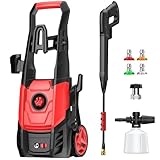
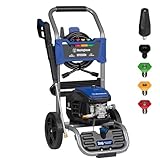
Fan spray nozzles are your workhorses for most general concrete cleaning tasks. They spread the water over a wider area, reducing the concentrated force in any one spot and making them ideal for larger surfaces.
Red (0-Degree) Nozzle: Precision or Peril
- Application: The red nozzle, with its 0-degree spray, delivers a laser-like jet of water. While it possesses immense power for pinpointing and stripping away the most tenacious contaminants, its use on concrete is fraught with risk.
- Caution: This nozzle is rarely recommended for general concrete cleaning. Its concentrated force can easily etch the surface, creating permanent grooves and potentially weakening the concrete’s integrity. Imagine using a chisel on delicate wood – that’s the kind of precision this nozzle offers, and the potential for damage is equally significant. It is best reserved for highly localized, extremely tough spots on durable surfaces if you are absolutely certain of its safety.
Yellow (15-Degree) Nozzle: The Careful Stripper
- Application: The yellow nozzle provides a 15-degree fan spray. This offers a good balance between concentrated cleaning power and a wider coverage area, making it suitable for removing moderate to heavy grime, algae, and moss.
- Considerations: While safer than the red nozzle, you should still exercise caution. Hold the nozzle at a consistent distance and sweep in an even motion. If you notice any signs of etching or streaking, reduce the pressure or switch to a wider fan.
Green (25-Degree) Nozzle: The All-Rounder
- Application: The green nozzle offers a 25-degree fan spray. This is often the sweet spot for general concrete cleaning. It provides a broad enough spray to cover a good area efficiently while still having enough force to lift away dirt and mildew effectively.
- Best Use Cases: Driveways, sidewalks, patios, and garage floors are all prime candidates for the green nozzle. You can achieve excellent results with minimal risk of surface damage, provided you maintain a consistent distance and sweeping pattern.
White (40-Degree) Nozzle: Gentle Guidance
- Application: The white nozzle, with its 40-degree fan spray, is the gentlest of the fan spray options. It covers a very wide area with relatively low force, making it ideal for rinsing and for cleaning more delicate concrete surfaces or those with existing surface imperfections.
- When to Employ: Use this nozzle when you’ve finished your initial cleaning and need to rinse away soap residue or dirt. It’s also a good choice for lightly soiled areas or when you want to avoid any possibility of etching.
The Rotary Nozzle: The Vortex of Cleanliness
The rotary nozzle, often referred to as a turbo nozzle, is a specialized attachment that significantly amplifies cleaning power. It achieves this by creating a high-speed, cone-shaped rotating spray.
How it Works:
- The rotary nozzle contains a spinning jet that oscillates rapidly. This oscillation effectively combines the impact of a 0-degree nozzle with the wider coverage of a fan spray.
- The spinning action also helps to break up stubborn grime and lift it from the surface more effectively than a standard fan nozzle.
Benefits for Concrete:
- Increased Efficiency: The sweeping motion of the rotating jet allows you to clean larger areas in less time. It’s like having multiple scrub brushes working simultaneously.
- Tackling Tough Stains: Rotary nozzles are particularly effective at removing embedded dirt, oil stains, and mildew that other nozzles might struggle with.
- Reduced Physical Strain: Because it cleans more efficiently, you spend less time and exert less physical effort scrubbing with a wand.
Potential Drawbacks:
- Surface Wear: While significantly less likely to cause etching than a 0-degree nozzle, aggressive or prolonged use of a rotary nozzle on older or softer concrete can still lead to surface wear or stripping.
- Uneven Cleaning: If held stationary for too long, a rotary nozzle can create circular patterns on the concrete. Maintaining a constant, sweeping motion is crucial.
If you’re looking to enhance your pressure washing experience, you might find it beneficial to explore sustainable practices as well. An insightful article on green pressure washing can be found at Green Pressure Washing: Sustainable Solutions for a Cleaner Environment. This resource provides valuable information on eco-friendly cleaning methods that complement the best pressure washer attachments for concrete cleaning, ensuring that your cleaning efforts are both effective and environmentally responsible.
Specialized Attachments Beyond Basic Nozzles
While nozzles are fundamental, a range of other pressure washer attachments can further enhance your concrete cleaning endeavors, offering solutions for specific problems and improving overall efficiency. These attachments are like the specialized tools in a craftsman’s toolbox – each designed for a particular job, allowing for precision and effectiveness.
The Surface Cleaner Attachment: The Broad-Wipe Master
- Form and Function: A pressure washer surface cleaner is a circular or rectangular attachment that fits onto your pressure washer wand. It features a rotating bar with high-pressure nozzles underneath a shroud.
- Mechanism: As water is pumped through the nozzles, the bar spins, creating a powerful, even cleaning path. The shroud contains the spray, preventing water from splashing outwards and creating a much cleaner and more controlled cleaning experience.
- Advantages for Concrete:
- Uniformity: Surface cleaners deliver an exceptionally consistent clean. They eliminate the uneven strips and lines often left by freehand nozzle operation, resulting in a visually appealing, uniform finish.
- Efficiency: Covering a wide path, surface cleaners drastically reduce the time required to clean large concrete areas like driveways and patios.
- Reduced Splashback: The shroud significantly minimizes overspray, keeping you and surrounding areas drier and cleaner. This is particularly beneficial in areas with delicate landscaping or where you wish to avoid wetting windows.
- Even Pressure Distribution: The rotating bar ensures that the cleaning force is applied evenly across the entire surface, reducing the risk of etching or creating “hot spots” compared to individual nozzle use.
- Considerations for Concrete:
- Surface Type: While generally safe, extremely rough or uneven concrete might present challenges for some surface cleaners, potentially hindering their ability to make full contact.
- Maneuverability: Larger surface cleaners can be somewhat heavy and require some effort to maneuver, especially in tighter spaces or around obstacles.
- Initial Setup: Ensuring the surface cleaner is securely attached and that the pressure washer is operating at an appropriate PSI for the cleaner is important for optimal performance.
The Bristle and Squeegee Attachments: Adding Scrubbing Power
- Bristle Attachments: These attachments integrate stiff bristles into the cleaning head, either as a brush-style attachment or as part of a wider cleaning deck. They act as a mechanical scrub brush, working in tandem with the water pressure.
- Squeegee Attachments: Typically found integrated into some surface cleaners or as standalone attachments, squeegees help channel water and debris away from the cleaning path, leaving a drier and cleaner surface.
- Benefits for Concrete:
- Enhanced Grime Removal: The physical scrubbing action of bristles is invaluable for dislodging ingrained dirt, stuck-on mud, or stubborn mildew patterns that water pressure alone might struggle to penetrate.
- Stubborn Stain Treatment: For areas with particularly greasy or caked-on stains, the abrasive action of bristles can significantly improve cleaning results.
- Improved Rinsing: Squeegees, particularly on surface cleaners, can aid in efficiently directing water and loosened debris, leading to a cleaner finish and reducing the need for multiple passes.
- When to Utilize:
- Use bristle attachments when dealing with heavily soiled areas, especially in high-traffic zones like walkways or near garden beds where soil might accumulate.
- Consider attachments with squeegees when you aim for a very clean and dry finish, or when dealing with sloped surfaces where water and debris need to be efficiently directed.
Chemical Application Accessories: The Deep Clean Duo

For battling the most persistent stains and organic growth on concrete, chemical cleaning solutions are often a necessary component of the process. Pressure washer accessories designed for chemical application ensure these solutions are delivered effectively and safely.
Detergent Tanks and Siphons: The Soap Savvy
- Onboard Detergent Tanks: Many pressure washers come equipped with onboard detergent tanks. These tanks can be filled with a specially formulated concrete cleaner. The pressure washer then siphons the detergent through the wand and mixes it with the water.
- Detergent Siphon Tubes: For pressure washers without onboard tanks, siphon tubes allow you to draw cleaning solution from an external bucket or container.
How They Enhance Concrete Cleaning:
- Controlled Application: These systems allow for the controlled application of cleaning detergents, ensuring even coverage over the concrete surface. Applying a detergent before pressure washing can significantly loosen dirt, grease, and organic matter, making it easier for the pressure washer to remove.
- Penetration Power: Detergents, especially those containing surfactants or degreasers, can penetrate embedded stains and break them down on a molecular level, allowing for more effective removal by the water jet. This is akin to using a specialized solvent to dissolve a tough adhesive, rather than just scraping at it.
- Softer Finish: In many cases, applying a detergent and letting it dwell can allow you to use a slightly lower PSI setting on your pressure washer, reducing the risk of surface damage while still achieving a deep clean.
Best Practices for Concrete:
- Choose Appropriate Cleaners: Always select concrete-specific cleaners. Household detergents may not be effective and could even damage the concrete or your pressure washer. For mildew and algae, consider cleaners with a bleach component, but always test in an inconspicuous area first.
- Follow Dwell Times: Allow the detergent to dwell on the surface for the time recommended by the manufacturer. This dwell time is crucial for the cleaner to work its magic.
- Rinse Thoroughly: After applying detergent and pressure washing, rinse the concrete thoroughly to remove all traces of the cleaning solution and loosened debris. Residual detergent can attract dirt or cause efflorescence (white powdery deposits).
Foam Cannons: The Lathered Attack
- Mechanism: A foam cannon attaches to your pressure washer wand and draws concentrate from a bottle, mixing it with water to produce a thick, clinging foam.
- Application on Concrete:
- Extended Contact Time: The thick foam clings to vertical and horizontal surfaces, allowing for a longer contact time with the cleaning solution. This is particularly useful for tackling stubborn stains or heavily soiled areas where you want the cleaner to actively break down the grime.
- Visual Confirmation: The foam provides a visual indicator of where you have applied the cleaner, ensuring no spots are missed.
- Pre-Treatment: Foam cannons are excellent for pre-treating specific problem areas before a full pressure wash.
- When to Use:
- Ideal for vertical surfaces like walls or curbs attached to concrete driveways or patios.
- Beneficial for heavily stained areas where you want the cleaner to penetrate and work for an extended period.
- Can be used to create a more visually appealing and controlled cleaning process.
Extension Wands and Telescopic Lances: Reaching Further, Cleaning Smarter

Accessing high areas or simply extending your cleaning reach can be a significant ergonomic and practical challenge. Pressure washer extension wands and telescopic lances are designed to overcome these limitations, allowing you to clean more effectively and safely.
Extending Your Reach:
- Extension Wands: These are rigid poles that connect to your existing wand, effectively lengthening it. They are generally straightforward and robust.
- Telescopic Lances: These offer greater versatility as they can be extended or retracted to various lengths, providing adjustability for different cleaning tasks.
Why They Matter for Concrete Cleaning:
- High Areas: For cleaning concrete walls, elevated patios, or the upper sections of driveways that meet building structures, extension wands are essential. They allow you to reach these areas without the need for precarious ladders or scaffolding.
- Ergonomics and Safety: By increasing the cleaning distance, these extensions reduce the need to bend, stoop, or overreach. This can significantly lessen physical strain and the risk of back injuries or falls. Imagine trying to clean the ceiling with a broom too short to reach – an extension wand solves this problem for your pressure washer.
- Difficult Angles: Telescopic lances, in particular, can be angled to clean under decks, around obstacles, or in hard-to-reach nooks and crannies on concrete surfaces.
- Water Jet Control: A longer wand can offer greater stability and control over the water jet, allowing for more precise application and a more consistent cleaning pattern.
Considerations for Concrete:
- Weight and Maneuverability: Longer wands can become heavier, requiring more effort to control. Ensure you have sufficient strength and stability, especially when operating at full extension.
- Pressure Drop: In some cases, very long extension wands can lead to a slight drop in pressure. This is usually negligible for most concrete cleaning tasks but worth noting if you are operating at the very edge of your pressure washer’s capability.
- Material Strength: Ensure the extension wand or lance is constructed from durable materials that can withstand the pressure and occasional impact.
If you’re looking to enhance your pressure washing experience, you might also be interested in exploring effective methods for maintaining your roof. A related article discusses various fast roof cleaning alternatives that can save you time and effort while ensuring your home remains in top condition. You can read more about these innovative solutions by checking out the article on fast roof cleaning alternatives.
The Importance of Maintenance and Care for Attachments
| Attachment | Pressure Rating (PSI) | Flow Rate (GPM) | Best For | Material Compatibility | Average Cleaning Time (per 100 sq ft) |
|---|---|---|---|---|---|
| Rotary Turbo Nozzle | 2000 – 4000 | 2.0 – 4.0 | Heavy-duty concrete stains, grease, and oil | Concrete, stone, brick | 5 – 7 minutes |
| Surface Cleaner Attachment | 1500 – 3000 | 1.5 – 3.5 | Large flat concrete surfaces, patios, driveways | Concrete, pavers | 3 – 5 minutes |
| Fan Spray Nozzle (25°) | 1300 – 2500 | 1.2 – 3.0 | Light to medium dirt and grime | Concrete, wood, metal | 7 – 10 minutes |
| Rotating Brush Attachment | 1200 – 2200 | 1.0 – 2.5 | Scrubbing stubborn stains with water pressure | Concrete, tile | 8 – 12 minutes |
| Extension Wand | Up to 4000 | Varies by nozzle | Reaching high or difficult areas | All compatible surfaces | Varies |
The effectiveness and longevity of your pressure washer attachments are intrinsically linked to how well you maintain them. Just as a gardener tends to their tools, you must care for your attachments to ensure they continue to perform optimally. Neglecting them is like leaving a fine instrument out in the elements – its precision will diminish, and its lifespan will shorten.
Post-Cleaning Procedures:
- Rinsing: After each use, thoroughly rinse all attachments with clean water. This removes any residual dirt, sand, or cleaning solutions that could harden and clog nozzles or damage internal components.
- Drying: Allow attachments to air dry completely before storing them. If possible, use a clean cloth to wipe them down to prevent water spots or potential rust on metal parts.
- Detergent Removal: It is particularly important to rinse out detergent tanks, siphon tubes, and foam cannons thoroughly after using any cleaning solutions. Dried detergent residue can be very difficult to remove and can corrode internal parts.
Storage Practices:
- Organized Storage: Store attachments in a dry, protected area. Consider using toolboxes, wall-mounted racks, or specialized pressure washer accessory organizers to keep them tidy and easily accessible.
- Preventing Damage: Avoid storing heavy items on top of attachments or in a way that could cause them to warp or break. Keeping them separate from sharp objects will prevent scratches and gouges.
- Protecting Nozzles: Ensure nozzles are stored in a way that their openings are not obstructed or damaged. Some kits come with dedicated storage cases that offer excellent protection.
Regular Inspection:
- Nozzle Integrity: Periodically inspect your nozzles for any signs of wear, damage, or blockages. A damaged nozzle can spray erratically, leading to uneven cleaning or even surface damage.
- Hoses and Connections: Check any associated hoses for leaks or cracks. Ensure all connections are secure and free from debris before each use.
- O-Rings and Seals: Pay attention to O-rings and seals on your wand and attachments. Worn or damaged seals can lead to leaks and a loss of pressure. These are often inexpensive and easy to replace.
By implementing these maintenance routines, you not only preserve the functionality of your pressure washer attachments but also ensure your investment continues to deliver powerful, efficient, and damage-free cleaning for your concrete surfaces for years to come.




Leave a Reply