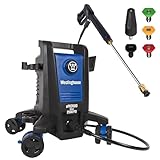
Pressure washing, also known as power washing, is a cleaning method that utilizes high-pressure water spray to remove dirt, grime, mold, mildew, and other contaminants from various surfaces. The technique is particularly effective for outdoor cleaning tasks, such as driveways, decks, patios, and siding. The fundamental principle behind pressure washing is simple: by increasing the water pressure, the force of the water can dislodge stubborn debris that traditional cleaning methods may struggle to remove.
This method not only enhances the aesthetic appeal of surfaces but also helps in prolonging their lifespan by preventing the buildup of harmful substances. The equipment used in pressure washing typically consists of a motor or engine that powers a pump, which then forces water through a nozzle at high pressure. The pressure can vary significantly depending on the machine’s specifications, with residential models generally ranging from 1,300 to 2,800 PSI (pounds per square inch).
Commercial-grade machines can exceed 4,000 PSI, making them suitable for heavy-duty tasks. Understanding the basics of pressure washing also involves recognizing the importance of water temperature; hot water can be more effective in breaking down grease and oil stains compared to cold water. Thus, knowing how to select the right equipment and techniques is crucial for achieving optimal results.
Key Takeaways
- Pressure washing requires understanding different pressure levels and surface types for optimal results.
- Selecting the appropriate pressure washer depends on the job size and surface material.
- Proper surface preparation is essential to avoid damage and ensure thorough cleaning.
- Using correct techniques tailored to each surface enhances cleaning effectiveness and prevents harm.
- Following safety guidelines and regular maintenance prolongs equipment life and ensures safe operation.
Choosing the Right Pressure Washer for the Job
Selecting the appropriate pressure washer is essential for ensuring that the cleaning task is completed efficiently and effectively. There are two primary types of pressure washers: electric and gas-powered. Electric pressure washers are generally lighter, quieter, and easier to maintain, making them ideal for residential use and smaller jobs like cleaning cars or patio furniture.
They typically operate at lower pressures, ranging from 1,300 to 2,000 PSI, which is sufficient for most household cleaning tasks. However, they may struggle with tougher jobs that require more power. On the other hand, gas-powered pressure washers are more robust and capable of delivering higher pressures, often exceeding 3,000 PSI.
This makes them suitable for larger projects such as cleaning driveways, decks, and siding. When choosing a gas-powered model, it’s important to consider factors such as engine size and pump quality. Additionally, features like adjustable nozzles and detergent tanks can enhance versatility and ease of use.
Ultimately, the choice between electric and gas-powered models should be guided by the specific cleaning tasks at hand, as well as personal preferences regarding convenience and maintenance.
Preparing the Surface for Pressure Washing

Before diving into pressure washing, proper preparation of the surface is crucial to ensure effective cleaning and prevent damage. The first step involves removing any loose debris such as leaves, dirt, or furniture from the area to be cleaned. This not only allows for better access but also prevents debris from being sprayed around during the washing process.
For surfaces like decks or patios, it may be beneficial to sweep or use a leaf blower to clear away any loose particles. Next, it’s important to inspect the surface for any existing damage or vulnerabilities. Cracks in concrete or peeling paint on wooden surfaces can be exacerbated by high-pressure water.
If any repairs are needed, they should be addressed before pressure washing begins. Additionally, applying a pre-treatment solution can help loosen stubborn stains or mold before the actual washing takes place. This step is particularly useful for surfaces that have not been cleaned in a long time or are heavily soiled.
By taking these preparatory measures, you can ensure that your pressure washing efforts yield the best possible results.
Mastering Pressure Washing Techniques for Different Surfaces
Different surfaces require distinct pressure washing techniques to achieve optimal results without causing damage. For instance, when cleaning concrete driveways or sidewalks, a fan spray nozzle is often recommended to cover larger areas effectively. The nozzle should be held at a consistent distance of about 12 inches from the surface to avoid etching or damaging the concrete.
It’s also advisable to work in sections and maintain a steady motion to ensure even cleaning. When it comes to wooden surfaces like decks or fences, caution is paramount. Wood is more susceptible to damage from high-pressure water; therefore, using a lower pressure setting and a wider spray pattern is essential.
A 25-degree nozzle is typically suitable for wood surfaces. Additionally, it’s wise to test a small inconspicuous area first to gauge how the wood reacts to the pressure before proceeding with the entire surface. For delicate surfaces such as vinyl siding or painted surfaces, using an even lower pressure setting along with a specialized cleaning solution can help remove dirt without stripping paint or damaging materials.
Safety Precautions and Best Practices for Pressure Washing
| Step | Action | Recommended Pressure (PSI) | Water Flow Rate (GPM) | Safety Tips |
|---|---|---|---|---|
| 1 | Prepare the area and equipment | N/A | N/A | Wear protective gear, clear debris, check hoses |
| 2 | Connect water supply and power source | N/A | N/A | Ensure secure connections, avoid electrical hazards |
| 3 | Select appropriate nozzle | 1300 – 3000 PSI (varies by surface) | 1.2 – 2.5 GPM | Use lower pressure for delicate surfaces |
| 4 | Start pressure washer and test spray | 1500 – 2000 PSI for general cleaning | 1.5 – 2.0 GPM | Keep nozzle at least 6 inches from surface |
| 5 | Clean surface using sweeping motion | 1500 – 2500 PSI | 1.5 – 2.5 GPM | Do not hold nozzle in one spot to avoid damage |
| 6 | Rinse and turn off equipment | N/A | N/A | Release pressure before disconnecting hoses |
Safety should always be a top priority when engaging in pressure washing activities. The high-pressure water jets can cause serious injuries if not handled properly. It’s essential to wear appropriate personal protective equipment (PPE), including safety goggles to protect your eyes from flying debris and heavy-duty gloves to shield your hands from chemicals and high-pressure water.
Closed-toe shoes with good traction are also recommended to prevent slips on wet surfaces. In addition to personal safety gear, it’s crucial to be aware of your surroundings while pressure washing.
Furthermore, it’s advisable to check for overhead power lines before starting your work; high-pressure hoses can easily become entangled with electrical wires if not handled carefully. Lastly, always follow the manufacturer’s instructions regarding equipment operation and maintenance to minimize risks associated with improper use.
Troubleshooting Common Pressure Washing Problems

Even experienced users may encounter issues while pressure washing that can hinder their progress or affect results. One common problem is inconsistent water pressure during operation. This can often be attributed to clogs in the nozzle or hose; therefore, inspecting these components for blockages is essential.
If you notice a drop in pressure while working, stop and check for any obstructions that may need clearing. Another frequent issue is streaking or uneven cleaning results on surfaces. This can occur if the nozzle is held too close to the surface or if you’re moving too slowly while washing.
To remedy this problem, adjust your distance from the surface and maintain a consistent speed as you work across the area. Additionally, using a cleaning solution specifically designed for pressure washing can help achieve more uniform results by breaking down tough stains more effectively.
Maintaining and Cleaning Your Pressure Washer
Proper maintenance of your pressure washer is vital for ensuring its longevity and optimal performance over time. After each use, it’s important to flush out any remaining detergent or debris from the system by running clean water through the machine for several minutes. This helps prevent clogs and buildup that could impair functionality during future use.
Regular inspections of key components such as hoses, nozzles, and filters are also necessary to identify any signs of wear or damage early on.
Additionally, storing your pressure washer in a dry place away from extreme temperatures will help protect it from environmental damage.
For gas-powered models, consider using fuel stabilizers if you plan on storing it for an extended period; this will prevent fuel degradation and ensure smooth operation when you’re ready to use it again.
Tips for Maximizing the Efficiency and Effectiveness of Pressure Washing
To maximize both efficiency and effectiveness during pressure washing tasks, planning ahead is key. Start by assessing the area you intend to clean and determining which surfaces require different techniques or pressures. Creating a checklist of tasks can help streamline your process and ensure that no steps are overlooked.
Utilizing appropriate cleaning solutions can significantly enhance your results as well. Many manufacturers offer specialized detergents designed for specific surfaces or types of stains; using these products can make your job easier and yield better outcomes than relying solely on water pressure alone. Additionally, consider investing in accessories such as surface cleaners or extension wands that allow you to cover larger areas more quickly while maintaining consistent results.
In conclusion, understanding the intricacies of pressure washing—from selecting the right equipment to mastering techniques tailored for various surfaces—can greatly enhance your cleaning endeavors. By adhering to safety precautions and maintaining your equipment diligently, you can ensure that your pressure washing tasks are not only effective but also enjoyable experiences that yield satisfying results.
If you’re looking to effectively use a pressure washer, it’s essential to understand the right techniques and safety measures. A great resource for this is the article on how to pressure wash a car and have a great time, which provides detailed instructions and tips to ensure you achieve the best results while enjoying the process.




Leave a Reply