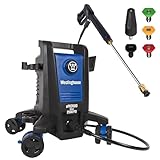
Pressure washing can be an incredibly effective way to revitalize exterior surfaces, blasting away grime, mold, and mildew that accumulate over time. However, this powerful cleaning method is not without its risks. The high-pressure water stream, capable of stripping paint and etching concrete, can inflict serious injury if not handled with the proper respect and precautions. Think of a pressure washer as a controlled flood of immense force; without the right defenses, you’re standing directly in its path. This article outlines the essential safety gear you, as the operator, must utilize to ensure a safe and productive pressure washing experience.
Your eyes are windows to the world, and in the context of pressure washing, they are exceptionally vulnerable. The abrasive nature of dirt, small debris, and the high-velocity water itself can cause immediate and irreversible damage. Ignoring eye protection is akin to walking through a sandstorm unprotected; the consequences can be devastating.
Safety Glasses: The Minimum Requirement
At a minimum, you must wear safety glasses that meet ANSI Z87.1 standards. These glasses are designed to withstand impact from flying particles. Look for models with side shields, as these offer an additional layer of protection against debris entering from the periphery. The lenses should be made of polycarbonate, a material known for its impact resistance.
Goggles: Enhanced Protection for Intensive Work
For more demanding tasks or when working in environments with a high likelihood of splashback, full-coverage goggles are recommended. These create a seal around your eye sockets, preventing water and debris from entering, even at extreme angles. They are particularly crucial when cleaning overhead surfaces or working in confined spaces where water and particles might rebound unexpectedly.
Face Shields: The Ultimate Barrier
When undertaking heavy-duty pressure washing or when there’s a significant risk of high-pressure spray to the face, a full face shield is indispensable. This transparent barrier extends from your forehead down to your chin, offering comprehensive protection for your entire face. Many face shields are designed to be worn in conjunction with safety glasses or goggles for an added layer of security. It’s like deploying a formidable bulwark against an incoming barrage.
When engaging in pressure washing, it’s crucial to prioritize safety by using the appropriate gear and protective equipment. For those looking to enhance their cleaning techniques while ensuring safety, a related article on efficient brick cleaning with an electric pressure washer can provide valuable insights. You can read more about it here: Efficient Brick Cleaning with Electric Pressure Washer. This resource not only discusses effective cleaning methods but also emphasizes the importance of wearing the right safety gear to protect yourself during the process.
Hearing Protection: Silencing the Roar
Pressure washers, especially gasoline-powered models, can generate noise levels that are detrimental to your hearing. Prolonged exposure to such decibels can lead to temporary or permanent hearing loss. The constant whine and roar of the engine and water can be likened to standing next to a jet engine; your ears need shielding.
Earplugs: Simple and Effective
Disposable foam earplugs are an economical and readily available option. They are inserted into the ear canal and expand to create a seal, significantly reducing the noise that reaches your eardrum. Ensure you roll and insert them correctly for optimal noise reduction.
Earmuffs: Robust Noise Reduction
For continuous or extended operation, earmuffs offer superior noise reduction and comfort. These fit over the entire ear, creating a more substantial barrier against sound. Look for earmuffs with a high Noise Reduction Rating (NRR), which indicates their effectiveness in blocking out sound. Active noise-canceling earmuffs can also be considered for ultimate comfort and protection in extremely loud environments.
Footwear: Gripping and Protecting Your Foundation

Your feet are your anchor, providing stability and mobility while you operate the pressure washer. The surfaces you’ll be working on are often wet, slippery, and potentially hazardous. Proper footwear is key to preventing slips, falls, and injuries to your feet.
Slip-Resistant Boots: The Essential Footwear
Investing in a pair of high-quality, slip-resistant boots is paramount. Look for boots with deep treads designed to channel water away, maximizing your grip on wet surfaces. Steel-toe boots are also highly recommended, as they provide protection against dropped tools or heavy objects, offering a robust shield for your extremities.
Waterproofing: Keeping Dry and Comfortable
Working with water necessitates waterproof footwear. This not only keeps your feet dry and comfortable but also prevents potential fungal infections and discomfort. Many slip-resistant boots are inherently waterproof, but it’s a feature worth confirming.
Hand and Arm Protection: Guarding Your Tools

Your hands are your primary interface with the pressure washer wand; they are responsible for directing its power. Consequently, they are exposed to high-pressure spray, abrasive materials, and the potential for repetitive strain.
Gloves: The Tactile Shield
Water-resistant and durable gloves are essential for protecting your hands. Look for gloves made of materials like neoprene or nitrile, which offer good grip and chemical resistance, as well as protection from the elements. The grip is crucial; a slippery wand in wet conditions is an invitation to disaster.
Long Sleeves: A Buffer Against the Spray
Wearing long-sleeved shirts and durable pants provides an additional layer of protection for your arms and legs. This guards against accidental contact with the high-pressure spray, which can cause abrasions and welts. Consider clothing made of thick, tightly woven fabrics that offer some resistance to penetration.
When engaging in pressure washing, it is crucial to prioritize safety by using the appropriate gear and protective equipment. For those looking to enhance their cleaning experience, understanding the best tools available can make a significant difference. You can explore a comprehensive guide on the top pressure washers that can help you achieve optimal results in your cleaning tasks by visiting this article on pressure washers. Make sure to equip yourself properly to ensure both effectiveness and safety during your cleaning projects. For more information, check out the article here.
Respiratory Protection: Breathing Easy Amidst the Dust
| Safety Gear / Protective Equipment | Purpose | Key Features | Recommended Standards | Usage Notes |
|---|---|---|---|---|
| Safety Goggles / Face Shield | Protect eyes and face from debris and high-pressure water spray | Impact resistant, splash proof, anti-fog coating | ANSI Z87.1 | Wear at all times during operation to prevent eye injuries |
| Hearing Protection (Earplugs or Earmuffs) | Reduce noise exposure from pressure washer engine | Noise reduction rating (NRR) 25 dB or higher | OSHA 29 CFR 1910.95 | Use in noisy environments to prevent hearing loss |
| Protective Gloves | Protect hands from chemicals, water pressure, and abrasions | Waterproof, chemical resistant, abrasion resistant | EN 388 (for mechanical risks) | Choose gloves suitable for chemicals used in cleaning |
| Non-slip Safety Boots | Prevent slips and protect feet from water and debris | Slip resistant soles, waterproof, steel toe optional | ASTM F2413 | Wear boots with good traction on wet surfaces |
| Waterproof Protective Clothing | Protect skin and clothing from water and chemicals | Waterproof, breathable, chemical resistant | EN 343 (for rainwear) | Wear full coverage clothing to avoid skin exposure |
| Respiratory Protection (Mask or Respirator) | Protect lungs from inhaling chemical fumes or dust | Filters for organic vapors or particulates as needed | NIOSH approved | Use when working with hazardous chemicals or in dusty areas |
While pressure washing primarily involves water, some surfaces may harbor mold, mildew, or dust that can become airborne during the cleaning process. Inhaling these particles can lead to respiratory irritation or more serious health problems.
Dust Masks: For Light Particulate Situations
For tasks involving the removal of dry dirt or light dust, a basic N95 disposable respirator or dust mask can offer sufficient protection. These masks are designed to filter out airborne particles of a certain size.
Respirators: For Mold and Chemical Exposure
If you are dealing with significant mold growth or using chemical cleaning agents with your pressure washer, a more robust respirator might be necessary. Look for respirators with cartridges specifically designed to filter out mold spores and/or chemical vapors. It’s like creating a personal clean air bubble around your breathing apparatus. Ensure the respirator forms a proper seal with your face for effective filtration.




Leave a Reply