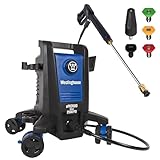
Electric pressure washers contain capacitors that serve as essential components for motor operation. A capacitor functions as an electrical energy storage device that accumulates and releases power as required by the motor system. The primary function involves providing the initial electrical surge necessary for motor startup and supporting continued operation.
Electric pressure washers typically utilize two distinct capacitor types: start capacitors and run capacitors. Start capacitors deliver concentrated energy bursts to initiate motor rotation, while run capacitors maintain consistent power delivery during ongoing operation to optimize motor efficiency. Motor startup failure or complete operational failure often results from capacitor malfunction.
Capacitor specifications vary according to motor requirements and manufacturer design. These components directly impact pressure washer performance, as inadequate capacitor function can prevent proper motor startup or cause reduced operational efficiency. When troubleshooting pressure washer malfunctions, capacitor condition represents a critical diagnostic consideration due to its integral role in motor function.
Key Takeaways
- The capacitor is essential for starting and running the electric pressure washer motor efficiently.
- Common signs of a faulty capacitor include the motor not starting, humming noises, or intermittent operation.
- Proper tools like a multimeter, screwdriver, and replacement capacitor are necessary for safe and effective replacement.
- Follow safety precautions such as unplugging the washer and discharging the capacitor before handling it.
- Regular maintenance and timely professional assistance can prevent capacitor failure and extend the pressure washer’s lifespan.
Signs of a Faulty Capacitor in an Electric Pressure Washer
Recognizing the signs of a faulty capacitor can save you time and money when troubleshooting your electric pressure washer. One of the most common indicators is difficulty starting the machine. If you find that your pressure washer struggles to turn on or requires multiple attempts before it finally starts, this could be a sign that the capacitor is failing.
A weak or damaged capacitor may not provide enough power to initiate the motor, leading to frustrating delays. Another telltale sign of a faulty capacitor is unusual noises coming from the machine. If you hear a humming or buzzing sound when attempting to start your pressure washer, it may indicate that the capacitor is not functioning correctly.
This noise often results from the motor trying to start without sufficient power from the capacitor. Additionally, if you notice any visible damage to the capacitor itself, such as bulging or leaking, it’s crucial to address this issue immediately. Ignoring these signs can lead to further damage to your pressure washer and potentially costly repairs.
Tools and Materials Needed for Capacitor Replacement

Before embarking on the journey of replacing a faulty capacitor in your electric pressure washer, it’s essential to gather the necessary tools and materials. First and foremost, you will need a replacement capacitor that matches the specifications of your original part. It’s advisable to consult your user manual or contact the manufacturer to ensure you select the correct capacitor for your model.
In addition to the replacement capacitor, you will need a few basic tools to facilitate the replacement process. A screwdriver set is essential for removing any screws that hold the casing of your pressure washer together. Depending on your model, you may also require pliers for disconnecting wires and a multimeter for testing electrical connections.
Safety gear, such as gloves and safety goggles, should also be on hand to protect yourself during the process. Having all these tools ready will make your task smoother and more efficient.
Step-by-Step Guide to Replacing the Capacitor in an Electric Pressure Washer
Once you have gathered all necessary tools and materials, you can begin the process of replacing the capacitor in your electric pressure washer. Start by ensuring that the machine is unplugged from any power source to prevent electrical shock. Next, remove any screws or fasteners that secure the casing of your pressure washer.
Carefully lift off the casing to expose the internal components, including the motor and capacitor. Locate the faulty capacitor within the machine.
Take note of how it is connected before disconnecting it; this will help you when installing the new capacitor. Use pliers to gently remove any wire connectors attached to the old capacitor. Once disconnected, remove any mounting screws or brackets holding it in place and take out the old capacitor.
Now it’s time to install the new capacitor. Position it in place and secure it with screws or brackets as needed. Reconnect the wires according to your earlier observations, ensuring that each connection is tight and secure.
After everything is reassembled, replace the casing of your pressure washer and secure it with screws. Finally, plug in your machine and test it to ensure that it operates correctly with the new capacitor.
Safety Precautions to Take When Replacing the Capacitor
| Metric | Value | Unit | Notes |
|---|---|---|---|
| Capacitor Voltage Rating | 250 | Volts (V) | Common rating for electric pressure washer motors |
| Capacitance | 10-20 | Microfarads (µF) | Typical range for start/run capacitors |
| Replacement Frequency | Every 3-5 | Years | Depends on usage and environment |
| Average Replacement Time | 15-30 | Minutes | Time to replace capacitor by a skilled technician |
| Common Failure Symptoms | Motor won’t start, humming noise, overheating | N/A | Indicates capacitor issues |
| Cost of Replacement Capacitor | 5-15 | Units | Cost range for typical capacitors (excluding labor) |
| Safety Precaution | Discharge capacitor before handling | N/A | Prevents electric shock |
Safety should always be your top priority when working on electrical appliances like an electric pressure washer. Before starting any repair work, ensure that you have unplugged the machine from its power source. This simple step can prevent accidental electrocution while you are handling internal components.
Additionally, wearing safety goggles can protect your eyes from any debris or accidental sparks that may occur during disassembly. It’s also wise to use insulated tools when working with electrical components. Insulated tools are designed to reduce the risk of electrical shock by providing an extra layer of protection between you and live wires.
It’s better to be safe than sorry when dealing with potentially hazardous situations.
Testing the New Capacitor and Troubleshooting

After successfully replacing the capacitor in your electric pressure washer, it’s essential to test its functionality before putting your machine back into regular use. Start by plugging in your pressure washer and turning it on as you normally would. Pay close attention to how it starts; a properly functioning capacitor should allow for a smooth startup without any unusual noises or delays.
If your pressure washer still exhibits issues after replacing the capacitor, further troubleshooting may be necessary. Check all connections to ensure they are secure and correctly positioned. If everything appears in order but problems persist, consider testing other components such as the motor or wiring for faults.
Using a multimeter can help you diagnose electrical issues more effectively by measuring voltage and continuity throughout various parts of your machine.
Maintenance Tips to Prevent Capacitor Failure in an Electric Pressure Washer
Preventing capacitor failure in your electric pressure washer involves regular maintenance and care for your machine. One effective way to extend the life of your capacitor is by ensuring that your pressure washer is stored properly when not in use. Keep it in a dry environment away from extreme temperatures or humidity, as these conditions can negatively impact electrical components over time.
Additionally, regularly inspect your pressure washer for any signs of wear or damage. Look for frayed wires, loose connections, or any visible signs of corrosion around electrical components. Addressing these issues promptly can help prevent further damage and prolong the lifespan of your capacitor and other internal parts.
Lastly, consider running your pressure washer periodically even during off-seasons; this helps keep all components in good working order.
When to Seek Professional Help for Capacitor Replacement in an Electric Pressure Washer
While many DIY enthusiasts may feel confident tackling capacitor replacement on their own, there are times when seeking professional help is advisable. If you encounter significant difficulties during disassembly or reassembly, or if you are unsure about any aspect of the process, don’t hesitate to reach out to a qualified technician. They possess specialized knowledge and experience that can ensure a safe and effective repair.
Moreover, if your electric pressure washer continues to exhibit problems even after replacing the capacitor, it may indicate deeper issues within the machine that require expert diagnosis. Professional technicians can conduct thorough inspections and provide solutions that may not be apparent to someone without extensive experience in electrical repairs. Ultimately, knowing when to seek help can save you time and prevent further complications down the line.
In conclusion, understanding how capacitors function within electric pressure washers is essential for maintaining these powerful machines effectively. By recognizing signs of failure, gathering necessary tools, following proper replacement procedures, and adhering to safety precautions, you can tackle this task with confidence. Regular maintenance practices will also help prevent future issues while knowing when to seek professional assistance ensures that your pressure washer remains in optimal condition for years to come.
If you’re considering replacing the capacitor in your electric pressure washer, it’s essential to understand how to use the machine effectively afterward. For a comprehensive guide on operating electric pressure washers, check out this helpful article on how to use electric pressure washers. This resource will provide you with valuable tips to ensure your pressure washer runs smoothly after any maintenance, including capacitor replacement.




Leave a Reply