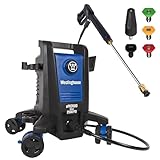
Electric pressure washers have become increasingly popular among homeowners and professionals alike, thanks to their efficiency and ease of use. These powerful machines utilize high-pressure water jets to remove dirt, grime, and stains from various surfaces, making them an ideal choice for cleaning tasks around the home. Unlike their gas-powered counterparts, electric pressure washers are quieter, lighter, and more environmentally friendly, making them a practical option for those who want to maintain their outdoor spaces without the hassle of fuel and emissions.
When it comes to cleaning brick surfaces, electric pressure washers can be particularly effective. The combination of high pressure and water flow allows you to tackle tough stains and accumulated dirt that can detract from the beauty of your brickwork. Whether you are preparing your home for sale, enhancing curb appeal, or simply maintaining your property, understanding how to use an electric pressure washer effectively can make a significant difference in the results you achieve.
Key Takeaways
- Electric pressure washers offer an effective and eco-friendly solution for cleaning brick surfaces.
- Proper preparation of the brick surface is essential to achieve optimal cleaning results.
- Using the right techniques ensures efficient removal of dirt without damaging the brick.
- Safety precautions must be followed to prevent injury and equipment damage during use.
- Regular maintenance and troubleshooting help extend the lifespan and performance of electric pressure washers.
Benefits of Using Electric Pressure Washers for Brick Cleaning
One of the primary benefits of using electric pressure washers for brick cleaning is their ability to deliver consistent and powerful cleaning performance. The high-pressure water jets can penetrate the porous surface of bricks, effectively removing dirt, moss, algae, and other contaminants that can accumulate over time. This not only restores the appearance of your brickwork but also helps to prevent long-term damage caused by these elements.
Another advantage is the convenience that electric pressure washers offer. They are typically lighter and easier to maneuver than gas-powered models, allowing you to clean large areas without feeling fatigued. Additionally, electric pressure washers often come with various attachments and nozzles that enable you to customize the cleaning process according to your specific needs.
This versatility makes them suitable for a range of applications beyond just brick cleaning, including patios, driveways, and siding.
Preparing the Brick Surface for Cleaning

Before you begin cleaning your brick surfaces with an electric pressure washer, it is essential to prepare the area properly. Start by removing any loose debris, such as leaves, dirt, or cobwebs, from the surface. This initial step will help prevent larger particles from becoming dislodged during the cleaning process and potentially causing damage to the bricks or surrounding areas.
Next, inspect the brickwork for any signs of damage or deterioration. Look for cracks or loose bricks that may need repair before you proceed with pressure washing. If you notice any significant issues, it may be wise to address these problems first to avoid exacerbating them during the cleaning process.
Once you have ensured that the surface is clear and in good condition, you can set up your electric pressure washer and prepare for an effective cleaning session.
Techniques for Efficient Brick Cleaning with Electric Pressure Washer
To achieve optimal results when cleaning brick surfaces with an electric pressure washer, employing the right techniques is crucial. Start by selecting the appropriate nozzle for your machine; a wide-angle nozzle is typically best for general cleaning, while a narrow nozzle can be used for tougher stains. Adjusting the pressure settings on your washer is also important; too high a pressure can damage the bricks or mortar, while too low may not effectively remove dirt.
When you begin washing, maintain a consistent distance from the surface—usually around 12 to 18 inches—to ensure even coverage without causing harm. Move the nozzle in a sweeping motion rather than focusing on one spot for too long. This technique helps to distribute the water evenly and prevents potential damage from concentrated pressure.
For stubborn stains or areas with heavy buildup, consider pre-treating those spots with a suitable cleaning solution before using the pressure washer.
Safety Precautions to Consider when Using Electric Pressure Washers
| Feature | Specification | Benefit for Brick Cleaning |
|---|---|---|
| Pressure (PSI) | 2000 – 3000 | Effective removal of dirt and grime without damaging brick surface |
| Flow Rate (GPM) | 1.2 – 1.5 | Provides sufficient water volume for thorough cleaning |
| Power Source | Electric (Corded or Battery) | Convenient for residential use, quieter and eco-friendly |
| Nozzle Type | 25° or 40° fan nozzle | Wide spray pattern to avoid brick damage and cover larger area |
| Weight | 15 – 25 lbs | Lightweight for easy maneuverability around brick walls |
| Detergent Tank | Built-in or attachable | Allows use of cleaning agents for tough stains on bricks |
| Cord Length | 20 – 35 feet | Provides flexibility to reach different areas without unplugging |
| Safety Features | Trigger lock, thermal relief valve | Prevents accidental spraying and protects motor from overheating |
Safety should always be a top priority when operating an electric pressure washer. Before you start cleaning, make sure to wear appropriate protective gear, including safety goggles and gloves. These items will help shield you from flying debris and any chemicals you may use during the cleaning process.
Additionally, it’s wise to wear non-slip footwear to prevent accidents on wet surfaces. Another critical safety consideration is ensuring that your electric pressure washer is set up correctly. Always use an extension cord rated for outdoor use if needed, and avoid using it in wet conditions to minimize the risk of electrical shock.
Familiarize yourself with the machine’s operation manual before use, paying close attention to any specific safety instructions provided by the manufacturer. By taking these precautions seriously, you can enjoy a safe and effective cleaning experience.
Maintaining and Caring for Your Electric Pressure Washer

Proper maintenance of your electric pressure washer is essential for ensuring its longevity and optimal performance. After each use, take a few moments to clean the machine thoroughly. This includes rinsing off any soap or debris from the nozzle and wand and checking for any clogs in the system.
Regularly inspect hoses and connections for signs of wear or damage; replacing worn parts promptly can prevent more significant issues down the line. Additionally, it’s important to store your electric pressure washer in a dry place when not in use. If you live in an area with freezing temperatures, consider draining any remaining water from the pump and hoses to prevent damage from ice expansion.
Following these maintenance tips will help keep your electric pressure washer in excellent working condition and ready for your next cleaning project.
Troubleshooting Common Issues with Electric Pressure Washers
Even with proper care and maintenance, you may encounter some common issues with your electric pressure washer from time to time. One frequent problem is a loss of pressure during operation. If you notice that the water flow is weak or inconsistent, check for clogs in the nozzle or hose.
Debris buildup can restrict water flow, so clearing these obstructions often resolves the issue. Another common concern is difficulty starting the machine. Ensure that it is plugged in securely and that any extension cords used are in good condition.
If your electric pressure washer still won’t start, consult the user manual for troubleshooting steps specific to your model. In some cases, resetting the machine or checking circuit breakers may be necessary to restore functionality.
Conclusion and Final Tips for Efficient Brick Cleaning with Electric Pressure Washer
In conclusion, electric pressure washers are invaluable tools for maintaining and restoring brick surfaces around your home. By understanding their benefits and employing effective techniques for cleaning, you can achieve impressive results while preserving the integrity of your brickwork. Remember to prepare your surfaces adequately and prioritize safety throughout the process.
As you embark on your brick cleaning journey with an electric pressure washer, keep these final tips in mind: always test a small area first to gauge how your bricks respond to pressure washing; adjust your technique based on the condition of your surfaces; and don’t hesitate to seek professional help if you encounter significant issues beyond your expertise. With these strategies in hand, you’ll be well-equipped to tackle any brick cleaning project efficiently and effectively.
If you’re considering using an electric pressure washer for cleaning brick surfaces, it’s essential to understand the proper techniques to achieve the best results. For a comprehensive guide on how to effectively use electric pressure washers, you can refer to this article: How to Use Electric Pressure Washers. This resource provides valuable tips and insights that can help you maximize the efficiency of your cleaning tasks.




Leave a Reply