Algae growth on concrete surfaces is a common issue that many homeowners and property managers face. To effectively combat this problem, it is essential to understand the underlying causes that contribute to algae proliferation. Algae thrive in damp, shaded environments, making concrete surfaces, especially those that are frequently wet or poorly drained, prime candidates for growth.
Factors such as humidity, moisture retention, and lack of sunlight create an ideal habitat for these organisms. If you have a concrete patio, driveway, or walkway that is often shaded by trees or buildings, you may find that algae can quickly take hold. Another significant factor contributing to algae growth is the presence of organic matter.
Leaves, dirt, and other debris can accumulate on concrete surfaces, providing nutrients that promote algae development. When rainwater washes these materials onto your concrete, it creates a nutrient-rich environment that encourages algae to flourish. Additionally, if your concrete is porous or has cracks, it can retain moisture and organic material, further exacerbating the problem.
Understanding these causes is the first step in effectively managing and preventing algae growth on your concrete surfaces.
Key Takeaways
- Algae growth on concrete is caused by moisture, shade, and organic debris accumulation.
- Prevention includes improving drainage, increasing sunlight exposure, and regular cleaning.
- Natural remedies like vinegar and baking soda can effectively remove algae without harsh chemicals.
- Chemical treatments and pressure washing offer faster algae removal but require careful application.
- Ongoing maintenance and environmentally friendly practices help sustain algae-free concrete surfaces.
Prevention Methods to Keep Algae from Returning
Once you have identified the causes of algae growth on your concrete surfaces, you can implement several prevention methods to keep it from returning. One of the most effective strategies is to ensure proper drainage around your concrete areas. By directing water away from your concrete surfaces, you can minimize moisture retention and reduce the likelihood of algae growth.
Installing drainage systems or grading the landscape to promote water runoff can significantly improve the situation. In addition to improving drainage, regular maintenance is crucial in preventing algae from taking hold. This includes routine cleaning to remove organic debris and dirt that can serve as a food source for algae.
Sweeping or using a leaf blower to clear leaves and other debris from your concrete surfaces can go a long way in keeping them clean. Furthermore, consider trimming back any overhanging branches or foliage that may cast shade on your concrete areas. By allowing more sunlight to reach these surfaces, you can create an environment that is less conducive to algae growth.
Natural Remedies for Removing Algae from Concrete

If you find yourself dealing with an existing algae problem on your concrete surfaces, there are several natural remedies you can try before resorting to harsher chemicals. One popular method involves using a mixture of vinegar and water. Vinegar is a natural acid that can effectively kill algae without harming the surrounding environment.
To use this method, mix equal parts of vinegar and water in a spray bottle and apply it directly to the affected areas. Allow it to sit for about 30 minutes before scrubbing with a stiff brush and rinsing with water. Another effective natural remedy is baking soda.
This common household item not only helps with cleaning but also acts as an abrasive agent that can help remove stubborn algae stains. To use baking soda for algae removal, create a paste by mixing it with water and apply it to the affected areas. Scrub the paste into the concrete with a brush and let it sit for a while before rinsing it off with water.
Both vinegar and baking soda are safe alternatives that can help restore the appearance of your concrete surfaces without introducing harmful chemicals into the environment.
Chemical Solutions for Algae Removal
While natural remedies can be effective for minor algae problems, you may encounter situations where chemical solutions are necessary for more stubborn infestations. There are various commercial products available specifically designed for algae removal from concrete surfaces. These products typically contain powerful ingredients that target and eliminate algae quickly and efficiently.
When using chemical solutions, it’s essential to follow the manufacturer’s instructions carefully to ensure safety and effectiveness. Before applying any chemical solution, make sure to protect surrounding plants and surfaces from potential damage. Cover nearby vegetation with plastic sheeting or tarps to prevent any harmful runoff from affecting them.
After applying the chemical solution, allow it to sit for the recommended time before scrubbing the area with a stiff brush and rinsing thoroughly with water. While chemical solutions can be effective, they should be used judiciously and as a last resort when natural methods fail.
Pressure Washing Techniques for Algae Removal
| Method | Materials Needed | Effectiveness | Time Required | Safety Considerations | Notes |
|---|---|---|---|---|---|
| Pressure Washing | Pressure washer, water | High | 30-60 minutes | Wear protective eyewear and gloves | Best for large areas; avoid damaging concrete surface |
| Bleach Solution | Bleach, water, scrub brush | Moderate to High | 1-2 hours including soaking | Use gloves, eye protection, and ensure ventilation | Dilute bleach (1:10 ratio); rinse thoroughly |
| Vinegar Treatment | White vinegar, water, scrub brush | Moderate | 1-2 hours | Wear gloves; avoid contact with plants | Eco-friendly option; may require repeated applications |
| Baking Soda Paste | Baking soda, water, scrub brush | Low to Moderate | 1-2 hours | Generally safe; wear gloves if sensitive skin | Good for small patches; gentle on concrete |
| Commercial Algaecides | Algaecide product, water, sprayer | High | Varies by product (usually 30-60 minutes) | Follow product safety instructions | Effective but may contain chemicals; use as directed |
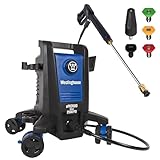
Pressure washing is another highly effective method for removing algae from concrete surfaces. This technique utilizes high-pressure water jets to blast away dirt, grime, and algae without the need for harsh chemicals. If you have access to a pressure washer, you can achieve impressive results by following some simple techniques.
Start by adjusting the pressure setting according to the manufacturer’s recommendations for concrete surfaces; too high of a pressure can damage the concrete. When pressure washing, begin at one end of the area and work your way systematically across the surface. Use sweeping motions to ensure even coverage and avoid concentrating on one spot for too long, which could lead to surface damage.
For particularly stubborn patches of algae, you may want to pre-treat those areas with a cleaning solution before pressure washing them away. After completing the pressure washing process, allow the surface to dry completely before assessing whether further treatment is necessary.
Professional Cleaning Services for Stubborn Algae

In some cases, despite your best efforts with DIY methods, stubborn algae may persist on your concrete surfaces. If you find yourself in this situation, it may be time to consider hiring professional cleaning services specializing in algae removal.
When selecting a professional cleaning service, look for companies with experience in dealing with concrete surfaces and positive customer reviews. They will typically conduct an assessment of your property before recommending a tailored approach to address your specific needs. While hiring professionals may involve an upfront cost, their expertise can save you time and effort while ensuring that your concrete surfaces are thoroughly cleaned and restored.
Maintaining a Clean Concrete Surface to Prevent Algae Growth
Once you have successfully removed algae from your concrete surfaces, maintaining their cleanliness is crucial in preventing future growth. Regular maintenance routines should become part of your property care regimen. This includes periodic sweeping or blowing off debris, as well as washing down the surfaces with water to remove any accumulated dirt or organic matter.
Additionally, consider applying a sealant designed for concrete surfaces after cleaning them thoroughly. A good sealant creates a protective barrier that helps repel moisture and prevents organic material from settling into the pores of the concrete. This added layer of protection can significantly reduce the chances of algae taking hold again in the future.
Environmental Considerations When Removing Algae from Concrete
As you work on removing algae from your concrete surfaces, it’s essential to consider the environmental impact of your chosen methods. Many chemical solutions can be harmful to local ecosystems if not used responsibly.
When using natural remedies or chemical solutions, be mindful of runoff that could affect nearby plants or waterways. Taking precautions such as covering vegetation or using barriers can help mitigate potential harm. By being conscious of your environmental footprint while addressing algae growth on your concrete surfaces, you can maintain both a clean property and a healthy ecosystem around you.
In conclusion, understanding the causes of algae growth on concrete is vital in preventing its return and maintaining clean surfaces. By implementing effective prevention methods, utilizing natural remedies or chemical solutions when necessary, employing pressure washing techniques, considering professional services for stubborn cases, and maintaining cleanliness over time, you can keep your concrete free from unsightly algae while being mindful of environmental considerations throughout the process.
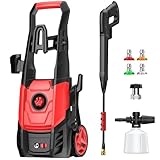
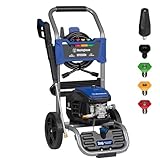
If you’re looking for effective ways to remove algae from concrete surfaces, you might find it helpful to explore the benefits of using electric pressure washers. For a comprehensive guide on the top electric pressure washers made in the USA, check out this article on the best options available: Top 10 USA-Made Electric Pressure Washers. These powerful tools can make the task of cleaning algae much easier and more efficient.




Leave a Reply