Oil stains on concrete surfaces result from the material’s porous composition, which readily absorbs oils from various sources including vehicle leaks, cooking oil spills, and machinery. When oil penetrates the tiny pores and crevices in concrete, it forms a bond that becomes increasingly difficult to remove over time. Fresh oil stains are typically easier to clean than older stains that have become more deeply embedded in the surface.
Several factors influence the difficulty of oil stain removal. The specific type of oil involved and the length of time the stain has been present both significantly affect the cleaning process. Vehicle oils, for example, may require different treatment methods than cooking oils.
Additionally, untreated stains tend to become more entrenched as they age, making prompt action advisable for optimal results. Understanding these characteristics of oil stains and how they interact with concrete is fundamental to developing an effective removal strategy. This knowledge allows property owners to select appropriate cleaning methods and products suited to their specific situation, whether the stain appears on a driveway, garage floor, or patio.
Key Takeaways
- Oil stains on concrete can be addressed using various absorbent materials and cleaning agents.
- Household items like baking soda, dish soap, vinegar, and hydrogen peroxide can effectively break down and lift oil stains.
- Commercial degreasers and specialized oil stain removers provide stronger cleaning power for tough stains.
- Pressure washing combined with scrubbing enhances stain removal on concrete surfaces.
- Preventing future stains involves applying sealants and maintaining regular cleaning routines.
Using Absorbent Materials to Lift Oil Stains
One of the most effective initial steps in addressing oil stains is to use absorbent materials. When you notice a fresh oil spill, your first instinct should be to act quickly. You can sprinkle absorbent materials like cat litter, sawdust, or even baking soda directly onto the stain.
These materials work by soaking up the oil before it has a chance to penetrate deeper into the concrete. Allowing them to sit for several hours or overnight can yield better results, as they will have more time to absorb the oil. After letting the absorbent material do its job, you can sweep it away and inspect the stain.
In many cases, you may find that a significant portion of the oil has been lifted from the surface. If the stain persists, don’t be discouraged; this method is often just the first step in a multi-faceted approach to cleaning your concrete. The key is to remain patient and persistent, as some stains may require additional treatments for complete removal.
Applying Commercial Degreasers to Break Down Oil

If absorbent materials alone don’t do the trick, you might want to consider using commercial degreasers specifically designed for breaking down oil stains. These products are formulated with powerful solvents that can penetrate deep into the concrete and dissolve stubborn oil residues. When selecting a degreaser, look for one that is suitable for use on concrete surfaces and follow the manufacturer’s instructions carefully.
To apply a commercial degreaser, start by ensuring that the area is clean and free from debris. Then, spray or pour the degreaser directly onto the stain and allow it to sit for the recommended amount of time. This waiting period is crucial, as it gives the product time to work its magic.
Afterward, scrub the area with a stiff-bristled brush to help lift any remaining oil particles. Rinse thoroughly with water to remove any residue from the degreaser and check if further treatment is necessary.
Utilizing Household Items like Baking Soda and Dish Soap
If you prefer a more DIY approach, household items like baking soda and dish soap can be surprisingly effective in tackling oil stains on concrete. Baking soda is a natural abrasive that can help lift stains without damaging the surface of your concrete. Combine it with dish soap, which has grease-cutting properties, to create a potent cleaning solution.
Mix a few tablespoons of baking soda with a squirt of dish soap and enough water to form a paste. Apply this paste directly onto the stain and let it sit for about 30 minutes. The combination of baking soda and dish soap will work together to break down the oil while also absorbing some of it.
After allowing it to sit, scrub the area with a brush or sponge before rinsing with water. This method is not only effective but also environmentally friendly, making it an excellent choice for those who prefer natural cleaning solutions.
Pressure Washing for Stubborn Oil Stains
| Method | Materials Needed | Estimated Time | Effectiveness | Difficulty Level | Notes |
|---|---|---|---|---|---|
| Cat Litter Absorption | Clay-based cat litter, broom | 1-2 hours (including absorption time) | Moderate for fresh stains | Easy | Best for fresh oil stains; absorb oil before cleaning |
| Baking Soda and Dish Soap | Baking soda, dish soap, stiff brush, water | 30-60 minutes | Good for light to moderate stains | Easy to Moderate | Scrub thoroughly and rinse well |
| WD-40 and Baking Soda | WD-40, baking soda, brush, water | 30-45 minutes | Good for stubborn stains | Moderate | Apply WD-40, then baking soda, scrub and rinse |
| Trisodium Phosphate (TSP) | TSP, water, stiff brush, gloves | 1-2 hours | High for tough stains | Moderate to Hard | Use protective gear; follow instructions carefully |
| Commercial Concrete Cleaner | Concrete cleaner, brush, water | 1-2 hours | High | Easy to Moderate | Follow product instructions for best results |
| Absorbent Powder (e.g., Cornstarch) | Cornstarch or talcum powder, broom | 1-2 hours | Low to Moderate | Easy | Good for fresh stains; less effective on old stains |
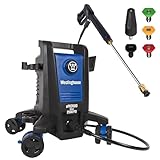
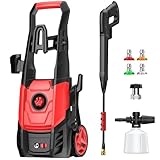
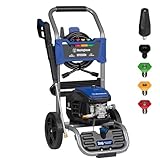
For particularly stubborn oil stains that resist other cleaning methods, pressure washing can be an effective solution. This technique utilizes high-pressure water jets to blast away dirt and grime from surfaces, including concrete. Before you begin pressure washing, ensure that you have the right equipment and safety gear, as well as a clear understanding of how to operate the pressure washer safely.
Start by applying a degreaser or cleaning solution specifically designed for use with pressure washers. Allow it to sit for a few minutes before using the pressure washer on the stained area. The combination of high pressure and cleaning solution can effectively lift even the most entrenched oil stains from your concrete surface.
After pressure washing, rinse thoroughly with clean water to ensure no residue remains.
Using a Concrete Cleaner and Scrubbing Brush

If you’re looking for a more targeted approach, using a concrete cleaner along with a scrubbing brush can yield excellent results. Concrete cleaners are specially formulated to tackle tough stains while being safe for use on concrete surfaces. When selecting a cleaner, look for one that specifically mentions its effectiveness against oil stains.
To use this method, apply the concrete cleaner directly onto the stain according to the product instructions. Allow it to penetrate for a few minutes before taking a stiff-bristled scrubbing brush and working it into the stain in circular motions. This action helps lift any remaining oil particles from within the concrete’s pores.
After scrubbing, rinse thoroughly with water to remove any cleaner residue and check if further treatment is necessary.
Applying a Paste of Hydrogen Peroxide and Baking Soda
Another effective method for removing oil stains involves creating a paste using hydrogen peroxide and baking soda. Hydrogen peroxide acts as a natural bleaching agent and can help break down organic compounds found in oil stains. To create this paste, mix equal parts hydrogen peroxide and baking soda until you achieve a thick consistency.
Apply this paste generously over the stained area and let it sit for at least 30 minutes or longer if possible. The bubbling action created by hydrogen peroxide will help lift the stain from the concrete surface while baking soda absorbs any remaining oil. Afterward, scrub gently with a brush before rinsing thoroughly with water.
This method not only helps remove stains but also brightens your concrete surface.
Trying a Vinegar and Water Solution
Vinegar is another household item that can be surprisingly effective in combating oil stains on concrete surfaces. Its acidic nature allows it to break down grease and grime effectively. To create a vinegar solution, mix equal parts white vinegar and water in a spray bottle or bucket.
Spray or pour this solution directly onto the stain and let it sit for about 15-20 minutes. The vinegar will penetrate the stain and help dissolve any remaining oil particles. After allowing it to work its magic, scrub the area with a stiff brush before rinsing thoroughly with water.
This method is not only effective but also inexpensive and environmentally friendly.
Using Cat Litter or Sawdust for Oil Absorption
If you find yourself dealing with an oil spill in real-time, using cat litter or sawdust can be an immediate solution for absorption. These materials are excellent at soaking up excess oil before it has a chance to set into your concrete surface. Simply sprinkle a generous amount over the spill and allow it to sit for several hours or overnight.
Once enough time has passed, sweep away the litter or sawdust and inspect the area for any remaining stains. If necessary, follow up with one of the previously mentioned methods for deeper cleaning. This quick response can significantly reduce the chances of permanent staining on your concrete surface.
Trying a Commercial Oil Stain Remover
If all else fails, consider investing in a commercial oil stain remover specifically designed for concrete surfaces. These products are formulated with powerful ingredients that target oil stains effectively while being safe for use on concrete. When choosing a commercial product, read reviews and select one that has proven results.
Follow the manufacturer’s instructions carefully when applying the product to ensure optimal results. Typically, you will apply it directly onto the stain and allow it to sit for a specified period before scrubbing and rinsing away. While this option may require an investment, it can save you time and effort in dealing with stubborn stains.
Preventing Future Oil Stains with Sealant and Regular Maintenance
Once you’ve successfully removed oil stains from your concrete surface, consider taking preventive measures to avoid future issues. Applying a high-quality sealant can create a protective barrier that helps repel oil and other substances from penetrating into your concrete’s pores. This proactive approach not only enhances your surface’s appearance but also makes future cleaning much easier.
In addition to sealing your concrete, regular maintenance is crucial in preventing future stains from becoming entrenched. Regularly sweeping away debris and spills promptly will go a long way in maintaining your concrete’s integrity and appearance. By combining these preventive measures with effective cleaning techniques, you can keep your concrete surfaces looking pristine for years to come.
In conclusion, dealing with oil stains on concrete may seem daunting at first glance; however, by understanding their nature and employing various cleaning methods—from absorbent materials to commercial products—you can effectively restore your surfaces. With patience and persistence, you’ll be able to maintain clean and attractive concrete areas around your home or business.
If you’re looking for effective ways to remove oil stains from your concrete driveway without using a pressure washer, you might find helpful tips in this article. For a comprehensive guide on cleaning techniques and products that can help tackle tough stains, check out the article on pressure washer soaps, detergents, and chemicals. This resource provides valuable insights that can be applied even if you’re not using a pressure washer.




Leave a Reply