In today’s fast-paced world, maintaining a clean and healthy living environment is more important than ever. You may find yourself overwhelmed by the myriad of commercial cleaning products available, each promising to deliver sparkling results. However, have you ever considered the benefits of DIY surface cleaning? Not only can you save money, but you also have the power to control the ingredients that go into your cleaning solutions. By embracing DIY methods, you can create effective cleaning solutions tailored to your specific needs while minimizing your environmental impact.
DIY surface cleaning allows you to harness the power of natural ingredients, many of which you likely already have in your pantry. This approach not only promotes a healthier home but also fosters a sense of accomplishment as you take charge of your cleaning routine. Whether you’re tackling kitchen counters, bathroom surfaces, or even carpets, there are countless ways to achieve a pristine environment without relying on harsh chemicals. In this article, you will explore various homemade cleaning solutions, natural cleaning agents, and practical tips to make your DIY surface cleaning experience both effective and enjoyable.
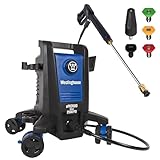
If you’re considering alternatives to renting a surface cleaner for your weekend projects, you might find it helpful to explore the benefits of owning an electric pressure washer. Not only do they provide convenience for various cleaning tasks, but they can also save you money in the long run. For more insights on why purchasing an electric pressure washer could be a great investment, check out this informative article: Electric Pressure Washers: What’s Stopping You from Buying One? Part 2.
Key Takeaways
- DIY surface cleaning can be effectively done using homemade and natural cleaning solutions.
- Essential tools and equipment enhance the efficiency of DIY cleaning projects.
- Stubborn stains and carpet cleaning can be managed without renting specialized machines.
- Eco-friendly and cost-effective methods provide sustainable alternatives for surface cleaning.
- Tailored tips and techniques improve results for various surfaces like tile, grout, and carpets.
Homemade Cleaning Solutions
Creating your own cleaning solutions can be both fun and rewarding. You might start with simple recipes that require just a few common ingredients. For instance, a basic all-purpose cleaner can be made by mixing equal parts of water and white vinegar in a spray bottle. This solution is not only effective at cutting through grease and grime but also leaves surfaces streak-free. You can enhance its cleaning power by adding a few drops of essential oils like lemon or tea tree oil, which not only provide a pleasant scent but also possess antibacterial properties.
Another popular homemade solution is baking soda paste, which can be made by mixing baking soda with a small amount of water. This paste works wonders on tough stains and can be used on various surfaces, including countertops and sinks. Simply apply the paste to the stained area, let it sit for a few minutes, and then scrub gently with a sponge or cloth. The mild abrasiveness of baking soda helps lift stains without scratching surfaces, making it an ideal choice for those who prefer gentle yet effective cleaning methods.
Natural Cleaning Agents

When it comes to natural cleaning agents, you have a wealth of options at your disposal. Vinegar is perhaps one of the most versatile ingredients in your DIY cleaning arsenal. Its acidic nature makes it excellent for breaking down mineral deposits, cutting through grease, and eliminating odors. You might find that using vinegar in combination with baking soda creates a powerful fizzing reaction that can tackle tough stains and grime effectively.
Another fantastic natural cleaning agent is lemon juice. The citric acid in lemons not only acts as a natural disinfectant but also leaves behind a fresh scent. You can use lemon juice to clean cutting boards, remove stains from fabrics, or even freshen up your microwave by heating a bowl of water with lemon slices inside. The steam helps loosen any stuck-on food while leaving behind a pleasant aroma. By incorporating these natural agents into your cleaning routine, you can achieve impressive results without exposing yourself or your family to harmful chemicals.
Tools and Equipment Needed for DIY Surface Cleaning

To embark on your DIY surface cleaning journey, you’ll need some essential tools and equipment that will make the process smoother and more efficient. A good set of microfiber cloths should be at the top of your list. These cloths are highly absorbent and effective at trapping dust and dirt without scratching surfaces. You may find that using different colors for various areas of your home helps keep things organized and hygienic.
In addition to cloths, consider investing in a sturdy scrub brush for tougher jobs. A brush with stiff bristles can help you tackle stubborn stains on surfaces like tile or grout. For delicate surfaces, opt for a softer brush or sponge to avoid damage. A spray bottle is also essential for applying your homemade cleaning solutions evenly across surfaces. With these basic tools in hand, you’ll be well-equipped to handle any cleaning challenge that comes your way.
If you’re considering tackling some weekend projects without the hassle of renting a surface cleaner, you might find it helpful to explore various alternatives that can save you time and money. One option is to invest in a quality pressure washer, which can be used for multiple cleaning tasks around your home. For more insights on selecting the right equipment for your needs, check out this informative article on the best pressure washers available, which can help you make an informed decision. You can read it here: best pressure washer.
Tips for Effective DIY Surface Cleaning
| Alternative | Cost | Ease of Use | Effectiveness | Suitability for Weekend Projects | Additional Notes |
|---|---|---|---|---|---|
| Manual Scrubbing with Brush and Detergent | Low | Moderate | Moderate | Good | Requires physical effort; best for small areas |
| Using a Garden Hose with High-Pressure Nozzle | Low | Easy | Moderate | Good | Less effective on tough stains |
| Purchasing a Basic Electric Surface Cleaner | Medium | Easy | High | Excellent | One-time investment; good for frequent use |
| Using a Pressure Washer with Surface Cleaner Attachment | Medium to High | Moderate | Very High | Excellent | Requires some experience; versatile for other tasks |
| Hiring a Professional Service | High | Not Applicable | Very High | Good | Convenient but costly; no equipment needed |
To maximize the effectiveness of your DIY surface cleaning efforts, there are several tips you should keep in mind. First and foremost, always test your homemade solutions on a small, inconspicuous area before applying them to larger surfaces. This precaution ensures that the ingredients won’t cause any damage or discoloration. Additionally, allow your cleaning solutions to sit for a few minutes before wiping them away; this dwell time gives the ingredients a chance to break down dirt and grime effectively.
Another important tip is to work from top to bottom when cleaning surfaces. Start with higher areas like shelves or countertops and gradually move down to floors. This method prevents dust and debris from falling onto already cleaned areas, making your efforts more efficient. Lastly, don’t forget to regularly declutter your spaces before deep cleaning; removing items from surfaces allows you to clean more thoroughly and makes the entire process feel less overwhelming.
Removing Stubborn Stains Without Rentals
Stubborn stains can be one of the most frustrating aspects of surface cleaning, but with the right techniques, you can tackle them head-on without resorting to expensive rental equipment. For example, if you’re dealing with tough stains on fabric or upholstery, consider using a mixture of dish soap and warm water. Dampen a cloth with the solution and gently blot the stain until it begins to lift. Avoid rubbing too hard, as this can spread the stain further.
For hard surfaces like countertops or tiles, baking soda paste can be particularly effective against stubborn stains. Apply the paste directly onto the stain and let it sit for at least 15 minutes before scrubbing gently with a brush or cloth. The combination of baking soda’s abrasiveness and its ability to absorb odors makes it an excellent choice for tackling tough spots without damaging the surface underneath.
DIY Alternatives for Carpet Cleaning
Carpet cleaning can often feel like an insurmountable task, especially when faced with spills or pet accidents. However, there are several DIY alternatives that can help restore your carpets without the need for professional services or expensive machines. One effective method involves using club soda to treat fresh stains. Simply pour a small amount directly onto the stain and blot with a clean cloth until the stain lifts away.
For deeper cleaning, consider creating a carpet cleaner using white vinegar and water in equal parts. Spray this solution onto the carpet and let it sit for about 10 minutes before blotting it up with a clean cloth or sponge. This method not only helps remove stains but also neutralizes odors trapped within the fibers of your carpet. By utilizing these simple techniques, you can keep your carpets looking fresh and clean without breaking the bank.
DIY Solutions for Tile and Grout Cleaning
Cleaning tile and grout can be particularly challenging due to their porous nature and tendency to accumulate dirt over time. Fortunately, there are several DIY solutions that can help restore their original luster without resorting to harsh chemicals or expensive cleaners. One popular method involves using a mixture of baking soda and hydrogen peroxide to create a powerful grout cleaner. Simply apply the paste to the grout lines, let it sit for about 10-15 minutes, then scrub with an old toothbrush before rinsing with water.
Another effective solution is to use vinegar diluted with water as a tile cleaner. Spray this mixture onto the tiles and let it sit for a few minutes before wiping it away with a microfiber cloth or sponge. The acidity of vinegar helps break down soap scum and mineral deposits while leaving tiles shiny and clean. By incorporating these DIY methods into your cleaning routine, you can keep your tile surfaces looking pristine without spending a fortune on commercial products.
Eco-Friendly Options for Surface Cleaning
As awareness of environmental issues continues to grow, many individuals are seeking eco-friendly options for their cleaning routines. Fortunately, DIY surface cleaning provides an excellent opportunity to reduce your carbon footprint while still achieving effective results. By using natural ingredients like vinegar, baking soda, and essential oils, you can create powerful cleaning solutions that are safe for both your family and the planet.
In addition to using natural ingredients, consider repurposing containers for your homemade cleaners instead of purchasing new plastic bottles. Glass spray bottles are an excellent choice as they are reusable and recyclable, reducing waste in landfills. Furthermore, by making your own cleaners in small batches, you can minimize packaging waste while ensuring that you always have fresh solutions on hand when needed.
Cost-Effective DIY Surface Cleaning Methods
One of the most appealing aspects of DIY surface cleaning is its cost-effectiveness compared to commercial products. Many of the ingredients used in homemade cleaners are inexpensive and readily available at local grocery stores or even in your pantry. For instance, vinegar and baking soda are both affordable staples that can be used in various recipes for different surfaces around your home.
Moreover, by making your own cleaners, you eliminate the need for multiple specialized products that often come with hefty price tags. Instead of purchasing separate cleaners for glass, wood, and countertops, you can create versatile all-purpose solutions that work effectively across various surfaces. This not only saves you money but also simplifies your cleaning routine by reducing clutter under your sink.
Conclusion and Recap of DIY Alternatives for Surface Cleaning
In conclusion, embracing DIY surface cleaning offers numerous benefits that extend beyond just saving money; it empowers you to take control of your home environment while promoting sustainability through natural ingredients. From homemade cleaning solutions made from vinegar and baking soda to eco-friendly options that minimize waste, there are countless ways to achieve sparkling results without relying on commercial products filled with harsh chemicals.
By equipping yourself with essential tools and following effective techniques for tackling stubborn stains or deep-cleaning carpets and tiles, you can transform your living space into a clean haven that reflects your values and priorities. As you embark on this journey toward cleaner surfaces through DIY methods, remember that every small step contributes to a healthier home and planet—one spray bottle at a time!




Leave a Reply