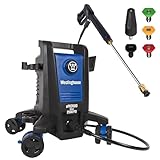
When it comes to pressure washers, two primary types dominate the market: direct drive and belt drive models. Each type has its own unique characteristics, making them suitable for different applications and user preferences. As a commercial user, understanding these differences is crucial for making an informed decision that aligns with your specific needs. Direct drive pressure washers are known for their simplicity and compact design, while belt drive models are often praised for their durability and ability to handle heavy-duty tasks. In this article, you will delve into the intricacies of both systems, exploring their design, functionality, performance, and overall suitability for commercial use.
As you navigate through the various aspects of direct drive and belt drive pressure washers, you will gain insights into how each type operates and the advantages they offer. Whether you are a contractor, facility manager, or business owner, knowing the strengths and weaknesses of these machines will empower you to select the right equipment for your commercial cleaning tasks. By the end of this exploration, you will be better equipped to make a choice that enhances your operational efficiency and meets your cleaning demands.
When considering the best pressure washer for commercial use, one important factor to evaluate is the type of drive system—direct drive versus belt drive. Each system has its advantages and drawbacks, making it essential to understand how they impact performance and maintenance. For a comprehensive overview of pressure washers and their applications, you can refer to this informative article that discusses various models and their suitability for different tasks: Best Pressure Washer 2020: From Driveways to Bikes, Clean Everything Easily.
Key Takeaways
- Direct drive pressure washers offer simpler design and easier maintenance compared to belt drive models.
- Belt drive washers generally provide higher power and better durability for heavy commercial use.
- Maintenance and repair costs tend to be lower for direct drive washers due to fewer moving parts.
- Belt drive models usually produce less noise and vibration, enhancing operator comfort in commercial settings.
- Price and environmental impact vary, with direct drive units often being more cost-effective and eco-friendly for certain applications.
Understanding the Differences in Design and Functionality
The design of direct drive pressure washers is straightforward; they feature a pump that is directly connected to the engine or motor. This direct connection allows for a more compact and lightweight machine, which can be advantageous in terms of portability. However, this design also means that the pump experiences more wear and tear due to the high RPMs generated by the engine. In contrast, belt drive pressure washers utilize a belt system to connect the engine to the pump. This design not only reduces the RPMs that the pump experiences but also allows for better torque management, making it ideal for heavy-duty applications.
Functionality is another area where these two types diverge significantly. Direct drive models are typically easier to operate and maintain due to their simpler construction. They are often favored for light to medium-duty tasks, such as cleaning vehicles or small outdoor areas. On the other hand, belt drive pressure washers excel in demanding environments where prolonged use is common. Their ability to handle higher pressures and flow rates makes them suitable for commercial applications like industrial cleaning or large-scale surface preparation. Understanding these design and functionality differences will help you determine which type aligns best with your operational requirements.
Comparing Power and Performance between Direct Drive and Belt Drive Pressure Washers

When evaluating power and performance, direct drive pressure washers often deliver higher PSI (pounds per square inch) ratings compared to their belt-driven counterparts. This makes them effective for quick cleaning tasks where speed is essential. However, while they may excel in short bursts of power, they can struggle with sustained use due to overheating and wear on the pump. If your cleaning tasks require frequent stops and starts or involve lighter materials, a direct drive model may serve you well.
Conversely, belt drive pressure washers are designed for endurance. They typically operate at lower RPMs, which translates to less strain on the pump during extended use. This makes them ideal for commercial settings where machines are expected to run for hours at a time without faltering. The torque produced by belt-driven systems allows them to maintain consistent pressure even under heavy loads, making them suitable for tough jobs like graffiti removal or heavy machinery cleaning. By comparing these performance metrics, you can better assess which type of pressure washer will meet your specific power needs.
Evaluating Durability and Longevity for Commercial Use

Durability is a critical factor when selecting equipment for commercial use, as it directly impacts your operational costs and efficiency. Direct drive pressure washers tend to have a shorter lifespan due to their high RPM operation, which can lead to quicker wear on components like seals and bearings. While they may be less expensive upfront, their longevity can be a concern if you plan on using them frequently in a commercial setting.
In contrast, belt drive pressure washers are built with durability in mind. The belt system reduces the stress on the pump, allowing it to operate more efficiently over time. Many commercial users find that investing in a belt drive model pays off in the long run due to its ability to withstand rigorous use without significant degradation in performance. If your business relies on consistent cleaning capabilities day in and day out, opting for a more durable belt drive pressure washer could be a wise investment.
When considering the best pressure washer for commercial use, it’s essential to understand the differences between direct drive and belt drive systems. Direct drive pressure washers are typically lighter and more compact, making them easier to maneuver, while belt drive models often offer greater durability and longevity under heavy use. For a deeper dive into the various types of electric pressure washers available, including those made in the USA, you can check out this informative article on the top options available at electric pressure washers.
Analyzing Maintenance and Repair Costs for Direct Drive and Belt Drive Pressure Washers
| Feature | Direct Drive Pressure Washer | Belt Drive Pressure Washer | Commercial Use Suitability |
|---|---|---|---|
| Power Output (PSI) | Up to 4000 PSI | Up to 5000 PSI | Higher PSI models preferred for heavy-duty cleaning |
| Durability | Moderate – fewer moving parts but higher wear on pump | High – belt absorbs shock, reducing pump wear | Belt drive preferred for extended daily use |
| Maintenance | Lower maintenance, simpler design | Requires belt tension checks and replacements | Direct drive easier for quick maintenance |
| Noise Level | Generally quieter | Louder due to belt and pulley system | Direct drive better for noise-sensitive environments |
| Cost | Lower initial cost | Higher initial cost | Budget considerations for commercial fleets |
| Weight & Portability | Lighter and more compact | Heavier due to belt system | Direct drive preferred for mobile operations |
| Heat Dissipation | Less efficient, risk of overheating under heavy use | Better heat dissipation due to belt system | Belt drive better for continuous heavy-duty tasks |
| Typical Applications | Light to medium commercial cleaning | Heavy-duty commercial and industrial cleaning | Choose based on cleaning intensity and frequency |
Maintenance is an essential consideration when choosing between direct drive and belt drive pressure washers. Direct drive models generally require more frequent maintenance due to their design. The high RPMs can lead to faster wear on parts, necessitating regular inspections and replacements of components like pumps and seals. This can translate into higher repair costs over time, especially if the machine is used extensively in a commercial environment.
On the other hand, belt drive pressure washers often have lower maintenance requirements thanks to their robust design. The reduced RPMs mean that parts experience less wear, leading to fewer repairs needed over the lifespan of the machine. While initial costs may be higher for belt-driven models, the long-term savings on maintenance and repairs can make them a more cost-effective choice for businesses that rely on pressure washing as part of their operations.
When considering the best options for commercial pressure washers, it’s essential to understand the differences between direct drive and belt drive systems. Each type has its advantages, impacting performance and maintenance requirements. For a deeper dive into this topic, you can explore a related article that discusses various features and benefits of these systems in detail. Understanding these distinctions can help you make an informed decision for your business needs. For more information, check out this insightful piece on pressure washer options.
Considering Noise Levels and Vibration in a Commercial Setting
Noise levels and vibration are important factors to consider when operating pressure washers in commercial settings. Direct drive pressure washers tend to produce more noise due to their high RPM operation. This can be a concern in environments where noise regulations are in place or where employees need to communicate effectively while working. The vibrations generated by these machines can also lead to operator fatigue over time, making them less comfortable for prolonged use.
Belt drive pressure washers typically operate at lower noise levels and produce less vibration due to their design. The belt system absorbs some of the vibrations generated by the engine, resulting in a smoother operation that is easier on the operator. If your work environment requires extended periods of use or has noise restrictions, opting for a belt drive model may enhance both comfort and compliance with regulations.
Examining Portability and Maneuverability for Commercial Applications
Portability is another key consideration when selecting a pressure washer for commercial use. Direct drive models are often lighter and more compact than their belt-driven counterparts, making them easier to transport from one job site to another. Their smaller size can also make them more maneuverable in tight spaces, allowing you to tackle various cleaning tasks without hassle.
However, while portability is an advantage of direct drive models, it’s essential to consider whether this outweighs other factors like durability and performance. Belt drive pressure washers may be bulkier but often come equipped with larger wheels or frames designed for stability during transport. If your work involves moving equipment frequently across uneven terrain or longer distances, investing in a sturdy belt drive model could provide better overall maneuverability despite its size.
Discussing Price and Cost-Effectiveness for Commercial Use
Price is always a significant factor when making purchasing decisions for commercial equipment. Direct drive pressure washers generally come with a lower initial price tag compared to belt-driven models. This affordability can be appealing if you’re working within a tight budget or if you need multiple units for various tasks.
However, it’s crucial to consider cost-effectiveness beyond just the initial purchase price. While direct drive models may save you money upfront, their higher maintenance costs and shorter lifespan could lead to greater expenses over time. In contrast, although belt drive pressure washers may require a larger initial investment, their durability and lower maintenance needs often result in long-term savings that make them more cost-effective in commercial applications.
Exploring the Environmental Impact of Direct Drive and Belt Drive Pressure Washers
As environmental concerns continue to grow, understanding the ecological impact of your equipment choices is essential. Both direct drive and belt drive pressure washers can vary in their environmental footprint based on factors like fuel consumption and emissions. Direct drive models tend to operate at higher RPMs, which can lead to increased fuel consumption during use.
Belt drive pressure washers often operate more efficiently due to their lower RPMs, potentially resulting in reduced fuel consumption over time. Additionally, many modern models are designed with eco-friendly features that minimize emissions and promote sustainable practices. When considering your options, it’s worth exploring how each type aligns with your commitment to environmental responsibility while still meeting your commercial cleaning needs.
Reviewing User Feedback and Satisfaction for Commercial Applications
User feedback plays an invaluable role in understanding how well different types of pressure washers perform in real-world applications. Many users report satisfaction with direct drive models for light-duty tasks due to their ease of use and quick setup times. However, some users express concerns about their longevity when used extensively in commercial settings.
Conversely, feedback on belt drive pressure washers often highlights their durability and ability to handle heavy-duty tasks without faltering under pressure. Users appreciate the reduced maintenance needs and overall reliability of these machines during prolonged use. By reviewing user experiences across both types of pressure washers, you can gain insights into which model may best suit your specific commercial applications.
Choosing the Right Pressure Washer for Your Commercial Needs
In conclusion, selecting between direct drive and belt drive pressure washers requires careful consideration of various factors including design, power, durability, maintenance costs, noise levels, portability, price, environmental impact, and user feedback. Each type has its strengths and weaknesses that cater to different commercial needs.
If your tasks involve light-duty cleaning with an emphasis on portability and ease of use, a direct drive model may be suitable for your operations. However, if you require a machine that can withstand heavy-duty tasks with minimal maintenance over time, investing in a belt drive pressure washer could prove more beneficial in the long run. Ultimately, understanding your specific requirements will guide you toward making an informed decision that enhances your operational efficiency while meeting your commercial cleaning demands effectively.




Leave a Reply