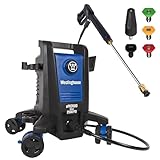
PSI (pounds per square inch) is a critical measurement when pressure washing home siding, as it determines the water pressure output from the equipment. This measurement directly affects both cleaning effectiveness and the potential for material damage. Proper PSI selection enables removal of dirt, mold, mildew, and other contaminants while preserving the integrity of siding materials.
Excessive pressure can cause several types of damage, including paint removal, surface denting on softer materials, and water infiltration behind siding panels. Water penetration can lead to moisture damage within wall structures, potentially causing rot, mold growth, or insulation deterioration. Different siding materials require specific pressure ranges for safe cleaning.
Vinyl siding generally tolerates higher PSI levels than wood, fiber cement, or stucco surfaces. Wood siding is particularly susceptible to pressure damage due to its softer composition and grain structure. Stucco and other masonry materials may crack or chip under excessive pressure.
Understanding these material-specific requirements helps determine appropriate equipment settings and cleaning techniques. This knowledge prevents costly repairs while ensuring effective cleaning results that maintain the siding’s appearance and structural integrity.
Key Takeaways
- PSI (pounds per square inch) is crucial for effective and safe siding cleaning.
- Different siding materials require specific PSI levels to avoid damage.
- Using incorrect PSI can lead to siding damage or ineffective cleaning.
- Proper techniques and safety tips are essential when pressure washing siding.
- Professional consultation can ensure the right PSI and methods for your siding type.
Factors to Consider When Choosing PSI for Siding
When selecting the appropriate PSI for your siding, several factors come into play. First and foremost, consider the type of siding material you have. Vinyl siding is generally more resilient and can handle pressures between 1,500 to 2,500 PSI.
In contrast, wood siding requires a gentler approach, typically around 1,200 to 1,500 PSI, to avoid splintering or damaging the surface. Knowing your material’s specific requirements is essential for effective cleaning without causing harm. Another critical factor is the level of dirt and grime present on your siding.
If your home has not been cleaned in years or is situated in a particularly dusty area, you may need a higher PSI to tackle stubborn stains. However, it’s important to balance this need with the risk of damage. Additionally, consider the age and condition of your siding; older materials may be more susceptible to damage and require a lower PSI setting.
By taking these factors into account, you can make an informed decision that ensures both cleanliness and preservation of your siding.
Different Types of Siding and Their PSI Requirements

Understanding the different types of siding and their specific PSI requirements is essential for effective pressure washing. Vinyl siding is one of the most common materials used in residential homes due to its durability and low maintenance needs. It can typically withstand pressures ranging from 1,500 to 2,500 PSI.
This range allows for effective cleaning while minimizing the risk of damage. However, it’s still advisable to start at the lower end of this spectrum and gradually increase pressure as needed. Wood siding presents a different challenge.
While it offers a classic aesthetic appeal, it is more vulnerable to damage from high-pressure washing. For wood siding, a PSI range of 1,200 to 1,500 is generally recommended. This lower pressure helps prevent splintering and ensures that the wood remains intact.
Other materials like stucco or brick also have their own unique requirements; stucco can typically handle pressures up to 1,500 PSI, while brick can withstand higher pressures but should still be approached with caution to avoid dislodging mortar. Understanding these distinctions will help you choose the right pressure settings for each type of siding.
How to Determine the Right PSI for Your Siding
Determining the right PSI for your siding involves a combination of research and practical testing. Start by identifying the material of your siding and consulting manufacturer guidelines or industry standards for recommended pressure levels. Many manufacturers provide specific cleaning instructions that include ideal PSI ranges tailored to their products.
This information serves as a valuable starting point for your pressure washing project. Once you have established a baseline PSI based on your siding material, consider conducting a test wash in an inconspicuous area. This test will allow you to observe how your siding reacts to different pressure levels without risking damage to the entire surface.
Begin with a lower PSI setting and gradually increase it until you find an effective level that cleans without causing harm. Remember that factors such as distance from the surface and nozzle type also influence cleaning effectiveness; adjusting these variables can help you achieve optimal results while maintaining safety.
The Risks of Using the Wrong PSI for Siding
| Siding Material | Recommended PSI Range | Notes |
|---|---|---|
| Vinyl Siding | 1300 – 1600 PSI | Use a wide-angle nozzle to avoid damage |
| Wood Siding | 500 – 600 PSI | Low pressure to prevent wood damage |
| Aluminum Siding | 1200 – 1600 PSI | Avoid high pressure to prevent denting |
| Brick or Stone Siding | 3000 – 4000 PSI | Higher pressure needed for deep cleaning |
| Stucco Siding | 800 – 1200 PSI | Use moderate pressure to avoid surface damage |
Using the wrong PSI when pressure washing your siding can lead to a host of problems that may compromise both aesthetics and structural integrity. One of the most immediate risks is physical damage to the siding itself. High-pressure washing can strip paint from surfaces, create dents in softer materials like vinyl or aluminum, and even cause wood siding to splinter or crack.
Such damage not only detracts from your home’s appearance but may also necessitate costly repairs or replacements. In addition to physical damage, using excessive pressure can lead to water infiltration behind the siding. This situation can create an environment conducive to mold growth and rot, ultimately compromising the structural integrity of your home.
Water trapped behind siding can lead to significant issues over time, including costly repairs and decreased property value. Therefore, understanding and adhering to appropriate PSI levels is essential for maintaining both the beauty and longevity of your home’s exterior.
Tips for Safely Using a Pressure Washer on Siding

To ensure safe and effective pressure washing on your siding, there are several tips you should keep in mind. First, always wear appropriate safety gear, including goggles and gloves, to protect yourself from debris and high-pressure water spray. Additionally, make sure to read the manufacturer’s instructions for both your pressure washer and any cleaning solutions you plan to use.
This knowledge will help you operate the equipment safely and effectively. When pressure washing, maintain a safe distance from the surface—typically around 2 feet—before gradually moving closer as needed. Use a wide spray nozzle to distribute pressure evenly across larger areas; this technique minimizes concentrated force that could damage your siding.
Furthermore, work in sections and rinse thoroughly after applying any cleaning solution to prevent residue buildup. By following these safety tips, you can achieve a clean exterior while protecting both yourself and your home.
Maintenance and Care for Siding After Pressure Washing
After pressure washing your siding, proper maintenance and care are essential for preserving its condition and appearance. Start by inspecting the surface for any signs of damage or wear that may have been revealed during cleaning. Look for loose boards, cracks in wood siding, or peeling paint that may need attention.
Addressing these issues promptly will help prevent further deterioration and maintain your home’s curb appeal. Additionally, consider applying a protective sealant or paint after cleaning if your siding material allows it. This step can provide an extra layer of protection against moisture and UV damage while enhancing the overall look of your home.
Regular maintenance checks should also be scheduled every few months to ensure that dirt buildup or mold does not return quickly after cleaning. By committing to ongoing care for your siding post-pressure washing, you can extend its lifespan and keep your home looking its best.
Consulting a Professional for Pressure Washing Siding
While many homeowners choose to tackle pressure washing themselves, consulting a professional can often be beneficial—especially if you’re unsure about handling specific materials or techniques safely. Professionals possess not only the right equipment but also extensive experience in assessing different types of siding and determining appropriate PSI levels for effective cleaning without causing damage. Hiring a professional service can save you time and effort while ensuring that your home receives a thorough clean tailored to its unique needs.
They are trained in best practices for pressure washing and can identify potential issues that may require attention beyond just cleaning. Ultimately, consulting with experts allows you to enjoy peace of mind knowing that your home’s exterior is in capable hands while you focus on other important aspects of home maintenance.
When considering the appropriate PSI for pressure washing your siding, it’s essential to understand the capabilities of different pressure washers. For a comprehensive guide on selecting the right electric pressure washer, you can refer to this article on the top 10 USA-made electric pressure washers, which provides insights into performance and suitability for various cleaning tasks. Check it out here: Top 10 USA-Made Electric Pressure Washers.




Leave a Reply