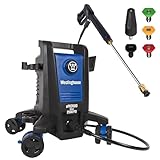
When it comes to pressure washing, one of the most critical factors to consider is the PSI, or pounds per square inch. This measurement indicates the amount of pressure that the water is expelled from the nozzle of the pressure washer. Understanding PSI is essential because it directly affects how effectively you can clean various surfaces, including your home’s siding.
If you use too high a PSI, you risk damaging the material, while too low a PSI may not effectively remove dirt and grime. Therefore, familiarizing yourself with this concept is the first step toward achieving a clean and well-maintained exterior. Different surfaces require different PSI levels for optimal cleaning.
For instance, a concrete driveway can withstand much higher pressure than wood siding. Knowing the appropriate PSI for your specific siding material is crucial to avoid any unintended damage. As you delve deeper into the world of pressure washing, you will discover that not all pressure washers are created equal; they come with varying PSI ratings, which can range from as low as 1,000 PSI to over 4,000 PSI.
Understanding these differences will empower you to make informed decisions when selecting the right equipment for your cleaning tasks.
Key Takeaways
- Selecting the correct PSI is crucial to effectively clean siding without causing damage.
- Low PSI settings are best for delicate materials like vinyl or wood to prevent surface harm.
- Medium PSI levels suit most siding types, balancing cleaning power and safety.
- High PSI is reserved for tough stains but requires caution to avoid siding damage.
- Always follow safety tips and consider siding type when using a pressure washer.
Importance of Choosing the Right PSI for Siding
Choosing the right PSI for your siding is not just a matter of convenience; it’s essential for preserving the integrity and appearance of your home. Using an inappropriate PSI can lead to a host of problems, including chipped paint, gouged wood, or even compromised structural integrity. For example, if you have vinyl siding and opt for a high PSI setting, you may find that the water pressure strips away paint or causes cracks in the material.
Conversely, using too low a PSI may leave behind stubborn stains and dirt that could have been easily removed with a more suitable setting. Moreover, selecting the correct PSI can save you time and effort in the long run. When you use the right pressure level, you can clean your siding more efficiently, reducing the need for multiple passes over the same area.
This not only speeds up the cleaning process but also minimizes water usage, making it an environmentally friendly choice. By taking the time to understand and choose the appropriate PSI for your siding, you are investing in both the longevity of your home’s exterior and your own peace of mind.
Low PSI Options for Delicate Siding Materials

If your home features delicate siding materials such as wood or certain types of vinyl, opting for a low PSI setting is crucial. Generally, a PSI range of 1,000 to 1,500 is recommended for these surfaces. This lower pressure allows you to effectively clean without risking damage to the material.
For instance, wood siding can be particularly susceptible to splintering or warping if subjected to high-pressure water streams. By using a gentler approach, you can maintain the natural beauty of your wood while still achieving a thorough clean. In addition to protecting delicate materials, using low PSI options can also be beneficial when dealing with sensitive areas like painted surfaces or older siding that may have already experienced wear and tear.
A lower pressure setting allows you to remove dirt and mildew without stripping away paint or causing further deterioration. You might also consider using specialized nozzles designed for low-pressure applications, which can help disperse water more evenly and reduce the risk of damage while still providing effective cleaning power.
Medium PSI Options for Most Siding Materials
For most standard siding materials like aluminum or composite, a medium PSI range of 1,500 to 2,500 is typically effective. This level of pressure strikes a balance between cleaning power and safety, allowing you to remove dirt and grime without causing harm to the surface. When using medium PSI settings, you can expect to see significant improvements in cleanliness while still being mindful of the material’s integrity.
When employing medium PSI options, it’s essential to maintain a safe distance from the surface being cleaned. Keeping the nozzle at least two feet away from the siding will help prevent any potential damage while still allowing for effective cleaning. Additionally, using a fan spray nozzle can help distribute water more evenly across the surface, ensuring that you achieve optimal results without risking harm to your siding.
This approach not only enhances your cleaning efficiency but also prolongs the life of your siding materials.
High PSI Options for Tough Stains and Grime
| Type of Siding | Recommended PSI Range | Optimal Nozzle Tip | Notes |
|---|---|---|---|
| Vinyl Siding | 1300 – 1600 PSI | 25° or 40° | Use low pressure to avoid damage; keep nozzle 12-18 inches away |
| Wood Siding | 500 – 600 PSI | 40° | Use gentle pressure to prevent gouging; test on small area first |
| Aluminum Siding | 1300 – 1600 PSI | 25° or 40° | Avoid high pressure to prevent denting; maintain distance |
| Brick or Stone Siding | 3000 – 4000 PSI | 15° or 25° | Higher pressure needed to remove dirt and moss; avoid mortar damage |
| Stucco Siding | 800 – 1200 PSI | 25° or 40° | Use moderate pressure; avoid direct spray on cracks |
In cases where tough stains or heavy grime are present on your siding, you may need to consider high PSI options ranging from 2,500 to 4,000 PSI. This level of pressure is particularly effective for removing stubborn dirt, mold, or mildew that has built up over time. However, it’s crucial to exercise caution when using high-pressure settings, as they can easily damage more delicate materials if not handled properly.
When utilizing high PSI options, it’s advisable to start with a lower pressure setting and gradually increase it as needed. This method allows you to gauge how well the pressure is working on your specific siding material without jumping straight into high-pressure territory. Additionally, using appropriate cleaning solutions in conjunction with high PSI can enhance your cleaning results significantly.
Many pressure washers come equipped with detergent tanks that allow you to apply cleaning agents directly through the machine, making it easier to tackle tough stains effectively.
Considerations for Different Types of Siding

Different types of siding materials come with their own unique characteristics and vulnerabilities that should be taken into account when selecting a PSI level for pressure washing. For instance, vinyl siding is generally durable but can be susceptible to cracking under excessive pressure. On the other hand, wood siding requires careful handling due to its porous nature and tendency to absorb water.
Understanding these nuances will help you make informed decisions about how best to clean your home’s exterior. Additionally, factors such as age and condition play a significant role in determining the appropriate PSI for your siding. Older homes may have siding that has weathered over time and may not withstand high-pressure washing as well as newer materials.
Before starting your cleaning project, take a moment to assess the condition of your siding and adjust your approach accordingly. By being mindful of these considerations, you can ensure that your pressure washing efforts yield positive results without compromising the integrity of your home.
Tips for Safely Using a Pressure Washer on Siding
Safety should always be a top priority when using a pressure washer on your siding. Before you begin, make sure to wear appropriate protective gear such as goggles and gloves to shield yourself from debris and high-pressure water streams. Additionally, it’s wise to check for any loose or damaged siding before starting; this will help prevent further damage during the cleaning process.
When operating the pressure washer, always keep the nozzle pointed away from yourself and others. Maintain a safe distance from the surface being cleaned and avoid spraying directly at windows or doors where water could seep in and cause damage. It’s also important to work in sections rather than attempting to clean large areas all at once; this allows you to maintain better control over the pressure and ensures thorough cleaning without risking damage.
Finding the Right PSI for Your Siding
In conclusion, finding the right PSI for your siding is essential for achieving effective cleaning while preserving the integrity of your home’s exterior. By understanding how different pressures affect various materials and taking into account factors such as age and condition, you can make informed decisions that lead to successful results. Whether you opt for low, medium, or high PSI options depends on your specific needs and the type of siding you have.
Ultimately, investing time in learning about pressure washer PSI will pay off in terms of both aesthetics and longevity for your home’s exterior surfaces. With careful consideration and proper techniques, you can enjoy a clean and well-maintained home that stands up against dirt and grime while safeguarding its structural integrity for years to come.
When considering the appropriate PSI for pressure washing siding, it’s essential to understand the types of soaps and detergents that can enhance the cleaning process. For a comprehensive overview of the best practices and products to use, check out this informative article on pressure washer soaps, detergents, and chemicals. This guide will help you choose the right cleaning agents to pair with your pressure washer, ensuring effective and safe cleaning for your home’s exterior.




Leave a Reply