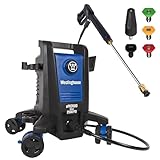
Understanding the function of various pressure washer nozzles is paramount to effectively and safely utilizing your pressure washing equipment. This guide will empower you to select the appropriate nozzle for any given task, optimizing cleaning performance and preventing damage to surfaces.
Before delving into specific applications, it’s crucial to grasp the fundamental characteristics of pressure washer nozzles. These small, often overlooked components are the orchestrators of your cleaning power, dictating the shape and intensity of the water jet.
Understanding Orifice Size and Angle
The two primary determinants of a nozzle’s performance are its orifice size and its spray angle. The orifice, the small opening through which the water exits, directly influences the pressure (PSI) at the nozzle tip. A smaller orifice restricts water flow, leading to higher pressure, while a larger orifice allows more water to pass through, resulting in lower pressure. Think of it like a garden hose: if you put your thumb over the end, the water sprays with more force because you’ve constricted the opening.
The spray angle, conversely, determines the width of the water’s impact zone. It is measured in degrees and typically inscribed on the nozzle itself. A narrow angle creates a concentrated, powerful stream, while a wider angle produces a broader, gentler spray. This is the difference between a laser beam and a floodlight – both emit light, but their spread and intensity vary dramatically.
The Universal Color-Coding System
To simplify nozzle identification and selection, a standardized color-coding system is universally adopted by pressure washer manufacturers. Each color corresponds to a specific spray angle, making it easy to quickly choose the correct nozzle for your task.
- Red Nozzle (0-degree): This is the most aggressive nozzle, producing a pinpoint, highly concentrated stream. It delivers maximum impact over a very small area.
- Yellow Nozzle (15-degree): Offering a narrow, fan-shaped spray, the yellow nozzle provides significant cleaning power over a slightly wider band than the red nozzle.
- Green Nozzle (25-degree): This is often considered a general-purpose cleaning nozzle, providing a broader, more moderate fan spray suitable for a variety of tasks.
- White Nozzle (40-degree): Delivering a wide, gentle spray, the white nozzle is ideal for lighter cleaning tasks and rinsing.
- Black Nozzle (65-degree or Soap Nozzle): This nozzle has the widest spray angle and a significantly larger orifice, resulting in very low pressure. It is specifically designed for applying detergents and chemicals.
Understanding this color-coding system is your initial compass for navigating the world of pressure washer nozzles.
If you’re looking to enhance your pressure washing knowledge further, you might find the article on choosing the right power washing equipment for your home particularly useful. It provides insights into selecting the best tools and techniques for various cleaning tasks, complementing the information on pressure washer nozzles explained in our guide. For more details, check out the article here.
Deciphering Your Cleaning Task: Matching Nozzles to Applications
With an understanding of nozzle fundamentals, the next step is to align your cleaning objective with the appropriate nozzle. This section will guide you through common pressure washing scenarios and recommend the optimal nozzle for each.
Aggressive Cleaning and Stripping Surfaces
When faced with stubborn grime, hardened deposits, or the need to strip paint or rust, you require a nozzle that delivers maximum impact.
- Red Nozzle (0-degree): This is your primary tool for highly localized, aggressive cleaning. Think of it as a surgical instrument for precise, forceful removal. Use it with extreme caution on durable surfaces like concrete, brick, or heavily soiled metal. Exercise particular care around mortar joints, as the intense stream can erode them. It is generally unsuitable for wood, painted surfaces, or delicate materials. Common applications include removing caked-on mud from construction equipment, cutting through thick grease, or precise spot cleaning of deeply embedded stains on concrete. However, its concentrated power also makes it a high-risk nozzle for inexperienced users, as it can easily etch surfaces or cause divots.
- Yellow Nozzle (15-degree): While still aggressive, the yellow nozzle provides a slightly broader cleaning path than the red. It’s an excellent choice for preparing surfaces, removing oxidation, or tackling areas with substantial dirt. Consider it a broader chisel compared to the red nozzle’s pointed awl. This nozzle is effective for removing paint layers, heavily embedded dirt on driveways, or tenacious mildew from concrete. It offers a balance between concentrated power and a slightly wider work area, reducing the risk of damage compared to the 0-degree nozzle while still providing substantial cleaning force. You can also use it for prepping surfaces for painting or sealing by removing loose debris and old finishes.
General Cleaning and Surface Preparation
For routine cleaning and preparation of a variety of surfaces, you’ll gravitate towards nozzles that offer a balance of power and coverage.
- Green Nozzle (25-degree): This is often considered the workhorse of pressure washing. Its moderate fan spray is versatile for cleaning decks, patios, siding, vehicles, and general outdoor surfaces. It removes dirt, grime, and light mildew without posing a significant risk of damage to most common materials. Think of it as your all-purpose spray bottle. It provides sufficient force to dislodge common contaminants while covering a reasonable area, making your cleaning process efficient. It’s a good starting point when you’re unsure which nozzle to use.
Gentle Cleaning and Rinsing
When cleaning delicate surfaces or simply rinsing away loose debris or detergent, you need a nozzle that minimizes impact.
- White Nozzle (40-degree): This nozzle provides a wide, gentle spray, making it ideal for delicate surfaces such as vehicles, windows, outdoor furniture, and painted surfaces where higher pressure could cause damage. It’s like a soft rain shower, effectively rinsing without harshness. It’s also excellent for quickly rinsing away soap and loosened dirt over a broad area. Use this nozzle when you need to be confident that you won’t gouge or strip away finishes. It’s also suitable for light dusting of outdoor items.
Applying Detergents and Chemicals
Effective pressure washing often involves the application of cleaning solutions. A specialized nozzle is designed for this purpose.
- Black Nozzle (65-degree or Soap Nozzle): This nozzle has the widest spray angle and a significantly larger orifice, drastically reducing the water pressure. This low-pressure output is crucial for activating your pressure washer’s detergent injector system (siphon tube or downstream injector) if your machine is so equipped. Without this low pressure, the injector system cannot draw in the cleaning solution. Think of it as opening a wide floodgate rather than a narrow dam – the flow is high, but the force is minimal. While some pressure washers have integrated soap tanks, the black nozzle is universally used to apply the cleaning solution at low pressure before high-pressure rinsing. Never attempt to apply detergent with a high-pressure nozzle, as it will likely damage the surface and will not effectively draw the soap.
Beyond the Basics: Specialized Nozzles and Accessories

While the color-coded nozzles cover the majority of cleaning tasks, the pressure washing market offers several specialized nozzles and accessories designed for unique challenges.
Turbo Nozzles (Rotary Nozzles)
A turbo nozzle, also known as a rotary nozzle or dirt blaster, takes the concentrated power of a 0-degree spray and rapidly rotates it in a conical pattern. This creates a scrubbing action over a wider area, offering the cleaning efficiency of a 0-degree nozzle with the coverage of a 25-degree nozzle. Imagine a hyperactive yellow nozzle, constantly moving its intense stream.
- Applications: Turbo nozzles are excellent for tackling extremely stubborn grime, caked-on mud, heavy mildew, oil stains on concrete, and preparing concrete surfaces for sealing.
- Considerations: While effective, turbo nozzles can be very aggressive. Do not use them on delicate surfaces, wood, painted surfaces, siding, or asphalt. They can cause significant damage if not used carefully on appropriate materials. Always test in an inconspicuous area first.
Surface Cleaners
Surface cleaners are not nozzles in the traditional sense, but rather attachments that incorporate multiple spinning nozzles beneath a protective shroud. These devices are designed for cleaning large, flat surfaces such as driveways, patios, and garage floors.
- Benefits: They provide consistent, streak-free cleaning over broad areas, making the job much faster and more uniform than using a standard fan nozzle. The shroud contains overspray, keeping the surrounding areas drier.
- Operation: A surface cleaner typically connects to your pressure washer wand and uses the water pressure to spin its internal nozzles.
- Applications: Ideal for concrete driveways, large patios, tennis courts, and other expansive hard surfaces. They significantly reduce the physical effort and time required for such tasks.
Drain Cleaning Nozzles
These specialized nozzles are designed to be inserted into pipes and drains to clear blockages. They typically feature forward-facing jets to help propel the nozzle down the pipe and backward-facing jets to scour the pipe walls and pull the hose through the drain.
- Function: They use the high-pressure water to break up clogs like grease, soap buildup, and roots.
- Applications: Clearing clogged drainpipes, sewer lines, and downspouts.
- Safety: Always wear appropriate personal protective equipment (PPE) when working with drain cleaning nozzles due to the potential for backsplash and contaminated water.
Safety Protocols and Best Practices

Regardless of the nozzle you select, adherence to safety protocols is non-negotiable. Pressure washers are powerful tools that, if misused, can cause significant injury or property damage.
Personal Protective Equipment (PPE)
Your personal safety should always be your top priority.
- Eye Protection: Always wear safety glasses or goggles to shield your eyes from debris, backsplash, and the high-pressure stream itself. A single stray piece of gravel propelled at high velocity can cause permanent eye damage.
- Hand Protection: Wear sturdy work gloves to improve grip, protect your hands from abrasions, and reduce vibrations from the pressure washer.
- Foot Protection: Closed-toe shoes, preferably steel-toed boots, are essential. The force of a pressure washer stream can easily penetrate soft shoes and cause serious foot injuries.
- Hearing Protection: For extended use, especially with gas-powered models, consider earplugs or earmuffs to prevent hearing damage from engine noise.
General Operating Principles
Beyond PPE, certain operating principles will contribute to a safe and effective cleaning experience.
- Start with the Widest Angle: If you are unsure which nozzle to use, always begin with the widest angle (e.g., green 25-degree or even white 40-degree) and the furthest distance from the surface. Gradually decrease the angle or move closer only if necessary to achieve the desired cleaning result, carefully observing the surface for any signs of damage. This cautious approach acts as a gentle exploratory probe before deploying more aggressive tactics.
- Maintain Distance: Never hold the nozzle too close to the cleaning surface, especially with high-pressure nozzles. The closer you get, the more concentrated and powerful the stream becomes, increasing the risk of damage. Maintain a distance of at least 6-12 inches as a general starting point, adjusting as needed.
- Consistent Motion: Use smooth, overlapping passes to ensure even cleaning and prevent streaking or “zebra stripes” on surfaces. Avoid dwelling in one spot for too long, as this concentrates the pressure and can lead to damage. Think of it like painting a wall – steady, even strokes yield the best results.
- Test in an Inconspicuous Area: Before pressure washing an entire surface, always test your chosen nozzle and pressure settings in a small, hidden area. This allows you to assess the impact and ensure it won’t cause discoloration, gouging, or other damage.
- Watch for Kickback: When engaging the trigger, be prepared for a certain amount of kickback, especially with higher-pressure machines and narrower nozzles. Maintain a firm grip on the wand to prevent losing control.
- Keep Others Away: Ensure children, pets, and bystanders are kept at a safe distance from the operating area. The high-pressure stream can cause severe injuries.
- Never Point at People or Animals: The pressure washer stream is not a toy. Never direct it towards anyone, as it can cause serious flesh wounds, cuts, and even internal injuries.
- Read Your Manual: Each pressure washer has specific operating instructions and safety precautions. Always consult your equipment’s user manual for detailed guidance.
Understanding the different pressure washer nozzles, such as the 0°, 15°, 25°, and 40°, is essential for achieving optimal cleaning results, and for those looking to maintain their equipment, it’s also important to consider seasonal care. For instance, as winter approaches, preparing your electric pressure washer can help prolong its lifespan and ensure it operates efficiently when you need it. You can read more about this crucial maintenance in the article on how to prepare your electric pressure washer for winter.
Maintenance and Storage of Nozzles
| Nozzle Angle | Spray Pattern | Pressure Intensity | Best Use Cases | Notes |
|---|---|---|---|---|
| 0° | Pinpoint jet | Highest pressure | Removing tough stains, paint stripping, heavy-duty cleaning | Use with caution to avoid surface damage |
| 15° | Narrow fan | High pressure | Removing dirt, grease, and mildew from hard surfaces | Effective for concrete, brick, and metal surfaces |
| 25° | Medium fan | Moderate pressure | General cleaning of decks, patios, vehicles, and siding | Good balance between pressure and coverage |
| 40° | Wide fan | Lower pressure | Light cleaning, rinsing, and delicate surfaces | Safe for windows, plants, and painted surfaces |
Proper care and storage of your pressure washer nozzles contribute to their longevity and consistent performance.
Regular Cleaning and Inspection
Nozzles can become clogged with mineral deposits, dirt, or debris from your water source, impacting their spray pattern and pressure.
- Clean Orifices: Periodically inspect the nozzle orifices for blockages. Many pressure washers come with a small wire tool or needle for clearing obstructions. Gently insert the tool into the orifice to dislodge any debris.
- Flush After Use: After each use, flush the pressure washer system with clean water for a few minutes to clear any remaining detergent or debris from the lines and nozzles.
- Check for Wear: Over time, the internal components and orifices of nozzles can wear down, leading to an inconsistent spray pattern or reduced pressure. If a nozzle is no longer producing a clean, effective spray, it may be time for a replacement.
Proper Storage
Storing your nozzles correctly prevents loss and damage.
- Nozzle Holders: Most pressure washers include onboard storage for nozzles. Utilize these holders to keep your nozzles organized and protected.
- Clean and Dry: Ensure nozzles are clean and dry before storing them to prevent corrosion.
- Separate from Chemicals: If storing with other pressure washing accessories, ensure any chemical-filled bottles are sealed to prevent accidental leaks over your nozzles.
By diligently following these guidelines, you will not only extend the life of your nozzles but also ensure that your pressure washer consistently delivers optimal cleaning results. Choosing the right nozzle is not merely a matter of convenience; it is a critical aspect of effective and safe pressure washing, transforming your powerful machine from a potentially indiscriminate bludgeon into a precise and versatile cleaning instrument.




Leave a Reply