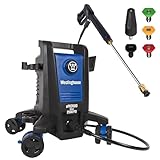
A chemical injector is an essential accessory for pressure washers, designed to enhance the cleaning capabilities of these powerful machines. It functions by mixing cleaning solutions or chemicals with water before the mixture is expelled through the pressure washer’s nozzle. This process allows for a more effective cleaning experience, particularly when dealing with tough stains, grime, or contaminants that regular water pressure alone may not effectively remove.
The injector operates on the principle of siphoning, where the pressure created by the washer draws the cleaning solution from a separate container into the water stream. Chemical injectors come in various designs and configurations, but they generally consist of a few key components: a siphon tube, a nozzle, and a valve. The siphon tube is submerged in the cleaning solution, while the nozzle is connected to the pressure washer’s high-pressure hose.
When the pressure washer is activated, water flows through the nozzle, creating a vacuum that pulls the cleaning solution into the water stream. This mixture is then sprayed onto surfaces, allowing for a more thorough and efficient cleaning process. The versatility of chemical injectors makes them suitable for a wide range of applications, from residential cleaning tasks to industrial maintenance.
Key Takeaways
- A chemical injector allows precise application of cleaning solutions through a pressure washer.
- Using a chemical injector enhances cleaning efficiency and saves time and detergent.
- Various types of chemical injectors exist, including downstream and upstream models.
- Proper installation and regular maintenance are essential for optimal injector performance.
- Safety measures and correct chemical selection are crucial to protect users and surfaces.
Benefits of Using a Chemical Injector
The use of a chemical injector significantly enhances the effectiveness of pressure washing by allowing users to apply specialized cleaning agents tailored to specific tasks. One of the primary benefits is the ability to tackle stubborn stains and contaminants that would otherwise require extensive scrubbing or multiple passes with plain water. For instance, when cleaning driveways or patios, a chemical injector can introduce degreasers or mold removers that break down tough substances like oil spills or mildew, making it easier to wash them away.
Another advantage of using a chemical injector is the time and labor savings it provides. By combining the power of high-pressure water with effective cleaning solutions, users can achieve better results in less time. This efficiency is particularly beneficial for commercial applications where time is money.
For example, professional cleaning services can complete jobs more quickly and effectively by utilizing chemical injectors, leading to increased customer satisfaction and potentially higher profits. Additionally, many cleaning chemicals are designed to work synergistically with pressure washing, enhancing their effectiveness and reducing the need for manual labor.
Different Types of Chemical Injectors

Chemical injectors can be categorized into several types based on their design and functionality. The most common types include downstream injectors, upstream injectors, and proportioners. Downstream injectors are widely favored due to their ease of use and effectiveness.
They work by injecting the cleaning solution after the pump, which means that the chemicals are not subjected to high pressure. This design minimizes wear on the injector and allows for a broader range of chemicals to be used without damaging the equipment. Upstream injectors, on the other hand, introduce chemicals before they reach the pump.
While this method can be effective for certain applications, it requires careful selection of chemicals to avoid damaging the pressure washer’s internal components. Upstream injectors are typically used in situations where high-pressure application is necessary for effective cleaning. Proportioners are another type of injector that allows users to mix specific ratios of water and chemicals automatically.
This feature is particularly useful for maintaining consistent cleaning results across various applications.
How to Install a Chemical Injector
Installing a chemical injector on a pressure washer is a straightforward process that can typically be completed in a matter of minutes. The first step involves gathering all necessary tools and materials, including the injector itself, appropriate hoses, and any required fittings. Before beginning installation, it’s crucial to ensure that the pressure washer is turned off and disconnected from any power source to prevent accidents.
To install a downstream injector, users should first locate the high-pressure hose that connects to the spray gun. The injector will be placed in line with this hose. Most injectors come with fittings that allow them to be easily attached to existing hoses.
Once connected, users should attach a siphon tube to the injector and place the other end into the container holding the cleaning solution. It’s important to ensure that all connections are secure to prevent leaks during operation. After installation, users should test the system by running water through it without engaging the pressure washer to check for any leaks or issues before applying chemicals.
Choosing the Right Chemical for Your Pressure Washer
| Metric | Description | Typical Range/Value | Unit |
|---|---|---|---|
| Injection Ratio | Ratio of water to chemical injected | 10:1 to 100:1 | Ratio |
| Flow Rate | Amount of water passing through the injector | 1.5 to 5 | Gallons per minute (GPM) |
| Operating Pressure | Pressure at which the injector operates effectively | 1000 to 4000 | PSI (pounds per square inch) |
| Chemical Compatibility | Types of chemicals that can be safely injected | Detergents, degreasers, disinfectants | — |
| Material | Construction material of the injector | Brass, stainless steel, plastic | — |
| Connection Size | Size of inlet/outlet fittings | 1/4″, 3/8″, 1/2″ | Inches |
| Adjustability | Ability to adjust chemical injection rate | Yes/No | — |
| Weight | Weight of the chemical injector unit | 0.5 to 2 | Pounds |
Selecting the appropriate chemical for use with a pressure washer is critical for achieving optimal cleaning results while also protecting both surfaces and equipment. Different cleaning tasks require different types of chemicals; for example, when dealing with mold or mildew on outdoor surfaces, a specialized mold remover or bleach solution may be necessary. Conversely, when cleaning vehicles or delicate surfaces, pH-neutral car wash soaps are recommended to avoid damage.
It’s also essential to consider compatibility with the pressure washer itself. Some chemicals can be corrosive or damaging to certain materials used in pressure washers, particularly if they are injected upstream.
Additionally, many manufacturers provide their own line of compatible cleaning solutions specifically formulated for use with their equipment.
Maintenance and Care for Your Chemical Injector

Proper maintenance of a chemical injector is vital for ensuring its longevity and performance. After each use, it’s important to flush out any remaining cleaning solution from the injector and hoses with clean water. This step helps prevent clogs and buildup that can occur if chemicals are left sitting in the system for extended periods.
Users should run clean water through the injector until it runs clear, ensuring that no residual chemicals remain. Regular inspections of the injector components are also necessary to identify any signs of wear or damage. Users should check hoses for cracks or leaks and ensure that all fittings are secure.
If any parts appear worn or damaged, they should be replaced promptly to avoid further issues during operation. Additionally, storing the chemical injector in a dry place away from extreme temperatures can help prolong its lifespan and maintain its functionality.
Safety Precautions When Using a Chemical Injector
Safety should always be a top priority when using a chemical injector with a pressure washer. Many cleaning chemicals can be hazardous if not handled properly; therefore, users should always wear appropriate personal protective equipment (PPE), including gloves, goggles, and masks if necessary. This protective gear helps shield against potential splashes or inhalation of fumes from concentrated chemicals.
Before using any chemical solution, it’s crucial to read labels carefully and follow all manufacturer instructions regarding dilution ratios and application methods. Some chemicals may require specific handling procedures or may not be suitable for certain surfaces; understanding these guidelines can prevent accidents and damage. Additionally, users should ensure that they are working in well-ventilated areas when using strong chemicals to minimize inhalation risks.
Tips for Maximizing the Cleaning Power of Your Pressure Washer with a Chemical Injector
To maximize the effectiveness of a pressure washer when using a chemical injector, several strategies can be employed. First and foremost, selecting the right nozzle size is essential; different nozzles produce varying spray patterns and pressures that can significantly impact cleaning efficiency. For instance, using a wider spray pattern may be more effective for applying chemicals evenly over large surfaces.
After applying a chemical solution through the injector, allowing it to dwell on surfaces for a specified period can enhance its effectiveness by giving it time to break down dirt and grime before rinsing with high-pressure water. Users should always refer to product instructions regarding dwell times for best results.
Furthermore, adjusting the pressure settings on the washer can help tailor the cleaning process based on surface type and level of contamination. For delicate surfaces like wood or painted areas, lower pressure settings combined with effective chemical solutions can yield excellent results without causing damage. Conversely, tougher surfaces may require higher pressures along with potent cleaning agents for thorough cleansing.
By understanding how to effectively utilize a chemical injector alongside their pressure washer, users can achieve superior cleaning outcomes while extending the life of both their equipment and surfaces being cleaned.
If you’re looking to enhance the cleaning power of your pressure washer, understanding the role of a chemical injector is essential. A chemical injector allows you to mix detergents and cleaning solutions with water, making it easier to tackle tough stains and grime. For more insights on how to choose the right pressure washer for your needs, you might find this article helpful: Electric Pressure Washers for Women: Your Best Friend.




Leave a Reply