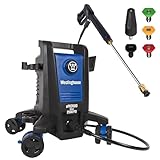
Starting a pressure washing business in the United States can be a rewarding venture, offering a tangible service with consistent demand. This guide aims to equip you with the foundational knowledge and practical steps necessary to launch and operate a successful pressure washing operation. From understanding the market to securing clients, each phase requires careful consideration and strategic planning.
Before you acquire your first piece of equipment, comprehending your operating environment is paramount. This phase is akin to scouting the terrain before embarking on a journey; you need to know what you’re getting into.
Identifying Your Target Market
The bread and butter of pressure washing lies in cleaning various surfaces for residential and commercial properties. Your initial research should focus on identifying which segments you intend to serve.
Residential Cleaning Needs
Homeowners commonly require cleaning for:
- Driveways and Walkways: Concrete surfaces are prone to oil stains, mold, and mildew.
- Patios and Decks: Wood and composite materials can degrade and become unsightly without regular maintenance.
- Siding: Vinyl, brick, and stucco exteriors accumulate dirt, pollen, and algae.
- Roofs: Moss, algae, and debris can compromise a roof’s integrity and appearance.
- Fences: Wooden fences, in particular, can become weathered and discolored.
The demand for these services is often seasonal, peaking in spring and summer. Understanding local demographics, homeownership rates, and average income levels can provide insights into the potential volume and pricing strategies for residential services.
Commercial Cleaning Demands
Businesses also present significant opportunities. Consider these areas:
- Building Exteriors: Retail storefronts, office buildings, and industrial facilities require periodic cleaning to maintain curb appeal and hygiene.
- Parking Lots and Garages: Oil stains, tire marks, and general grime are common issues.
- Fleet Vehicles: Delivery trucks, buses, and company cars can benefit from regular cleaning.
- Dumpster Pads: Hygiene and odor control are critical for these areas.
- Restaurant Patios and Walk-in Entrances: These areas are heavily trafficked and prone to spills and debris.
Commercial clients often seek more specialized services, such as soft washing for delicate surfaces or hot water pressure washing for stubborn grease and oil. Establishing reliability and professionalism is key to securing contracts with businesses.
Competitive Analysis
You are not the only one with an eye on this industry. Understanding your competitors is crucial for positioning yourself effectively.
Identifying Local Competitors
Search for existing pressure washing businesses in your intended service area. Investigate their online presence, pricing structures, service offerings, and customer reviews. Are they a one-man operation, or a larger, established company? This will inform your differentiation strategy.
Assessing Strengths and Weaknesses
Analyze what your competitors do well and where they fall short. Do they offer specialized services you don’t? Do they have a strong online reputation, or are they plagued by negative feedback? This analysis will help you identify gaps in the market that you can fill. For instance, if competitors are known for slow response times, you can position yourself as offering prompt service.
Legal and Regulatory Considerations
Operating a business, even one involving relatively straightforward services, requires adherence to legal frameworks. Ignoring these can lead to costly penalties and operational disruptions.
Business Licensing and Registration
You will need to register your business name and obtain the necessary federal, state, and local licenses and permits. This process varies by state and municipality. Common requirements include:
- Employer Identification Number (EIN): A federal tax ID number for your business.
- State Business License: Registration with your state’s Secretary of State.
- Local Business Permits: Specific licenses required by your city or county.
- Sales Tax Permit: If you will be collecting sales tax on your services.
Consult with your local Small Business Administration (SBA) office or a business attorney for precise guidance.
Insurance for Your Business
Insurance is not an optional extra; it’s a non-negotiable shield. You will need to cover potential liabilities that could arise from your operations.
- General Liability Insurance: Covers damages to third-party property or injuries to individuals caused by your business operations. For example, if your pressure washer inadvertently damages a client’s siding.
- Workers’ Compensation Insurance: If you plan to hire employees, this insurance is mandatory in most states and covers medical expenses and lost wages for employees injured on the job.
- Commercial Auto Insurance: If you use a vehicle for your business, this is essential.
Obtain quotes from multiple insurance providers specializing in small businesses to ensure you are adequately covered at a competitive price.
If you’re considering starting a pressure washing business in the USA, you might find it beneficial to explore additional resources that can enhance your knowledge and skills. One such article is “Revitalize Your Pavers: Pressure Wash How-To,” which provides valuable insights into effectively cleaning and maintaining outdoor surfaces. This can be particularly useful for beginners looking to expand their service offerings. You can read the article here: Revitalize Your Pavers: Pressure Wash How-To.
Equipping Your Operation: Tools, Equipment, and Supplies
The right tools are the backbone of any trade. In pressure washing, investing in quality equipment will translate directly into efficiency, professionalism, and ultimately, client satisfaction. Think of your equipment as the muscles and nerves of your business.
Essential Pressure Washing Equipment
The core of your operation revolves around the pressure washer itself. However, several accessories are equally important for optimal performance and versatility.
Pressure Washers: Choosing the Right Machine
Pressure washers are categorized by their power, measured in pounds per square inch (PSI) and gallons per minute (GPM).
- PSI (Pounds per Square Inch): This indicates the force with which the water is expelled. Higher PSI is good for stubborn grime on hard surfaces like concrete.
- GPM (Gallons Per Minute): This measures the volume of water delivered. Higher GPM means faster cleaning.
For a residential and light commercial focus, a unit ranging from 2,000 to 3,000 PSI with 2 to 4 GPM is often sufficient. For more demanding commercial work, you might consider higher-end units.
- Electric vs. Gas-Powered:
- Electric: Generally less powerful, quieter, and more affordable. Suitable for lighter residential tasks and where portability is key. They require access to an electrical outlet.
- Gas-Powered: More powerful, versatile, and portable (no need for an outlet). They are the standard for professional services and can handle a wider range of cleaning tasks.
Water Tanks and Hoses
- Water Tanks: If you cannot guarantee adequate water supply at every job site, a portable water tank (e.g., a bulk water tank trailer or a rigid tank) becomes indispensable. This ensures you’re not dependent on a client’s spigot and can manage your water usage efficiently.
- Hoses: High-pressure hoses are critical. Ensure you have the correct length to reach different areas of a property without constant repositioning. Consider hose wraps or reels to keep them organized and prevent damage.
Nozzles and Surface Cleaners
- Nozzles: These attachments control the spray pattern and intensity. Common nozzle types include:
- 0-degree (Red): A concentrated, high-impact stream. Use with extreme caution, as it can easily damage surfaces.
- 15-degree (Yellow): A wider, fan-shaped spray for general cleaning.
- 25-degree (Green): A broader fan for rinsing and lighter cleaning.
- 40-degree (White): The widest fan, ideal for rinsing and delicate surfaces.
- Soap Nozzle (Black): Low pressure, designed for applying detergent.
- Surface Cleaners: These attachments, often referred to as rotary surface cleaners, are circular units that attach to your pressure washer wand. They provide a consistent, streak-free clean over large, flat surfaces like driveways, patios, and decks, significantly increasing efficiency.
Detergents and Cleaning Solutions
While pressure alone can remove loose dirt, detergents are often necessary to break down stubborn stains like grease, oil, mold, and mildew.
Types of Detergents
- All-Purpose Cleaners: Suitable for general grime and light stains.
- Degreasers: Specifically formulated to break down oil and grease.
- Mold and Mildew Removers: Contain bleach or other agents to kill and remove biological growth.
- Wood Cleaners and Brighteners: For restoring the appearance of weathered wood.
Always use biodegradable and environmentally friendly cleaning solutions when possible. Research the specific needs of different surfaces to select the most appropriate and effective cleaning agent.
Application Methods
- Downstream Injectors: These devices draw detergent into the high-pressure stream.
- Chemical Injectors: Similar to downstream injectors but can sometimes offer more control.
- Foam Cannons: These create a thick foam that adheres to surfaces, allowing the detergent to dwell and work more effectively before rinsing.
Always follow manufacturer instructions for dilution ratios and application techniques to avoid damaging surfaces or the environment.
Safety Equipment: A Non-Negotiable Investment
Pressure washing involves high-pressure water streams and potentially hazardous chemicals. Your safety, and that of your team, is paramount. This equipment is your protective armor.
- Safety Glasses or Goggles: Essential to protect your eyes from water, debris, and chemical splashes.
- Gloves: Chemical-resistant gloves are necessary when handling detergents.
- Hearing Protection: Pressure washers can be loud; earplugs or ear defenders will prevent hearing damage.
- Protective Footwear: Slip-resistant boots with steel toes are recommended.
- Face Shields: Particularly useful when working with strong chemicals or at higher pressures.
- Respirators: If working with strong chemicals or in areas with poor ventilation, a respirator might be necessary.
Building Your Business Foundation: Legalities and Operations

Once you have your equipment ready, it’s time to solidify the operational framework of your business. This phase is about establishing credibility and ensuring smooth day-to-day management.
Legal Structure and Registration
Your business structure dictates how you are taxed and holds you liable. This is the skeleton upon which your business is built.
Sole Proprietorship
The simplest structure, where you and your business are one legal entity. Easy to set up, but offers no personal liability protection.
Partnership
Similar to a sole proprietorship but involves two or more individuals. Liability is shared.
Limited Liability Company (LLC)
A popular choice for small businesses, an LLC separates your personal assets from your business debts and liabilities. It offers liability protection and pass-through taxation.
S-Corporation or C-Corporation
More complex structures typically used for larger businesses, offering additional tax advantages and liability protection.
Consult with an accountant or legal professional to determine the best structure for your situation.
Setting Up Business Finances
Sound financial management is the lifeblood of any company. Without it, even the most promising venture will falter.
Business Bank Account
It is crucial to keep your business finances separate from your personal finances. Open a dedicated business checking account. This simplifies bookkeeping, makes tax preparation easier, and enhances your professional image.
Bookkeeping and Accounting Software
Accurate record-keeping is vital for tracking income, expenses, and profitability. Implement a system for managing your finances from day one.
- Spreadsheets: For very basic operations, a well-maintained spreadsheet can suffice initially.
- Accounting Software: Programs like QuickBooks, Xero, or Wave offer streamlined solutions for invoicing, expense tracking, and financial reporting.
Pricing Your Services
Determining your pricing strategy is a delicate balance between being competitive and ensuring profitability.
- Hourly Rate: Charge a set rate per hour. This can be straightforward but tricky if your efficiency varies or unexpected issues arise prolonging the job.
- Per Square Foot: Calculate the area to be cleaned and charge a rate per square foot. This is common for large surfaces like driveways and patios.
- Flat Rate: Provide a fixed quote for the entire job. This is often preferred by clients for predictability. You’ll need to accurately estimate your time and material costs.
Consider the following factors when setting your prices:
- Your costs: Equipment depreciation, insurance, fuel, cleaning solutions, labor.
- Competitor pricing: What are others charging for similar services?
- Market demand: Is there high demand in your area?
- Perceived value: What is the benefit to the client?
Developing Standard Operating Procedures (SOPs)
Consistency and efficiency are key to professionalism and client satisfaction. SOPs are your playbooks for predictable results.
Pre-Job Site Assessment
Before starting any cleaning, conduct a thorough assessment of the property.
- Identify Surfaces: What materials need to be cleaned?
- Assess Stains and Grime: What type of cleaning solutions will be needed?
- Check for Delicate Areas: Are there plants, electrical outlets, or uneven surfaces that require special care?
- Water Source and Pressure: Confirm availability and adequacy.
Cleaning Process Protocols
Standardize your cleaning methods for different tasks.
- Surface Preparation: Pre-rinse, apply detergents, dwell times.
- Washing Techniques: Techniques for different surfaces to avoid damage.
- Rinsing Procedures: Thorough rinsing to remove all residue.
- Post-Cleaning Inspection: Ensure complete satisfaction.
Post-Job Procedures
- Site Cleanup: Remove all equipment and debris.
- Client Walk-through: Present the cleaned area to the client for approval.
- Invoicing and Payment Collection: Prompt and professional billing.
Marketing Your Pressure Washing Business: Reaching Your Customers

Having a great service is only half the battle; people need to know you exist. Effective marketing is the bridge between your service and satisfied customers.
Building an Online Presence
In today’s digital age, a strong online presence is crucial for visibility and credibility. This is how potential clients will find you when they search for solutions.
Website Development
A professional website serves as your digital storefront. It should include:
- Services Offered: Clearly list your residential and commercial services.
- Service Area: Specify the geographic regions you cover.
- Gallery of Work: Showcase before-and-after photos of your completed projects.
- Testimonials and Reviews: Social proof builds trust.
- Contact Information: Easy-to-find phone number, email, and a contact form.
- About Us Page: Share your story and build a connection.
Search Engine Optimization (SEO)
Optimize your website to rank higher in search engine results for relevant keywords such as “pressure washing [your city]” or “driveway cleaning [your town].”
- Keyword Research: Identify terms potential clients are using.
- On-Page Optimization: Incorporate keywords into your website content, meta descriptions, and image alt text.
- Local SEO: Claim your Google My Business profile and ensure your business information is consistent across online directories.
Social Media Marketing
Platforms like Facebook and Instagram can be powerful tools for visual businesses like pressure washing.
- Share Before-and-After Photos/Videos: Demonstrate the transformative power of your services.
- Run Targeted Ad Campaigns: Reach specific demographics in your service area.
- Engage with Your Audience: Respond to comments and messages promptly.
Local Marketing Strategies
Don’t overlook the power of connecting with your local community. These are often your most loyal customers.
Local Directories and Listings
Ensure your business is listed in online directories such as Yelp, Yellow Pages, and Angie’s List.
Flyers and Door Hangers
Distribute professional flyers or door hangers in target neighborhoods. Consider offering an introductory discount.
Partnerships with Related Businesses
Collaborate with complementary businesses like landscapers, real estate agents, or painters. They can refer clients to you in exchange for reciprocal referrals.
Networking Events
Attend local chamber of commerce meetings or other business networking events to make connections and build relationships.
Customer Relationship Management (CRM)
Nurturing existing customer relationships is often more cost-effective than acquiring new ones.
Email Marketing
Build an email list and send out newsletters with cleaning tips, seasonal offers, or reminders for routine maintenance.
Loyalty Programs
Incentivize repeat business with discounts for returning customers or referral bonuses.
Excellent Customer Service
This is the cornerstone of positive word-of-mouth marketing. Prompt communication, professional conduct, and exceeding expectations will turn satisfied clients into enthusiastic advocates for your business.
If you’re considering starting a pressure washing business in the USA, it’s essential to understand not only the basics of the industry but also the various services you can offer to your clients. One such service that can greatly enhance your offerings is roof cleaning, which can significantly improve the appearance and longevity of a home. For more insights on this specific service, you might find it helpful to read about how to revitalize roofs through pressure washing in this informative article here. This knowledge can set you apart from your competitors and attract more customers to your new venture.
Maintaining and Growing Your Pressure Washing Business
| Step | Description | Estimated Cost | Time Required | Key Tips |
|---|---|---|---|---|
| 1. Research & Planning | Understand the market, competition, and target customers. | 0 | 1-2 weeks | Focus on local demand and niche services. |
| 2. Obtain Licenses & Permits | Register your business and get necessary permits. | 100-500 | 1-4 weeks | Check state and local regulations carefully. |
| 3. Purchase Equipment | Buy pressure washers, hoses, nozzles, and safety gear. | 1500-5000 | 1 week | Invest in reliable and commercial-grade equipment. |
| 4. Insurance | Get liability and equipment insurance. | 500-1500 annually | 1 week | Protect your business and clients. |
| 5. Marketing & Branding | Create a website, business cards, and advertise locally. | 200-1000 | 2-4 weeks | Use social media and local SEO strategies. |
| 6. Pricing Your Services | Set competitive rates based on market research. | 0 | 1 week | Consider hourly rates or per-project pricing. |
| 7. Start Operations | Begin offering services and building customer base. | Variable | Ongoing | Focus on quality and customer satisfaction. |
Launching your business is just the beginning; sustained growth requires ongoing attention and strategic adaptation. This is about ensuring the longevity and increasing the reach of your operation.
Equipment Maintenance and Upkeep
Your tools are your livelihood. Diligent maintenance ensures they perform optimally and prolongs their lifespan. This is akin to tending to a garden; consistent care yields a bountiful harvest.
Regular Cleaning and Inspections
After each use, clean your pressure washer, hoses, and nozzles. Inspect for any signs of wear or damage.
Fluid Checks and Replacements
Regularly check and, if necessary, replace oil and fuel in gas-powered pressure washers.
Filter Maintenance
Clean or replace air, fuel, and water filters as per the manufacturer’s recommendations.
Seasonal Storage
If you operate in an area with harsh winters, ensure your equipment is properly winterized to prevent freeze damage. This typically involves draining all water and running antifreeze through the system.
Investing in Training and Skill Development
The pressure washing industry is not static. New techniques and technologies emerge. Continuous learning keeps you competitive.
Advanced Cleaning Techniques
Explore specialized training for areas like roof cleaning (soft washing), delicate surface cleaning, or industrial cleaning.
Chemical Safety and Handling Workshops
Stay updated on best practices for handling cleaning chemicals safely and effectively.
Business Management Training
Continuously improve your skills in areas like marketing, sales, and customer service.
Scaling Your Operations
As demand grows, you may need to consider expanding your capabilities. This is where you transition from a hobbyist to a true enterprise.
Hiring Employees
When you are consistently booked and require assistance, consider hiring and training reliable employees. Ensure you have the necessary legal and HR infrastructure in place.
Expanding Your Service Area
Once established in your initial market, explore opportunities to serve adjacent towns or cities.
Adding New Services
Consider offering complementary services such as gutter cleaning, window washing, or sealing and coating for driveways and decks. This diversification can provide additional revenue streams and attract a broader customer base.
Staying Ahead of Trends and Regulations
The industry landscape can shift. Staying informed is crucial for long-term success.
Environmental Regulations
Be aware of any evolving environmental regulations regarding water runoff, detergent usage, and waste disposal in your area.
Technology Advancements
Keep an eye on new equipment, cleaning solutions, and software that can improve efficiency and service quality.
By diligently following these steps, you can build a robust and profitable pressure washing business. Remember, success is a marathon, not a sprint, and requires consistent effort, dedication, and a commitment to providing exceptional service.




Leave a Reply